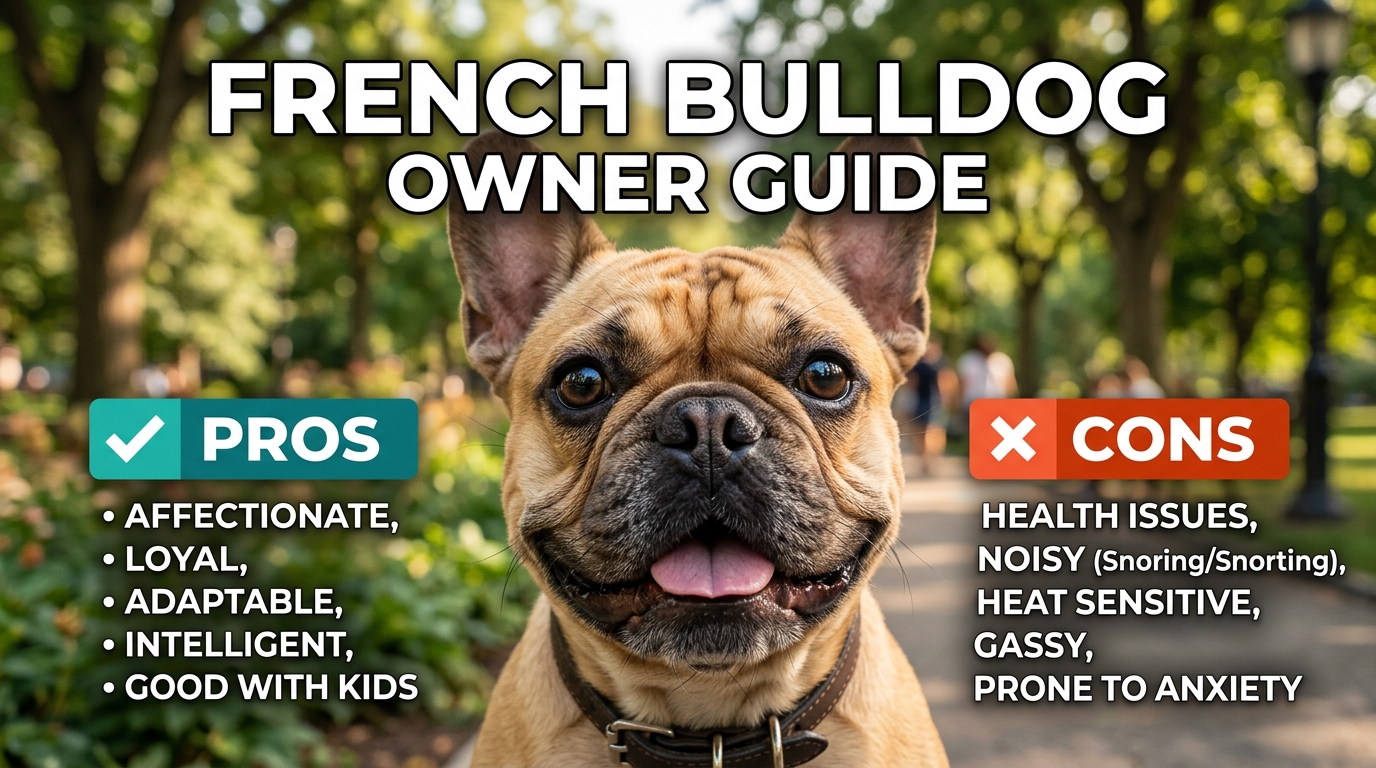
If you’re wondering, “Is a French Bulldog a good pet?”, you’re certainly not alone. French Bulldogs, commonly known as Frenchies, have become one of the most beloved and popular dog breeds worldwide. Their distinctive bat-like ears, expressive faces, affectionate nature, and compact size make them an attractive choice for many dog lovers. Whether you’re a first-time pet owner, a busy professional, a family with children, or someone living in an apartment, a French Bulldog may seem like the perfect companion.
One of the biggest reasons for their popularity is their friendly and adaptable personality. French Bulldogs are known for being loving, loyal, and people-oriented dogs. They enjoy spending time with their owners and often form strong bonds with family members. Unlike some high-energy breeds, Frenchies are relatively low-maintenance when it comes to exercise. Short daily walks and indoor play sessions are usually enough to keep them happy and healthy, making them ideal for people with limited outdoor space.
French Bulldogs are also known for their playful and entertaining nature. They have a unique sense of humor and often delight their owners with their funny expressions and quirky behaviors. Their calm temperament generally allows them to get along well with children, seniors, and even other pets when properly socialized. Because they are not excessive barkers, they can be a good choice for apartment living and urban environments.
However, owning a French Bulldog also comes with important responsibilities and challenges. Due to their flat-faced (brachycephalic) structure, Frenchies can experience breathing difficulties, especially in hot weather or during intense physical activity. They are sensitive to heat and can easily overheat, which means owners must be careful during warm seasons. Additionally, French Bulldogs are prone to certain health conditions, including skin allergies, hip problems, spinal disorders, and eye issues. Veterinary care can sometimes be more expensive compared to other breeds because of these potential health concerns.
Another factor to consider is their strong attachment to their owners. French Bulldogs thrive on companionship and do not enjoy being left alone for long periods. If they become lonely or bored, they may develop separation anxiety or destructive behaviors. Prospective owners should ensure they have enough time to provide attention, affection, and interaction throughout the day.
Before bringing a French Bulldog into your home, it’s important to carefully evaluate both the advantages and disadvantages of the breed. While their affectionate personality, adaptability, and charming appearance make them wonderful companions, their health needs, grooming requirements, and potential medical expenses should not be overlooked.
Ultimately, a French Bulldog can be an excellent pet for the right owner. If you’re looking for a loyal, loving, and entertaining companion and are prepared to meet their specific care requirements, a Frenchie may be the perfect addition to your family. Understanding their temperament, lifestyle needs, and potential health challenges will help you make an informed decision and provide your dog with a happy, healthy life.
French Bulldog Temperament and Personality
French Bulldogs are widely loved because of their warm, affectionate, and easygoing nature. When people talk about the French Bulldog temperament and personality, they often highlight how emotionally connected these dogs are to their owners. Frenchies are not just pets that live in your home—they actively seek companionship and enjoy being involved in daily family life. They often follow their owners from room to room and prefer being close rather than spending long periods alone.
One of their most appealing traits is their deep affection. French Bulldogs are known for being very loving and expressive, often showing their attachment through cuddling, sitting on laps, or simply staying near their owners. They form strong emotional bonds and are happiest when they feel included and cared for.
In family settings, Frenchies are generally gentle and patient, which makes them a good match for households with children. They tend to enjoy playful interaction but are usually not rough or overly hyper, which reduces the risk of accidental rough play with kids. Their calm and friendly behavior also helps them adjust well to family routines.
Another positive aspect of their personality is how well they usually get along with other pets. With proper socialization, French Bulldogs can live peacefully with other dogs and even cats. They are typically not aggressive or territorial, which makes them easier to integrate into multi-pet homes.
French Bulldogs are also highly adaptable dogs. Whether you live in a small apartment in the city or a larger house, they can adjust quite well as long as they receive enough attention and care. They do not require large outdoor spaces and are satisfied with moderate indoor activity and short walks.
Although they enjoy playtime, French Bulldogs are not overly energetic or demanding. Their activity level is moderate, meaning they are playful in short bursts but also enjoy relaxing and resting for most of the day. This balanced energy level makes them especially suitable for people who prefer a calmer, low-maintenance companion dog.
Overall, these qualities—affection, gentleness, adaptability, and moderate energy—are the main reasons why French Bulldogs are often considered one of the best small dog breeds for companionship and family life.
Are French Bulldogs Good Family Dogs?
A common question among people considering this breed is, “Are French Bulldogs good family dogs?” In most situations, the answer is yes—French Bulldogs are widely regarded as excellent family companions, especially for households looking for a gentle, affectionate, and manageable pet.
French Bulldogs tend to form very strong emotional bonds with their family members. They enjoy being included in daily activities and often develop a special attachment to their owners, preferring to stay close rather than being left alone for long periods. This loyal and people-focused nature makes them feel like a true part of the family rather than just a pet.
When it comes to children, French Bulldogs usually do very well in family environments, particularly when they are properly socialized from a young age. They are generally patient, tolerant, and calm, which helps them adapt to the sometimes energetic behavior of kids. While they enjoy playing, they are not overly rough or highly energetic, which reduces the chances of overly boisterous interactions. However, like all dogs, they still require supervision with very young children to ensure safe and respectful handling on both sides.
Another reason they are considered good family pets is their balanced temperament. French Bulldogs are not hyperactive dogs that require constant exercise or intense physical activity. Instead, they have a moderate energy level, enjoying short play sessions followed by long periods of rest and relaxation. This makes them well-suited for families with different lifestyles, including those living in apartments or homes without large yards.
They are also known for being affectionate and emotionally responsive. French Bulldogs often enjoy cuddling, sitting close to their owners, and receiving attention, which helps strengthen their bond with the entire household. Their loving nature and desire for companionship make them especially suitable for first-time dog owners who may be new to pet care and training.
Overall, their combination of patience, affection, adaptability, and moderate activity level is what makes French Bulldogs such popular and reliable family dogs for a wide range of households.
Is a French Bulldog Good for Apartment Living?
If you live in a city, apartment, or smaller home, you might ask, “Is a French Bulldog good for apartment living?” In most cases, the answer is yes—French Bulldogs are widely considered one of the most suitable dog breeds for apartment life.
One of the main reasons for this is their compact size and calm indoor behavior. French Bulldogs are small to medium-sized dogs that do not require a large living space to stay comfortable. Unlike high-energy or large working breeds, they are generally content with indoor environments as long as they receive attention, care, and regular interaction from their owners. This makes them especially practical for people living in apartments or urban housing where outdoor space is limited.
Another important advantage is that French Bulldogs are relatively quiet dogs. They are not known for excessive barking, which is a big benefit in apartment settings where noise can be an issue with neighbors. While they may bark occasionally to alert their owners, they are generally calm and less vocal compared to many other breeds.
In terms of exercise needs, French Bulldogs are considered a low-to-moderate energy breed. They do not require long hours of outdoor activity or intense exercise routines. Instead, short daily walks combined with light indoor play sessions are usually enough to keep them physically and mentally satisfied. Because of their brachycephalic (flat-faced) structure, they can also become easily tired or overheated, so shorter, more frequent activity is actually healthier for them.
Additionally, French Bulldogs adapt well to indoor living because they enjoy being close to their owners. They are companion-oriented dogs, meaning they prefer spending time inside with their family rather than being left outside or alone for long periods. This makes them well-suited for people who are at home frequently or can provide consistent attention throughout the day.
Overall, their manageable size, calm temperament, low noise level, and moderate exercise requirements make French Bulldogs one of the most apartment-friendly dog breeds for city dwellers and small-home living.
French Bulldog Care Guide for Beginners
A proper French Bulldog care guide for beginners starts with understanding that this breed is relatively low-maintenance in some areas but still requires consistent attention, responsible care, and awareness of their unique health needs. While French Bulldogs are small and easygoing, they are not completely “care-free” dogs, so owners should be prepared to meet their daily physical, grooming, and nutritional requirements.
Exercise Requirements
French Bulldogs are generally not high-energy dogs, which makes them suitable for apartment living and busy lifestyles. They do not need intense exercise routines like running or long-distance walks. Instead, short daily walks combined with light interactive play sessions (such as indoor games or gentle fetch) are usually enough to keep them physically active and mentally stimulated.
However, one of the most important things to understand about this breed is their heat sensitivity. Because French Bulldogs are a brachycephalic (flat-faced) breed, they can struggle with breathing and overheating, especially in warm or humid weather. For this reason, exercise should always be done during cooler parts of the day, such as early morning or evening. Owners should avoid overexertion, as too much activity can quickly lead to fatigue or breathing difficulties.
Grooming Needs
The French Bulldog exercise and grooming needs are relatively simple compared to many long-haired breeds, but they still require regular care to stay healthy and comfortable. Their short, smooth coat does not require heavy grooming, but weekly brushing is recommended to remove loose hair and reduce shedding around the home.
One of the most important grooming tasks for French Bulldogs is cleaning their facial folds. These wrinkles can trap moisture, dirt, and bacteria, which may lead to irritation or infections if not cleaned regularly. Gentle wiping with a soft cloth or pet-safe wipes helps prevent skin problems and keeps the area healthy.
In addition, regular care should include nail trimming, ear cleaning, and occasional bathing to maintain overall hygiene.
Nutrition
A balanced and high-quality diet is essential for keeping a French Bulldog healthy throughout its life. Because this breed is prone to weight gain, portion control is extremely important. Overfeeding or giving too many treats can quickly lead to obesity, which may worsen breathing problems and put extra strain on their joints.
Owners should choose dog food that is rich in nutrients, with proper protein, healthy fats, and essential vitamins. Feeding schedules should be consistent, and treats should be given in moderation. Fresh water should always be available, especially after walks or playtime.
French Bulldog Health Problems to Know
Before deciding whether a French Bulldog is the right pet for you, it is crucial to understand the common health issues associated with the breed. Because French Bulldogs are a brachycephalic dog breed, their short skull structure can lead to breathing difficulties, especially in stressful situations, hot weather, or during excessive physical activity.
Some of the most common health concerns include:
- Breathing problems (Brachycephalic Obstructive Airway Syndrome)
- Skin allergies and infections
- Eye conditions (such as irritation or ulcers)
- Joint issues, including hip and knee problems
- Spinal disorders, such as intervertebral disc disease (IVDD)
These health conditions mean that French Bulldogs often require more frequent veterinary care compared to some other breeds. As a result, the overall cost of ownership—including medical care, checkups, and possible treatments—can be higher.
To manage these risks, regular veterinary checkups are strongly recommended. Many owners also choose pet insurance, which can help reduce financial stress in case of unexpected health issues.
Another very common question among potential owners is, “How much does it cost to own a French Bulldog?” The truth is that owning a French Bulldog can be a significant financial commitment compared to many other small dog breeds. While the exact cost varies depending on location, breeder, and individual health needs, there are several important expense categories to consider.
First, there is the initial purchase or adoption fee. French Bulldogs are often more expensive to buy from reputable breeders due to their popularity and the careful breeding required for their health. Adoption may be a more affordable option, but French Bulldogs in shelters are less common.
Once you bring a Frenchie home, you will also need to budget for food and daily supplies, such as high-quality dog food, bowls, bedding, toys, leash, and collar. Because this breed can be prone to allergies and weight gain, many owners choose premium or specially formulated food, which can increase monthly costs.
Another important ongoing expense is routine veterinary care. This includes regular checkups, vaccinations, deworming, and preventive treatments for fleas and ticks. French Bulldogs may require more frequent vet visits than some other breeds due to their health sensitivities.
You should also account for vaccinations and preventive healthcare, especially during their puppy stage. These initial medical expenses are essential for building a strong foundation for your dog’s long-term health.
Although French Bulldogs do not require heavy grooming like long-haired breeds, you may still need to spend money on basic grooming products, such as shampoos, skin-care wipes, nail clippers, and ear-cleaning supplies. Some owners also occasionally use professional grooming services for convenience.
Many owners also invest in pet insurance, which can be extremely helpful for a breed like the French Bulldog that is prone to certain health conditions. Insurance can help cover unexpected medical expenses, surgeries, or emergency treatments, which can otherwise be quite costly.
Finally, there are unexpected medical expenses, which are important to plan for. Because French Bulldogs are prone to breathing issues, allergies, and joint problems, emergency vet visits or ongoing treatments may sometimes be necessary.
Overall, while French Bulldogs can be more expensive to own than some other dog breeds, many owners feel that the love, companionship, and joy they bring make the investment completely worthwhile.
Pros and Cons of Owning a French Bulldog
Before deciding to bring a French Bulldog into your home, it is important to carefully weigh the advantages and disadvantages of the breed.
Pros
- Affectionate and loyal companion: French Bulldogs are known for forming strong emotional bonds with their owners and enjoying constant companionship.
- Excellent apartment dog: Their small size, quiet nature, and low exercise needs make them ideal for apartment and city living.
- Good with children and families: They are generally gentle, patient, and friendly, making them suitable for family households.
- Moderate exercise requirements: They do not need intense physical activity, only short walks and light playtime.
- Minimal grooming needs: Their short coat is easy to maintain with simple brushing and basic care.
- Adaptable to various lifestyles: They can adjust well to different living environments as long as they receive attention and care.
Cons
- Prone to health problems: French Bulldogs can suffer from breathing issues, skin conditions, eye problems, and joint disorders.
- Sensitive to heat and humidity: Due to their flat faces, they can overheat easily and require careful temperature management.
- Can be expensive to own: Veterinary care, insurance, and specialized food can make them more costly than other breeds.
- May experience separation anxiety: They do not like being left alone for long periods and may become stressed or destructive.
- Sometimes stubborn during training: While intelligent, they can be independent-minded, which may require patience and consistency during training.
Is a French Bulldog Worth Getting?
So, the big question many potential dog owners ask is, “Is a French Bulldog worth getting?” The answer depends on your lifestyle, expectations, and ability to care for this specific breed. For many people, the answer is yes—French Bulldogs can be extremely rewarding companions when they are placed in the right home environment.
French Bulldogs are especially worth considering if you are looking for an affectionate and people-oriented companion dog. They are known for their strong attachment to their owners and their desire to be involved in daily life. Whether you are relaxing at home, working, or spending time with family, a Frenchie will usually want to stay close by your side. Their loving and loyal nature makes them ideal for people who want a close emotional bond with their pet.
They are also a great match for individuals or families living in apartments or smaller homes. Because of their compact size, low exercise requirements, and relatively quiet behavior, French Bulldogs adapt well to urban living. They do not need large outdoor spaces or intense physical activity, which makes them suitable for people with busy schedules or limited access to outdoor areas.
Another important factor is their enjoyment of family interaction. French Bulldogs thrive in environments where they receive attention, companionship, and regular interaction. They generally enjoy being part of family routines and can become a source of comfort, entertainment, and emotional support.
However, it is also important to understand that owning a French Bulldog comes with responsibility and long-term commitment. Due to their flat-faced (brachycephalic) structure, they are more prone to breathing difficulties, overheating, and other health-related conditions. This means owners must be prepared for careful daily management, regular vet visits, and potentially higher medical costs compared to some other breeds.
In addition, French Bulldogs may require extra attention when it comes to temperature control, exercise moderation, and general health monitoring. These factors should be considered before deciding whether this breed is the right fit for your lifestyle.
Final Verdict: Is a French Bulldog a Good Pet?
Overall, if you’re asking, “Is a French Bulldog a good pet?”, the breed is widely considered an excellent companion for the right owner. French Bulldogs offer a unique combination of traits that make them one of the most popular dog breeds in the world today.
Their loving personality, gentle temperament, manageable size, and adaptability make them especially appealing to families, singles, and apartment dwellers alike. They are affectionate dogs that enjoy human companionship and often form deep, lasting bonds with their owners.
That said, they are not a “low-maintenance” breed in every sense. While they are easy to live with in terms of exercise and space, they do require responsible care, attention to health needs, and financial readiness for potential veterinary expenses.
If you are prepared for these responsibilities and understand the unique needs of a brachycephalic breed, a French Bulldog can become a loyal, affectionate, and entertaining lifelong companion. For many owners, the joy, companionship, and emotional connection they provide far outweigh the challenges, making them a truly rewarding pet choice.