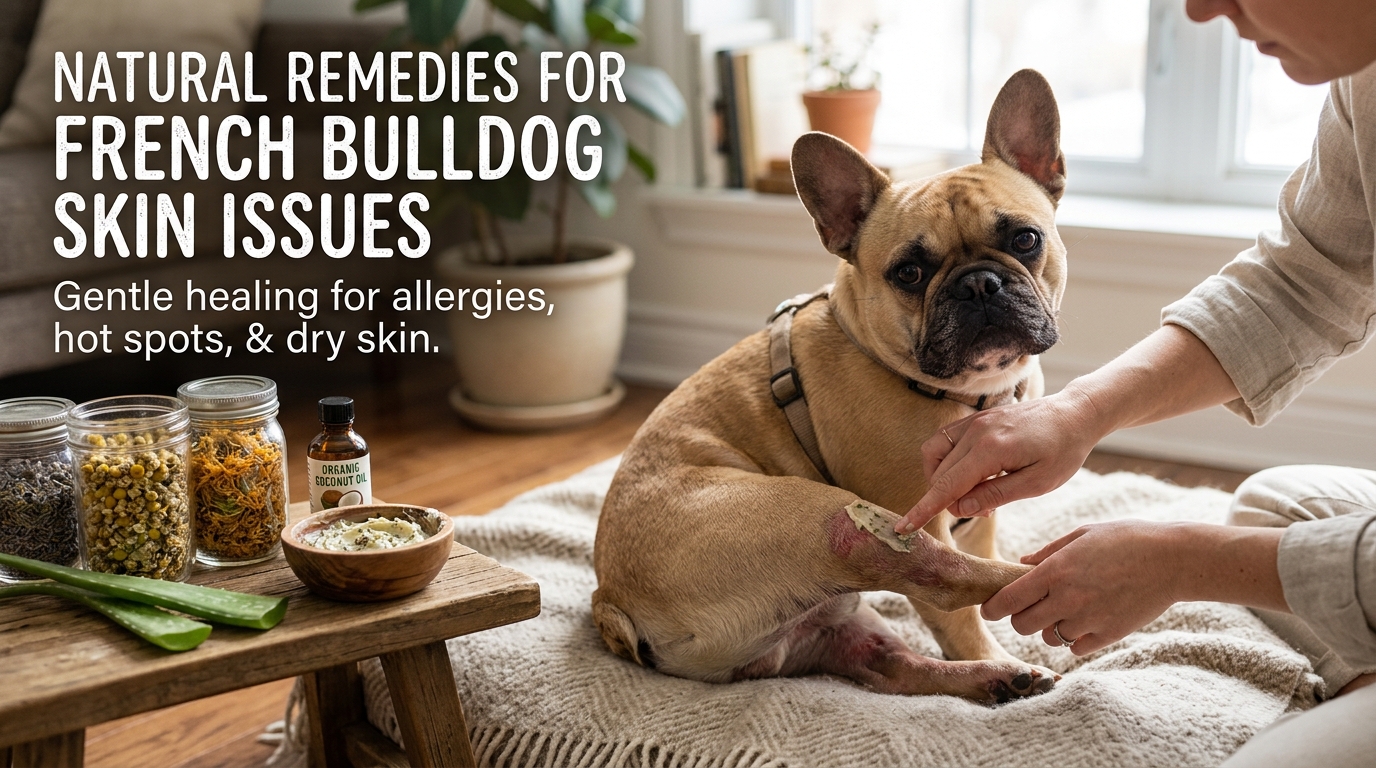
French Bulldogs are affectionate, playful, and highly popular companion dogs, known for their charming personalities and strong bond with their owners. However, despite their many positive traits, they are also one of the breeds most prone to skin-related issues. This is largely due to their genetics, sensitive skin barrier, and distinctive physical features such as their deep facial folds, compact build, and tendency toward allergies.
Because of these factors, French Bulldog skin problems are very common and can range from mild irritation to more persistent conditions that require long-term management. Owners often notice issues such as redness, itching, flaking, rashes, or recurring infections in skin folds, ears, and other sensitive areas. Common triggers include food allergies, environmental allergens (like pollen or dust mites), heat and humidity, bacterial or yeast overgrowth, and even reactions to grooming products.
Due to their sensitivity, many pet owners prefer to start with gentle, natural dog remedies before moving on to medicated treatments, especially when symptoms are mild or in the early stages. These home-based approaches can sometimes help soothe irritation, support skin healing, and improve overall comfort—though they should always be used carefully and monitored closely.
This article explores safe and practical home remedies for dogs that may help manage discomfort associated with skin allergies, dryness, itching, and minor infections. These methods typically focus on reducing inflammation, keeping the skin clean and dry, supporting the skin barrier, and avoiding common irritants that can worsen symptoms. While natural care can be helpful for mild cases, it is also important to recognize when veterinary treatment is necessary, especially if symptoms persist, worsen, or involve signs of infection such as odor, swelling, or open sores.
Understanding Common Skin Problems in French Bulldogs
Skin-related conditions are especially common in French Bulldogs due to their sensitive skin, compact facial structure, and deep skin folds that can easily trap moisture, dirt, and bacteria. These issues may appear mild at first but can quickly become uncomfortable or recurring if not properly managed.
Some of the most frequently observed symptoms include:
Persistent itching and scratching
One of the earliest and most noticeable signs of skin trouble is constant scratching, licking, or rubbing against furniture. This usually indicates irritation caused by allergies, parasites, or skin dryness. In many cases, the itching can become intense enough to disturb the dog’s sleep or daily comfort.
Red or inflamed skin
Inflammation often appears as redness, warmth, or sensitivity in certain areas of the body such as the belly, paws, ears, or around the face. This reaction is typically the skin’s response to allergens, irritation, or infection. If left untreated, inflamed skin can become more painful and may lead to secondary infections.
Dry or flaky patches
Some French Bulldogs develop rough, dry, or scaly areas on their skin. This can be caused by environmental dryness, poor nutrition, over-bathing, or a weakened skin barrier. In more severe cases, these patches may crack or become irritated, increasing discomfort.
Unpleasant odor in skin folds
Because French Bulldogs have deep facial wrinkles and body folds, moisture and bacteria can easily accumulate in these areas. When not cleaned regularly, this can lead to a noticeable bad odor, often associated with yeast or bacterial overgrowth. This is one of the most common early signs of fold-related skin infections.
Recurring dog skin infections
Frequent bacterial or yeast infections are a major concern in this breed. These infections often develop in warm, moist areas such as skin folds, ears, and paws. Symptoms may include redness, swelling, discharge, or a sticky texture on the skin. Without proper care, these infections tend to return repeatedly.
These symptoms are commonly associated with dog skin allergies, which can be triggered by multiple factors such as certain foods, environmental allergens like pollen or dust mites, excessive heat, or inadequate cleaning of skin folds. In some cases, grooming products or shampoos with harsh chemicals may also worsen the condition.
Because the causes can vary widely, identifying the underlying trigger is essential before choosing any treatment approach. A clear understanding of whether the issue is allergy-related, hygiene-related, or infection-based helps in selecting the most effective and safe natural dog remedies, while also preventing the problem from recurring.
1. Oatmeal Baths for Skin Relief
One of the most widely recommended and gentle home treatments for dogs with sensitive or irritated skin is a colloidal oatmeal bath. Colloidal oatmeal is finely ground oats that disperse easily in water, allowing the skin to absorb its natural soothing and protective compounds.
This type of bath works in several beneficial ways. It helps calm itching by forming a light, protective barrier on the skin’s surface, which can reduce irritation caused by allergens or environmental triggers. It also has natural anti-inflammatory properties that may help reduce redness, swelling, and overall discomfort. In addition, oatmeal helps to lock in moisture, making it especially useful for dogs suffering from dry, flaky, or rough skin.
For French Bulldogs in particular—who are prone to allergies and skin sensitivity—oatmeal baths are often considered one of the safest and most effective natural dog remedies for mild skin issues. They are commonly used to manage itchy dog skin, especially when symptoms are related to seasonal allergies, mild reactions, or general dryness.
When prepared correctly, an oatmeal bath can provide immediate soothing relief without harsh chemicals or medications. However, it is most effective for mild cases and should be used as part of a broader skin care routine, especially if the underlying cause of irritation is ongoing or recurrent.
2. Coconut Oil for Moisturizing Dry Skin
Coconut oil is a commonly used natural moisturizer for dogs, especially those experiencing dry, flaky, or mildly irritated skin. It contains natural fatty acids, such as lauric acid, which can help nourish the skin and support its protective barrier. When applied in small, controlled amounts, it may help soften rough patches, reduce flakiness, and improve overall skin texture.
For French Bulldogs, coconut oil is often included in gentle at-home care routines because their skin is prone to dryness and sensitivity. It can be particularly helpful for minor irritation caused by environmental factors, seasonal changes, or mild allergies. In some cases, it may also provide a light protective layer that helps reduce further moisture loss from the skin.
However, it is important to use coconut oil carefully and in moderation. Over-application can make the coat greasy and may clog pores in sensitive areas, especially within skin folds. Additionally, if ingested in large amounts through licking, it may cause digestive upset such as loose stools. For this reason, it should be applied sparingly and only to affected areas rather than used excessively across the entire body.
3. Aloe Vera for Mild Irritation
Aloe vera is widely known for its soothing and cooling properties, making it a popular natural option for calming mild skin irritation in dogs. Pure aloe vera gel can help reduce redness, ease discomfort, and provide a cooling sensation on inflamed or itchy areas. Because of these properties, it is often used in home care routines for dogs with sensitive or allergy-prone skin, including French Bulldogs.
When used correctly, aloe vera may support the healing of minor irritations such as small rashes, hot spots, or dry patches. It can be especially useful for temporary relief from itching, as it helps calm the skin without harsh chemicals or strong medications.
However, it is very important to ensure that only 100% pure aloe vera gel is used, without added fragrances, alcohol, or preservatives, as these additives can further irritate a dog’s skin. After application, care should also be taken to prevent the dog from licking the treated area excessively, since ingesting large amounts of aloe may cause digestive discomfort.
Used appropriately, aloe vera can be a helpful part of natural care for managing mild skin sensitivity and supporting overall skin comfort in French Bulldogs.
4. Apple Cider Vinegar for Skin Fold Care
Diluted apple cider vinegar is sometimes used as a natural cleaning and balancing solution for dogs with mild skin fold issues. A common dilution ratio is one part apple cider vinegar to one part water, which helps make it gentle enough for topical use. This mixture is mainly used to help maintain a healthy skin environment by discouraging the overgrowth of yeast and bacteria in warm, moist areas such as facial wrinkles, neck folds, and other skin creases.
For French Bulldogs, this approach is often discussed in relation to managing mild yeast-related irritation and learning how to properly clean and maintain their skin folds. Since these areas can easily trap moisture, food particles, and dirt, regular gentle cleaning is essential to prevent odor, redness, and infection. When used correctly, diluted apple cider vinegar may help restore balance to the skin’s surface and reduce conditions that allow microbial overgrowth.
However, it must be used with caution. It should never be applied to broken, raw, or severely inflamed skin, as the acidity can cause stinging, irritation, or further discomfort. It is best used as a preventive care step or for very mild cases, rather than as a treatment for advanced infections. Care should also be taken to avoid contact with the eyes and nose area.
5. Omega-3 Fatty Acids for Long-Term Skin Health
Omega-3 fatty acids are essential nutrients that play a key role in maintaining healthy skin and a shiny coat in dogs. Unlike topical remedies, Omega-3s work internally by supporting the body’s natural anti-inflammatory processes. Over time, they can help reduce skin inflammation, improve moisture retention, and strengthen the overall skin barrier.
Common sources include fish oil supplements or diets enriched with Omega-3 fatty acids such as EPA and DHA. These nutrients are often recommended for dogs with chronic skin conditions, especially those suffering from recurring allergies, dryness, or irritation. In French Bulldogs, regular Omega-3 supplementation may help reduce the frequency and severity of flare-ups linked to environmental or food sensitivities.
In addition to calming inflammation, Omega-3s also contribute to a healthier, softer coat and can improve overall skin resilience. However, results are gradual and typically require consistent use over several weeks or months.
As part of a long-term care plan, Omega-3 fatty acids are widely considered one of the most beneficial nutritional supports for managing chronic dog skin allergies and maintaining overall skin health.
6. Proper Cleaning of Skin Folds
Regular and careful cleaning of facial folds is one of the most important aspects of skin care for French Bulldogs. Because their wrinkles naturally trap moisture, food particles, saliva, and dirt, these areas create an ideal environment for bacteria and yeast to grow if not properly maintained. Over time, this can lead to irritation, foul odor, redness, and even painful infections.
To keep your French Bulldog’s skin folds healthy, gentle cleaning should be done as part of a routine care schedule. This involves using a soft, clean cloth or dog-safe wipes to carefully clean between the folds without applying excessive pressure. The goal is to remove any buildup while avoiding irritation to the sensitive skin underneath.
After cleaning, it is equally important to dry the folds thoroughly. Leaving moisture behind can worsen the problem and encourage microbial growth. Consistent drying helps maintain a balanced, dry environment that reduces the risk of infection and discomfort.
When done regularly, this simple routine is one of the most effective natural methods for preventing skin fold dermatitis in French Bulldogs and plays a key role in reducing recurring skin issues.
7. Diet and Allergy Management
Diet has a direct and significant impact on a dog’s skin health, especially in breeds like French Bulldogs that are prone to allergies and sensitivities. In many cases, chronic skin problems are linked to food-related reactions, which may not always be immediately obvious. Common triggers can include certain proteins, grains, additives, or low-quality ingredients.
To help manage these issues, many veterinarians recommend hypoallergenic or limited-ingredient diets. These diets are designed to reduce exposure to potential allergens by using simpler formulations with fewer components. This makes it easier to identify and avoid ingredients that may be causing skin flare-ups.
For French Bulldogs experiencing recurring itching, redness, or irritation, dietary adjustments are often an important part of a long-term management plan. This approach is frequently used by owners looking for natural ways to support French Bulldog skin allergies without relying solely on medication.
In many cases, diet changes are combined with topical care and environmental management to achieve better overall skin stability and reduce the frequency of flare-ups affecting the skin and folds.
8. Environmental Factors and Prevention
Environmental conditions play a major role in the overall skin health of French Bulldogs. Even when diet and grooming are well managed, exposure to irritants in the environment can still trigger or worsen skin issues. Common factors include dust, pollen, mold, harsh cleaning products, and synthetic fragrances.
Maintaining a clean and controlled living environment can significantly reduce the risk of irritation and allergic reactions. Simple practices such as regularly washing your dog’s bedding, vacuuming frequently, and avoiding strong chemical cleaners can help minimize exposure to potential irritants. Using mild, pet-safe cleaning products is especially important in households with sensitive dogs.
Temperature and humidity levels also matter, as warm and humid conditions can encourage yeast and bacterial growth in skin folds. Keeping your French Bulldog cool, dry, and comfortable can help reduce flare-ups and prevent infections from developing.
These preventive steps, when combined with proper grooming and diet management, form an important part of overall pet skin care. They not only help manage existing symptoms but also play a key role in minimizing future flare-ups associated with dog skin allergies and skin fold sensitivity.
When Veterinary Care Is Necessary
Although home remedies for dogs can be effective in managing mild irritation, dryness, or early-stage skin sensitivity, they are not always sufficient—especially when symptoms worsen or fail to improve. In French Bulldogs, skin conditions can escalate quickly due to their naturally sensitive skin and deep folds, which can trap moisture and promote infection.
It is important to seek veterinary care if you notice any of the following warning signs:
Strong odor or discharge
A persistent foul smell, especially coming from skin folds, ears, or affected areas, often indicates a yeast or bacterial overgrowth. Discharge that is yellow, green, or unusually thick may also signal infection that requires medical treatment.
Open sores or bleeding
Skin that becomes broken, raw, or starts to bleed is a clear sign that the condition has progressed beyond mild irritation. This can occur due to excessive scratching, licking, or an untreated infection and may worsen without professional care.
Significant hair loss
Patchy or widespread hair loss can be associated with allergies, parasitic infections, hormonal imbalances, or chronic skin disease. When hair loss is noticeable or spreading, it should always be evaluated by a veterinarian to determine the underlying cause.
Continuous scratching or visible discomfort
If your French Bulldog is constantly scratching, biting, or rubbing against surfaces, it suggests ongoing irritation or pain. Persistent discomfort often indicates an underlying issue such as allergies, mites, or infection that cannot be resolved with home care alone.
These symptoms may point to more serious dog skin infections or underlying health conditions that require proper diagnosis and medical treatment. Early veterinary intervention not only helps relieve discomfort more quickly but also prevents the condition from becoming chronic or recurring.
Conclusion
Managing skin issues in French Bulldogs requires a consistent and well-rounded approach that focuses on daily care, proper hygiene, and attention to both diet and environment. Because this breed is naturally prone to sensitive skin, allergies, and irritation in their facial folds, even minor neglect can quickly lead to recurring discomfort or infections.
Natural dog remedies can be helpful in easing mild symptoms such as itching, dryness, or slight redness, especially when introduced early and used correctly. Options like gentle topical treatments, dietary improvements, and regular fold cleaning can all contribute to improved skin comfort and overall well-being. However, these methods should be viewed as supportive care rather than a complete replacement for professional treatment.
It is also important to use natural solutions responsibly and monitor your dog’s condition closely. If symptoms persist, worsen, or show signs of infection, veterinary guidance is essential to ensure proper diagnosis and effective treatment.
With the right balance of home care, preventive practices, and veterinary support when needed, most cases of irritation and dog skin allergies in French Bulldogs can be significantly managed. This leads to healthier skin, reduced flare-ups, and a more comfortable, happier pet overall.