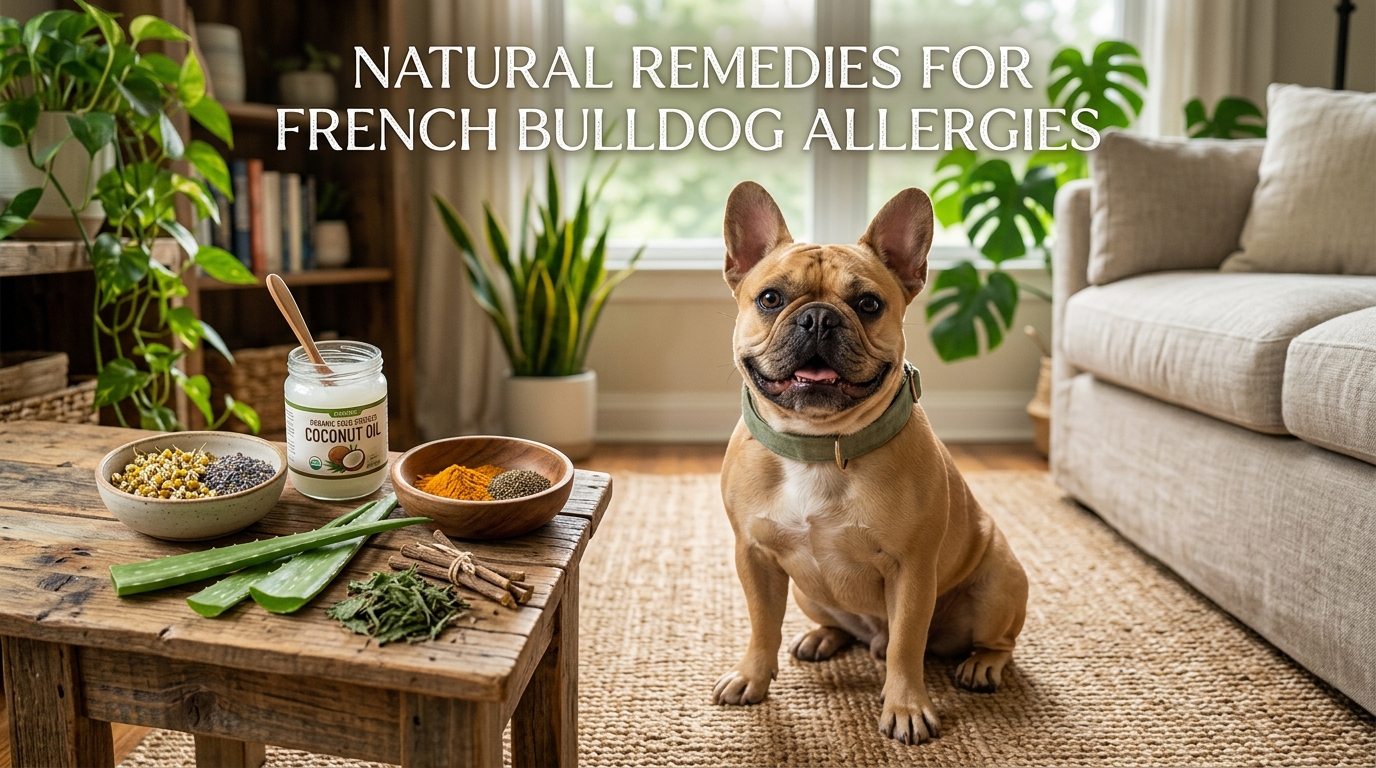
French Bulldogs are affectionate, playful, and deeply loyal companions, which is why they are such a popular breed. However, they are also genetically predisposed to a variety of health issues, and one of the most common concerns among owners is allergies.
These allergies often show up as ongoing, recurring symptoms rather than a single noticeable reaction. Many French Bulldog owners observe persistent itching, excessive scratching, frequent paw licking, red or inflamed skin, and recurring ear infections. In some cases, dogs may also develop hot spots (localized areas of irritated, infected skin) or experience hair thinning due to constant scratching and irritation. Because French Bulldogs have sensitive skin folds and a compact body structure, these symptoms can become uncomfortable quite quickly if not managed properly.
French Bulldog allergies are typically grouped into three main categories: food-related allergies, environmental allergies, and contact sensitivities. Food allergies may be triggered by certain proteins like chicken, beef, or dairy, or by additives and fillers in commercial dog food. Environmental allergies, on the other hand, are caused by everyday triggers such as pollen, dust mites, mold spores, or grass. Contact allergies can occur when the dog’s skin reacts to substances it physically touches, such as cleaning products, fabrics, shampoos, or even certain grooming materials.
While some cases can become severe enough to require veterinary diagnosis and medical treatment, including antihistamines or prescription diets, many mild to moderate allergy cases can be managed at home. Consistent care routines—such as regular bathing with gentle, hypoallergenic shampoos, keeping skin folds clean and dry, feeding a balanced limited-ingredient diet, and maintaining a clean living environment—can significantly reduce flare-ups. With proper attention and early management, most French Bulldogs with allergies can still live comfortable, happy, and active lives.
Understanding Allergies in French Bulldogs
Before looking at treatment options, it is important to understand what causes allergies in French Bulldogs and why this breed is particularly prone to them. French Bulldogs have sensitive skin, compact facial structure with skin folds, and a naturally reactive immune system, all of which can make them more vulnerable to allergic reactions compared to many other breeds.
Allergic responses in French Bulldogs are most commonly linked to several key triggers:
Food-related ingredients:
Certain proteins and additives in a dog’s diet can trigger immune reactions. Common culprits include chicken, beef, dairy products, wheat, soy, and artificial preservatives or flavorings. When a French Bulldog’s body cannot properly tolerate a specific ingredient, it may respond with skin inflammation or digestive issues.
Environmental allergens:
Everyday elements in the environment can also play a major role. Pollen from grass and trees, household dust, mold spores, and even seasonal changes can trigger allergic reactions. These allergens are often inhaled or absorbed through the skin, leading to recurring flare-ups throughout the year.
Skin fold-related infections (yeast or bacteria):
Due to their naturally wrinkled skin, French Bulldogs are more likely to trap moisture, dirt, and heat in skin folds. This creates an ideal environment for yeast and bacterial overgrowth, which can worsen itching, redness, and odor if not cleaned and maintained properly.
Digestive imbalance and immune sensitivity:
In some cases, an underlying imbalance in gut health can weaken the immune system and make allergic reactions more frequent or severe. A sensitive digestive system can also contribute to skin problems, since gut health and skin health are closely connected.
These triggers often show up through visible and uncomfortable symptoms such as persistent scratching, redness or inflamed skin, paw chewing or licking, ear irritation, and general restlessness. Many dogs may also develop recurring skin rashes or hotspots, especially if the underlying cause is not identified and managed early.
Understanding these causes is the first step toward effective management, as it helps owners identify patterns and reduce exposure to the specific allergens affecting their dog.
Dietary Management for Food-Related Allergies
One of the most effective and foundational ways to manage food allergies in French Bulldogs is through careful dietary management. Because food sensitivities often directly contribute to skin inflammation, ear infections, and digestive upset, adjusting the diet can lead to noticeable improvements in both comfort and overall health.
A well-structured hypoallergenic diet for French Bulldogs with skin problems is typically designed to eliminate common irritants while providing balanced nutrition. The goal is to reduce the immune system’s exposure to triggering ingredients so the body can calm down and heal over time.
Key dietary strategies include:
Limited-ingredient diets:
These diets use a shorter list of ingredients, making it easier to identify and avoid allergens. By minimizing additives, preservatives, and unnecessary fillers, the risk of triggering a reaction is significantly reduced.
Novel protein sources:
Instead of common proteins like chicken or beef, many owners switch to less frequently used proteins such as duck, lamb, rabbit, venison, or salmon. These “novel” proteins are less likely to trigger an immune response in dogs that have developed sensitivities over time.
Avoiding common allergens:
Ingredients such as chicken, soy, wheat, corn, and dairy are often excluded because they are among the most common food triggers in dogs with allergies. Removing these ingredients can help reduce itching, redness, and digestive discomfort.
With consistency, many owners find that switching to the best diet for French Bulldog with food allergies leads to gradual but noticeable improvements. Skin irritation may reduce, digestion becomes more stable, and energy levels often improve within a few weeks. However, dietary changes usually require time and strict consistency to fully evaluate their effectiveness.
In addition to dietary adjustments, nutritional supplements can play an important supportive role. Omega-3 fatty acids, particularly from fish oil, are widely recommended because of their anti-inflammatory properties. There are well-documented fish oil benefits for French Bulldog skin allergies, including reduced itching, improved skin hydration, and a healthier, shinier coat. These fatty acids help support the skin barrier, making it less reactive to environmental and dietary triggers.
Overall, a structured diet combined with supportive nutrients can significantly improve the quality of life for French Bulldogs struggling with food-related allergies.
Gentle Home Remedies for Skin Irritation
When a French Bulldog is dealing with mild itching or early signs of skin irritation, gentle at-home care can often provide meaningful relief and help prevent symptoms from worsening. While these approaches are not a substitute for veterinary treatment in severe or persistent cases, they are commonly used as part of a supportive routine for managing discomfort.
Several home remedies for itchy skin in French Bulldogs can help soothe inflammation and improve overall skin comfort:
Oatmeal baths:
Oatmeal is well known for its calming and anti-inflammatory properties. A lukewarm oatmeal bath can help relieve itching, reduce redness, and soften irritated skin. It forms a gentle barrier on the skin that helps lock in moisture and ease dryness, making it especially useful during flare-ups.
Mild, fragrance-free shampoos:
Regular bathing with a gentle, hypoallergenic shampoo designed for sensitive dogs can help remove allergens like pollen, dust, and debris from the coat. Fragrance-free formulas are particularly important, as artificial scents and harsh chemicals can further irritate already sensitive skin.
Aloe-based soothing treatments:
Aloe vera products that are specifically formulated for canine use can help cool inflamed areas and support skin healing. When used correctly, aloe can reduce redness and provide a soothing effect on itchy patches, although it should always be used in safe, pet-approved formulations.
These types of remedies are often included in broader natural dog allergy treatment routines, especially for dogs with recurring but mild symptoms. When used consistently alongside good hygiene and allergen control, they can help reduce discomfort, prevent excessive scratching, and support healthier skin over time.
However, it is important to monitor symptoms closely. If itching becomes severe, persistent, or is accompanied by hair loss, open sores, or ear infections, professional veterinary guidance is necessary to address the underlying cause more effectively.
Soothing Itchy Paws Naturally
Paw irritation is one of the most common and noticeable symptoms in allergic French Bulldogs. Because dogs frequently walk on grass, pavement, and other surfaces that collect allergens, their paws are constantly exposed to potential irritants. When discomfort builds up, dogs often respond by licking, chewing, or even biting their paws, which can further worsen inflammation and sometimes lead to secondary infections.
Managing this issue early is an important part of maintaining comfort and preventing long-term skin problems. There are several simple but effective steps owners can follow on how to soothe French Bulldog itchy paws naturally:
Cleaning paws after walks:
Wiping or rinsing the paws after outdoor activity helps remove common allergens such as pollen, dust, grass particles, and chemical residues from sidewalks or lawns. This reduces the chances of irritants being carried into the home and repeatedly exposed to the skin.
Using gentle, vet-approved wipes:
Pet-safe cleansing wipes can be a convenient option for quick cleaning, especially when full washing is not possible. These wipes are designed to be mild on sensitive skin while still removing dirt and allergens effectively. They can also help maintain hygiene between baths.
Keeping paws dry:
Moist environments can encourage bacterial and yeast growth, which may worsen itching and inflammation. Ensuring paws are properly dried after washing or walking in damp conditions helps reduce the risk of secondary infections and keeps the skin barrier healthier.
When practiced consistently, these simple care routines can significantly reduce recurring paw irritation. Over time, they help minimize licking behavior, support healthier skin, and improve overall comfort for French Bulldogs prone to allergies.
Proper Care of Skin Folds
French Bulldogs have a unique facial structure that includes deep skin folds around the nose, mouth, and sometimes the eyes. These folds are naturally warm and slightly moist, which makes them prone to trapping dirt, food particles, saliva, and bacteria throughout the day. Because of this, they require consistent care to stay clean and healthy. Without regular attention, these areas can quickly become irritated and may develop infections or unpleasant odors.
Keeping the folds clean is important because buildup inside them can lead to bacterial or yeast overgrowth. When this happens, the skin may become red, itchy, and inflamed, and the dog may start rubbing or scratching its face more frequently. Over time, untreated irritation can worsen existing skin sensitivities or allergies and may lead to recurring infections that require veterinary treatment.
A proper cleaning routine should be gentle but consistent. Ideally, the folds should be cleaned daily or at least every other day using a soft, damp cloth or cotton pad. The goal is to carefully remove any debris without irritating the skin. After cleaning, it is very important to dry the area thoroughly, since trapped moisture creates the perfect environment for yeast and bacteria to grow. In some cases, especially if the dog is prone to infections, veterinarians may recommend using antiseptic wipes designed specifically for pets to help maintain better hygiene and reduce microbial buildup.
Additional Natural Support Options for Skin Health
Alongside proper hygiene, some natural supportive methods may help improve overall skin health and reduce the frequency or severity of allergic reactions. These approaches are not replacements for medical treatment, but they can support the dog’s skin barrier and immune system when used correctly.
Coconut oil is sometimes used to help moisturize dry or irritated skin. When applied carefully and in small amounts, it may help soothe rough patches and improve skin softness. Some pet owners also include it in the diet in very small quantities, although this should always be done cautiously and preferably with veterinary guidance.
Probiotics are another commonly used supplement because they support a healthy balance of gut bacteria. Since gut health is closely linked to immune function, improving digestion may indirectly help reduce skin flare-ups and allergic responses in some dogs. A balanced gut can contribute to better nutrient absorption, which in turn supports healthier skin and coat condition.
Omega-3 fatty acids, often found in fish oil supplements, are widely recommended for dogs with skin sensitivity. These healthy fats help reduce inflammation in the body, which may ease itching and irritation associated with allergies. Over time, they can also improve coat shine and skin hydration, making the skin less prone to dryness and discomfort.
Managing Environmental Allergies
In many French Bulldogs, skin problems are not only related to hygiene or diet but are also influenced by the environment. Common allergens such as pollen, dust mites, mold spores, and grass can trigger seasonal flare-ups. These reactions often become more noticeable during certain times of the year when allergen levels are higher.
To reduce exposure, it is important to maintain a clean living environment. Regularly washing your dog’s bedding in hot water helps remove allergens and bacteria that accumulate over time. Frequent vacuuming of carpets, rugs, and furniture also reduces dust and other irritants that can trigger itching or skin reactions.
Air quality inside the home can also play a role. Using an air purifier may help reduce airborne allergens, making the environment more comfortable for sensitive dogs. In addition, cleaning your dog after outdoor walks is very helpful, as pollen and other irritants often stick to the paws, coat, and legs. Wiping them down before they spread indoors can significantly reduce ongoing exposure.
When combined, these environmental controls can greatly reduce skin irritation and help manage allergic flare-ups more effectively. Over time, this consistent care, along with proper fold hygiene and nutritional support, can make a noticeable difference in overall skin comfort and health.
Final Thoughts
Managing allergies in French Bulldogs is rarely about finding a single quick fix. Instead, it requires a steady, consistent approach that combines good daily habits, attention to diet, and careful control of the dog’s living environment. Because this breed is naturally prone to skin sensitivity, small changes in routine can make a meaningful difference over time, but they need to be maintained regularly to be effective.
Natural remedies and supportive care methods can be helpful in many mild cases, especially when used alongside proper grooming and nutrition. These approaches may help reduce inflammation, improve skin moisture, and support overall immune balance. However, they are most effective when viewed as part of a broader care plan rather than as standalone treatments.
It is also important to recognize when professional help is needed. If symptoms such as persistent itching, recurring infections, hair loss, or severe redness continue despite home care, a veterinarian should be consulted. Ongoing or worsening issues may indicate underlying conditions that require medical diagnosis and targeted treatment rather than general supportive care.
With the right combination of dietary management, regular skin and fold hygiene, and environmental control, most French Bulldogs show clear improvement in comfort. Over time, this consistent care helps reduce flare-ups, supports healthier skin, and significantly improves the dog’s overall quality of life.