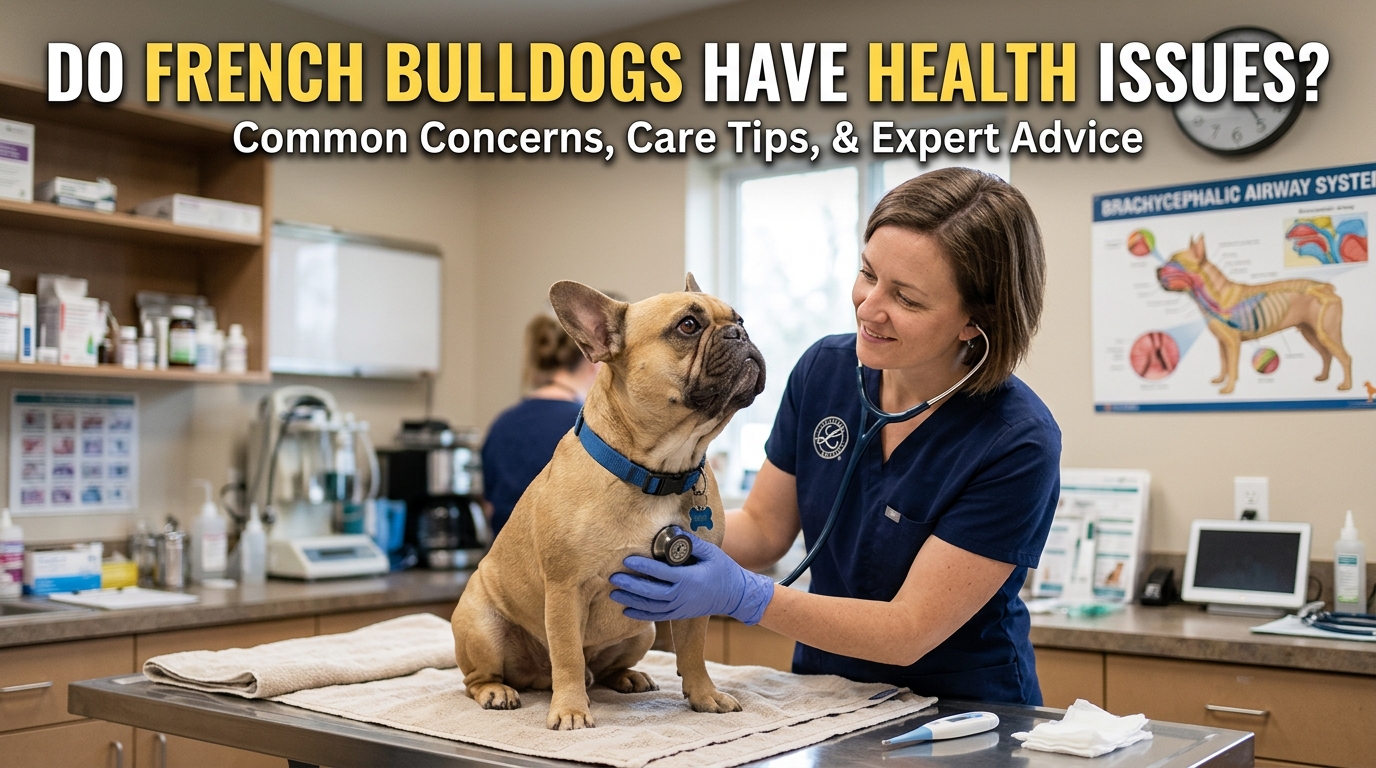
French Bulldog is a popular companion dog breed known for its affectionate personality, small size, and adaptability to apartment living. Despite these appealing traits, the breed is also well known for a number of inherited and structural health issues. Understanding these concerns is essential for anyone considering ownership, as French Bulldogs often require more medical attention and careful daily management than many other breeds.
One of the most significant health challenges in French Bulldogs is brachycephalic airway syndrome (BOAS). Because of their short, flat skull shape, they often have narrowed nostrils, elongated soft palates, and restricted airways. This can lead to breathing difficulties, loud snoring, reduced exercise tolerance, and in severe cases, respiratory distress—especially in hot or humid weather. Heat sensitivity is a serious concern, as they cannot cool themselves efficiently through panting.
Another common issue is orthopedic problems, particularly hip dysplasia and intervertebral disc disease (IVDD). Hip dysplasia occurs when the hip joint does not develop properly, leading to pain, stiffness, and arthritis over time. IVDD affects the spine and can cause back pain, weakness in the limbs, or even paralysis in severe cases. These conditions are partly genetic and partly influenced by body structure.
French Bulldogs are also prone to skin disorders, including allergies and dermatitis. Their facial folds can trap moisture and bacteria, leading to infections if not cleaned regularly. Food allergies and environmental sensitivities are also relatively common, often resulting in itching, redness, or chronic skin irritation.
Eye problems are another concern. Conditions such as cherry eye, dry eye (keratoconjunctivitis sicca), and corneal ulcers occur more frequently in this breed due to their prominent eyes and facial structure, which makes them more vulnerable to injury and irritation.
Additionally, French Bulldogs may suffer from ear infections, especially because their narrow ear canals can trap wax and moisture. Regular ear cleaning is often necessary to prevent recurrent infections.
Overall, while French Bulldogs are loving and highly social companions, their health needs are more complex than many people expect. Regular veterinary care, weight management, temperature control, and attentive grooming are essential to maintaining their quality of life and preventing many of the breed’s common medical problems.
Common Health Problems in French Bulldogs
One of the most significant health concerns in the French Bulldog is related to the respiratory system. Due to their short, flattened skull structure (a condition known as brachycephaly), many French Bulldogs experience brachycephalic obstructive airway syndrome (BOAS). This anatomical limitation means their airways are narrower than normal, making breathing less efficient compared to longer-snouted breeds. As a result, they may develop noticeable dog breathing problems, especially during exercise, excitement, or even mild stress.
These breathing difficulties can present in several ways, including loud or labored breathing, snorting sounds, reduced stamina, and frequent pauses during physical activity. Even routine actions like walking or playing can become tiring more quickly for affected dogs. In more severe cases, the restricted airflow can significantly reduce oxygen intake, impacting overall energy levels and long-term health.
Closely linked to this condition is a strong sensitivity to heat and humidity. French Bulldogs struggle to regulate body temperature efficiently because dogs primarily cool themselves by panting, and restricted airways limit this process. As a result, many owners notice clear heat intolerance symptoms, such as excessive panting, drooling, restlessness, weakness, or reluctance to move when temperatures rise.
This heat sensitivity can become dangerous very quickly. Overheating may escalate into heat exhaustion or even life-threatening heatstroke if not addressed promptly. For this reason, environmental management is critical for French Bulldog care. They should be kept in cool, well-ventilated spaces, provided with constant access to fresh water, and protected from intense outdoor activity during hot weather.
Because of these combined respiratory and thermal challenges, responsible ownership requires ongoing awareness of the breed’s limits. With proper care and monitoring, however, many French Bulldogs can still live comfortable and happy lives despite these inherent health vulnerabilities.
Skin and Allergy Conditions
Another frequent health concern in the French Bulldog involves the skin. Because of their naturally wrinkled facial structure and relatively sensitive skin, they are prone to a variety of dermatological issues. The skin folds, especially around the face, tail area, and body creases, can easily trap moisture, dirt, and bacteria. This creates an environment where irritation and infections can develop.
As a result, many French Bulldogs experience skin allergies and dermatitis, which may appear as persistent itching, redness, inflamed patches, hair loss, or a generally uncomfortable and restless behavior. These allergies can be triggered by multiple factors, including environmental allergens (such as dust or pollen), food sensitivities, or even contact irritants like certain cleaning products or grooming materials.
Because these issues can become chronic if not managed properly, consistent hygiene is essential. Regular cleaning and drying of skin folds helps prevent bacterial or yeast buildup. Routine grooming, combined with vet-recommended skin care products when necessary, can significantly reduce flare-ups and improve overall skin health. In many cases, early prevention is more effective than treating recurring infections after they develop.
Eye and Spinal Health Issues
French Bulldogs are also predisposed to several eye-related conditions due to their large, prominent eyes and shallow eye sockets. This facial structure makes them more vulnerable to injuries, dryness, and irritation. Common problems include corneal ulcers, dry eye (reduced tear production), and conditions such as “cherry eye,” where a gland in the eyelid becomes visibly swollen and displaced.
These issues are often grouped under common French Bulldog eye problems and can vary from mild irritation to more serious conditions that may affect vision if left untreated. Because of this vulnerability, even minor symptoms such as excessive tearing, squinting, redness, or pawing at the eyes should be taken seriously and checked by a veterinarian promptly.
In addition to eye conditions, French Bulldogs are also at risk for spinal disorders, particularly intervertebral disc disease (IVDD). This condition occurs when the cushioning discs between the vertebrae become damaged or displaced, putting pressure on the spinal cord. Early warning signs of IVDD can include stiffness, reluctance to jump or climb stairs, reduced activity, pain when touched, or changes in posture and gait.
In more advanced cases, IVDD can lead to weakness in the limbs or even partial paralysis, making early detection extremely important. Prompt veterinary care, rest, and in some cases surgery are often required to prevent long-term complications.
Overall, both eye and spinal health issues highlight the importance of careful monitoring and preventive care in this breed, as early intervention can greatly improve outcomes.
Reproductive and Lifespan Considerations
The French Bulldog has a body structure that significantly affects reproduction. Because of their large heads and narrow hips, natural birth is often difficult or unsafe for both the mother and puppies. As a result, many French Bulldogs are unable to deliver puppies naturally and typically require veterinary-assisted delivery through a cesarean section. For this reason, veterinary professionals often emphasize that French Bulldogs frequently need a C-section birth, which is one of the most well-known aspects of breeding this breed responsibly.
This reproductive limitation also reflects broader genetic and structural health challenges that influence the breed’s overall longevity. On average, French Bulldogs tend to have a shorter lifespan compared to many other small- to medium-sized dog breeds. While individual lifespans can vary depending on genetics, lifestyle, and healthcare, chronic issues such as breathing difficulties, spinal conditions, and heat sensitivity can all contribute to reduced long-term resilience if not carefully managed.
Care, Prevention, and Long-Term Management
Proper care is essential in reducing the impact of these inherited health risks and improving quality of life. Responsible breeding practices play a major role in minimizing severe genetic conditions, but day-to-day management is equally important for owners. Maintaining a healthy weight is especially critical, as excess weight can worsen breathing difficulties, joint strain, and heat intolerance.
Avoiding overheating is another key aspect of long-term care. Since French Bulldogs are prone to respiratory limitations, even moderate heat can place stress on their bodies. Providing cool environments, limiting exercise during warm weather, and ensuring constant access to water are all essential preventive steps.
Many prospective owners also consider whether French Bulldogs are a high-maintenance breed, and it is generally recognized that they require more consistent care and medical attention than average companion dogs. This is reflected in the cost of owning a French Bulldog with health issues, which can include regular veterinary visits, allergy treatments, diagnostic testing, and, in some cases, emergency care.
Preventive healthcare plays a major role in reducing long-term complications. A balanced, high-quality diet supports immune function and weight control, while routine veterinary check-ups help detect early signs of disease before they become severe. Understanding how to minimize common issues—such as breathing problems, skin allergies, and spinal stress—allows owners to better support the breed’s overall well-being.
Ultimately, while French Bulldogs can live happy and affectionate lives, their long-term health depends heavily on proactive care, early intervention, and careful lifestyle management.
Conclusion
The French Bulldog is widely loved for its affectionate temperament, playful personality, and strong bond with humans, making it one of the most popular companion breeds worldwide. However, beneath this appeal lies a well-documented tendency toward multiple hereditary and structural health conditions that require ongoing attention throughout the dog’s life.
Understanding common French Bulldog health problems is essential because it allows owners to anticipate potential challenges rather than reacting to them after they become severe. Issues such as breathing difficulties, heat sensitivity, skin allergies, eye conditions, spinal disorders, and reproductive complications are not rare exceptions in this breed—they are relatively common concerns that stem largely from its physical structure and selective breeding history.
Because of these factors, owning a French Bulldog involves a level of responsibility that goes beyond basic pet care. It requires consistent preventive management, regular veterinary supervision, and a willingness to adapt lifestyle habits to the breed’s limitations. This includes careful control of exercise, temperature, diet, and hygiene, as well as early intervention when symptoms first appear.
Ultimately, while French Bulldogs can offer deep companionship and emotional rewards, prospective owners should weigh these benefits against the medical responsibilities and potential long-term care needs. A well-informed approach leads to better outcomes, ensuring that these dogs can enjoy a more comfortable, healthier, and higher-quality life despite their inherent vulnerabilities.