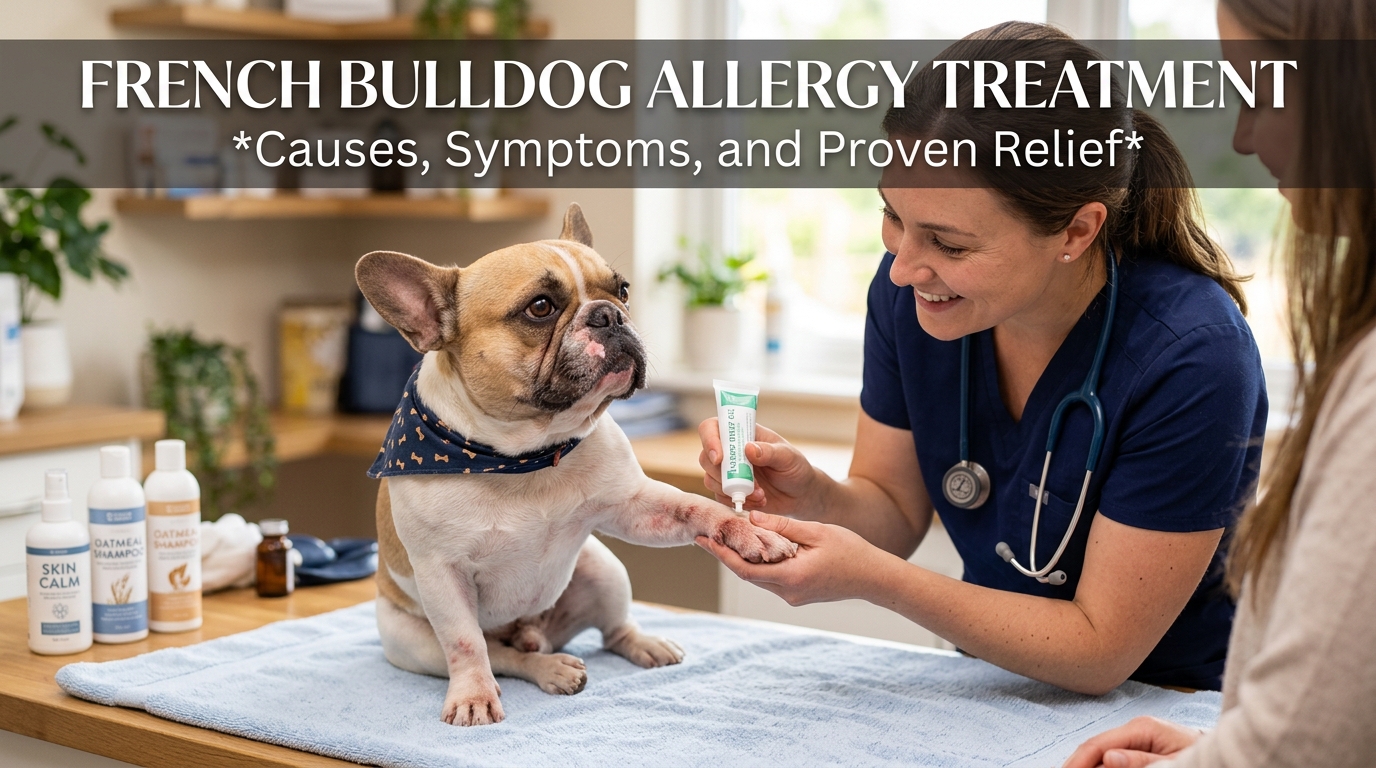
French Bulldogs are among the most beloved companion breeds in the world, admired for their affectionate personalities, playful energy, and instantly recognizable appearance. With their expressive faces, bat-like ears, and loyal nature, Frenchies quickly become more than pets — they become family members. Their friendly temperament and love for human interaction make them ideal companions for individuals, couples, and families alike.
However, behind their charming personality lies a breed that is particularly prone to allergies and chronic skin problems. In fact, French Bulldogs are widely recognized as one of the dog breeds most affected by allergic conditions, and many owners find themselves dealing with recurring skin and ear issues throughout their dog’s life.
It often starts with symptoms that seem harmless or easy to dismiss — frequent scratching, excessive paw licking, rubbing against furniture, recurring ear infections, watery eyes, or patches of red, irritated skin. Some Frenchies may constantly chew their paws, while others develop persistent facial fold irritation or unpleasant skin odors. Because these signs can appear gradually, owners may not immediately realize that allergies are the root cause.
French Bulldogs are especially vulnerable because of their unique physical characteristics. Their naturally sensitive skin, deep facial folds, compact body structure, and short coat create an environment where irritation can develop more easily and become more severe. Moisture trapped within skin folds can encourage bacteria and yeast growth, while their sensitive immune responses often make them more reactive to environmental triggers, food ingredients, and seasonal allergens.
Unlike temporary irritation that resolves on its own, allergies in French Bulldogs tend to be ongoing and can worsen over time if left unmanaged. What begins as mild itching may eventually lead to secondary infections, inflamed skin, chronic ear problems, hot spots, hair loss, or yeast overgrowth. These conditions not only affect the dog’s physical health but can also impact their comfort, sleep, mood, and overall quality of life.
Another challenge for owners is that allergies in Frenchies rarely have a single cause. Environmental factors such as pollen, dust mites, mold, and grass can trigger reactions, while certain proteins or ingredients in food may contribute to skin flare-ups and digestive issues. Even household products, shampoos, cleaning agents, or flea bites can become hidden triggers.
The good news is that with early recognition and the right approach, allergies can often be managed successfully. Understanding the common causes, recognizing the warning signs, and exploring available French Bulldog allergy treatment options can help owners take action before symptoms become severe. Early intervention not only reduces discomfort but also helps prevent long-term complications and improves the dog’s overall well-being.
In this guide, we’ll take a closer look at the most common allergy triggers in French Bulldogs, the symptoms owners should never ignore, and the treatment and management strategies that can help keep your Frenchie healthy, comfortable, and happy.
Understanding Allergies in French Bulldogs
Allergies occur when the immune system overreacts to substances that would normally be harmless to most dogs. These substances, known as allergens, can include environmental factors such as pollen, dust mites, mold, and grass, as well as food ingredients, flea bites, or even certain household products. When a French Bulldog’s immune system identifies these substances as a threat, it triggers an inflammatory response that leads to discomfort and visible symptoms.
In French Bulldogs, allergic reactions most commonly affect the skin, ears, paws, and digestive system, making the condition more noticeable and often more frustrating for both dogs and owners. Because Frenchies already have naturally sensitive skin and unique physical characteristics such as facial folds and compact bodies, allergic flare-ups can become more severe and persistent compared to many other breeds.
One important thing many owners do not realize is that allergies in dogs often look very different from allergies in humans. People typically associate allergies with symptoms like sneezing, watery eyes, runny noses, or congestion. While dogs can occasionally experience these signs, French Bulldogs usually show allergies through skin-related problems instead.
For example, a Frenchie with allergies may constantly scratch certain areas of the body, lick or chew their paws excessively, rub their face against furniture or carpets, or develop redness and irritation around the ears, belly, and skin folds. Some dogs may experience recurring ear infections, unpleasant skin odor, hair loss, or inflamed patches of skin that seem to return repeatedly despite treatment.
Paw licking is especially common in allergic French Bulldogs and is often one of the earliest warning signs owners notice. The irritation may become so intense that the skin between the toes turns red, swollen, or develops yeast infections from constant moisture and licking.
In some cases, allergies can also affect the digestive system. Food-related sensitivities may lead to symptoms such as vomiting, diarrhea, gas, bloating, or frequent stomach upset alongside skin irritation. This overlap can sometimes make identifying the exact cause more challenging.
Because allergic symptoms often develop gradually, many owners mistake them for temporary irritation, dry skin, or normal grooming behavior. However, recurring symptoms are usually a sign that an underlying allergy may be present. Recognizing these early signs is important because untreated allergies can progress into chronic inflammation, secondary infections, and long-term skin issues.
Understanding how allergies appear in French Bulldogs is the first step toward early diagnosis and effective management, helping prevent minor irritation from turning into a more serious health problem.
The most common allergy categories affecting Frenchies include:
1. Environmental Allergies (Atopic Dermatitis)
Environmental allergies, also known as atopic dermatitis, are among the most common causes of skin problems in French Bulldogs. These allergies occur when a dog’s immune system reacts to substances found in their everyday environment — things they come into contact with both indoors and outdoors.
Unlike food allergies, environmental allergies are often difficult to avoid completely because the triggers are present almost everywhere. For many Frenchies, exposure happens daily during walks, playtime, or even while resting inside the home.
Common environmental allergy triggers include:
- Grass and pollen – One of the most frequent causes of seasonal flare-ups. French Bulldogs can react after walking, rolling, or simply spending time outdoors.
- Dust mites – Tiny microscopic organisms commonly found in bedding, carpets, upholstery, and household fabrics.
- Mold spores – Mold growing in damp areas, bathrooms, poorly ventilated spaces, or outdoor environments can trigger allergic reactions.
- Household cleaning products – Floor cleaners, detergents, disinfectants, and chemical sprays may irritate sensitive skin.
- Perfumes and air fresheners – Strong fragrances, scented candles, room sprays, and personal care products can sometimes act as hidden triggers.
- Smoke exposure – Cigarette smoke, cooking fumes, and other airborne irritants may worsen symptoms.
- Seasonal changes – Shifts in weather and airborne allergens often contribute to flare-ups throughout the year.
Environmental allergies in French Bulldogs typically affect the skin, paws, ears, and face. Instead of respiratory symptoms like humans often experience, Frenchies usually develop skin irritation first.
Owners may notice signs such as:
- Constant scratching or rubbing
- Excessive paw licking or chewing
- Red or inflamed skin
- Ear irritation or recurring infections
- Rubbing the face against furniture or carpets
- Hair loss around affected areas
- Irritation within facial folds and skin creases
One of the biggest challenges with environmental allergies is that symptoms are often seasonal at first but may become year-round over time. Many French Bulldog owners notice flare-ups becoming worse during spring and summer, when pollen counts rise and grasses release allergens into the environment. Increased outdoor activity during warmer months can also expose dogs to more triggers.
However, indoor allergens such as dust mites and mold can cause symptoms even during colder seasons, meaning some Frenchies experience discomfort throughout the entire year.
If left unmanaged, repeated exposure to allergens can lead to chronic inflammation, secondary bacterial infections, yeast overgrowth, and long-term skin damage. Early identification and proper allergy management are important to keep symptoms under control and improve your Frenchie’s comfort.
Because environmental allergies are so common in this breed, they are often one of the first conditions veterinarians investigate when a French Bulldog develops recurring skin or ear problems.
2. Food Allergies and Sensitivities
A very common question among French Bulldog owners is, “Can French Bulldogs actually have food allergies?” The simple answer is yes — and in this breed, food-related sensitivities are more common than many people expect.
Food allergies occur when a French Bulldog’s immune system mistakenly identifies certain ingredients as harmful. Instead of digesting food normally, the body reacts with inflammation, which can affect the skin, ears, and digestive system. Unlike food intolerances (which mainly cause stomach upset), true food allergies often trigger broader symptoms that involve both internal discomfort and visible skin issues.
In many cases, the reaction is caused by specific proteins or additives in the diet. Even high-quality dog food can contain ingredients that a sensitive Frenchie may not tolerate well over time.
Common food allergy triggers include:
- Chicken – One of the most frequent protein allergens in dogs, despite being widely used in commercial dog food.
- Beef – Another common protein that can trigger allergic reactions in sensitive dogs.
- Dairy products – Milk, cheese, and yogurt may cause skin irritation or digestive upset in some French Bulldogs.
- Eggs – A nutritious ingredient for many dogs, but a potential allergen for others.
- Wheat – A grain that may contribute to itching, redness, or ear problems in certain dogs.
- Soy – Often used as a filler or protein source, but not well tolerated by all Frenchies.
- Artificial additives and preservatives – Colorings, flavor enhancers, and chemical preservatives can sometimes trigger sensitivity reactions.
Food allergies in French Bulldogs often show up in a combination of skin and digestive symptoms, which makes them slightly easier to suspect but sometimes harder to confirm without proper testing or elimination diets.
Common signs of food allergies include:
- Persistent itching or scratching, especially around the face, ears, paws, and belly
- Red or inflamed skin
- Recurrent ear infections
- Excessive paw licking or chewing
- Chronic gas or bloating
- Vomiting or loose stools
- Poor coat condition or hair thinning in some areas
Because these symptoms overlap with environmental allergies, food-related issues are often overlooked or misdiagnosed at first. This is why identifying and managing diet-related triggers plays an important role in effective French Bulldog food allergy treatment.
One of the most reliable ways to diagnose food allergies is through an elimination diet, where suspected ingredients are removed and slowly reintroduced under veterinary guidance. This process helps pinpoint the exact trigger and allows owners to adjust their dog’s diet more accurately.
When properly managed, many French Bulldogs show significant improvement in both skin health and digestion, leading to a more comfortable and active life.
3. Yeast and Secondary Skin Infections
French Bulldogs are naturally prone to skin issues because of their unique anatomy — especially their deep facial folds, compact body shape, and sensitive skin barrier. While these features give them their signature “squishy” and expressive appearance, they also create the perfect conditions for moisture, heat, and bacteria to build up in certain areas of the body.
When these areas stay warm and damp for too long, it can lead to an overgrowth of yeast, a naturally occurring microorganism that lives on a dog’s skin. Under normal conditions, yeast is harmless. However, when the skin environment becomes unbalanced — often due to allergies, poor airflow, or excess moisture — yeast can multiply rapidly and cause infection.
This is why yeast infections in French Bulldogs are often considered secondary conditions, meaning they frequently develop as a result of an underlying issue like environmental or food allergies.
Common areas affected by yeast infections include:
- Facial wrinkles and skin folds – Moisture and trapped debris inside folds can lead to irritation and odor
- Paws (especially between the toes) – Constant licking, sweating, and contact with surfaces create a warm, damp environment
- Ear canals – One of the most common sites for yeast overgrowth, often linked to recurring ear infections
- Armpits and underarm areas – Limited airflow makes these regions more prone to buildup
- Tail pockets or base of the tail – A hidden area where moisture and dirt can accumulate easily
Signs of yeast overgrowth in French Bulldogs may include:
- Strong, musty, or “cheesy” odor coming from the skin or ears
- Darkening or discoloration of the skin (often reddish-brown or dark brown tones)
- Greasy or oily skin texture
- Excessive scratching, licking, or chewing
- Red, inflamed, or thickened skin in affected areas
- Recurrent ear infections with brown or waxy discharge
- Hair loss in chronic cases
Yeast infections are particularly frustrating for owners because they often coexist with allergies. In fact, allergies can weaken the skin barrier and increase inflammation, making it easier for yeast to take hold. At the same time, yeast overgrowth can worsen itching and irritation, creating a cycle of discomfort that keeps repeating if not properly treated.
Because of this connection, managing yeast problems in French Bulldogs is not just about treating the infection itself — it also involves addressing the underlying cause, which is often allergy-related. This is where targeted French Bulldog yeast allergy treatment becomes essential.
Effective treatment typically focuses on restoring balance to the skin by reducing moisture, controlling inflammation, and preventing recurrence. With proper care, hygiene, and veterinary guidance, most yeast infections can be managed successfully, helping your Frenchie feel more comfortable and reducing the likelihood of chronic skin flare-ups.
Common French Bulldog Allergy Symptoms
Recognizing allergy symptoms early can make a significant difference in your French Bulldog’s comfort and long-term health. Because allergies tend to worsen over time if left untreated, early detection helps prevent complications such as chronic infections, skin damage, and ongoing discomfort.
A question many owners ask is: “How do I know if my Frenchie has allergies?” While symptoms can vary from dog to dog, there are several common warning signs that frequently point toward an allergic reaction.
Persistent Itching and Scratching
One of the most noticeable and earliest signs of allergies in French Bulldogs is constant itching and scratching. This may start mildly but gradually become more intense and frequent as the irritation worsens.
Many owners find themselves asking, “Why does my French Bulldog keep scratching so much?” In many cases, the answer lies in an underlying allergic response rather than simple dry skin or irritation.
Itching can occur anywhere on the body, but it is often concentrated around the ears, paws, face, belly, and skin folds. French Bulldogs may scratch using their paws, rub their bodies against furniture or carpets, or bite and chew at affected areas in an attempt to relieve discomfort.
Over time, excessive scratching can lead to broken skin, inflammation, and loss of the protective skin barrier, making the dog more vulnerable to bacterial or yeast infections. This creates a cycle where itching leads to skin damage, which then leads to further irritation and infection.
Because of this, persistent scratching should never be ignored. Even if it seems occasional at first, it is often one of the earliest and clearest indicators that a French Bulldog may be dealing with allergies that require attention and proper management.
Paw Licking and Chewing
A very common concern among French Bulldog owners is: “Why does my French Bulldog keep licking its paws constantly?” In many cases, this behavior is more than just a habit — it is one of the clearest early signs of allergies.
Paw licking and chewing are especially frequent in allergic French Bulldogs because the paws are in constant contact with the environment. Every walk, play session, or even short outdoor break exposes them to a wide range of potential allergens and irritants.
Common allergens affecting the paws include:
- Grass – One of the most common triggers, especially after walks or outdoor play
- Dust and dirt – Easily trapped between the toes and paw pads
- Chemicals – Cleaning products on floors, sidewalks, or lawns treated with pesticides or fertilizers
- Pollen – Seasonal allergens that cling to fur and skin
Because French Bulldogs have short coats and sensitive skin, these substances can quickly cause irritation between the toes and around the paw pads.
Why paw licking becomes a problem
What often begins as mild irritation can quickly turn into a repetitive behavior. Continuous licking may temporarily relieve itching, but it also introduces moisture into the area — creating the perfect environment for further irritation.
Over time, this can lead to:
- Redness and inflammation between the toes
- Swelling of the paw pads or surrounding skin
- Hair loss in affected areas
- Cracked or sensitive skin
- Secondary bacterial or yeast infections
- A strong odor in severe cases
In many French Bulldogs, this cycle of itching → licking → more irritation becomes ongoing unless the underlying allergy is addressed.
Because of this, persistent paw licking is not just a behavioral issue — it is often a sign that your Frenchie’s skin is reacting to something in its environment. Early recognition and proper allergy management can help break this cycle and prevent long-term discomfort.
Red and Inflamed Skin
In many French Bulldogs, allergies first become visible through noticeable changes in the skin. One of the most common signs is red, irritated, and inflamed skin, which often appears in patches and may shift locations over time depending on the severity of the reaction.
French Bulldog itchy skin is rarely just a surface issue — it is usually linked to an underlying allergic response that causes ongoing inflammation beneath the skin. Along with redness, owners may also observe:
- Dry or flaky skin
- General irritation and sensitivity when touched
- Hair thinning or patchy fur loss
- Small rash-like bumps or hot spots
As the condition progresses, constant scratching and licking can break the skin barrier. This allows bacteria to enter, which may lead to open sores, scabs, and secondary infections. Once this stage is reached, the discomfort increases significantly and healing becomes more difficult without proper treatment.
Recurring Ear Problems
Chronic ear issues are another hallmark of allergies in French Bulldogs. Because their ear canals are narrow and can trap moisture easily, they are especially prone to inflammation and infection when allergies are present.
Owners often notice recurring ear problems that seem to come back even after treatment. Common signs include:
- Frequent head shaking
- Constant ear scratching or rubbing
- Strong, unpleasant odor coming from the ears
- Dark brown or waxy discharge
- Redness or swelling inside the ear canal
These symptoms often indicate inflammation caused by allergens, making targeted French Bulldog ear allergy treatment an important part of long-term care.
If left untreated, repeated ear infections can lead to chronic discomfort and even hearing complications, so early attention is essential.
Skin Fold Irritation
One of the most distinctive features of French Bulldogs is their adorable facial wrinkles — but these folds also create a high-risk area for irritation and infection. Because the skin folds naturally trap moisture, heat, and debris, they can quickly become a breeding ground for bacteria and yeast, especially in allergic dogs.
Common signs of skin fold irritation include:
- Redness or inflammation inside the folds
- Noticeable odor from affected areas
- Damp or moist skin within wrinkles
- Ongoing irritation or sensitivity
- Yeast overgrowth or discoloration
Without regular cleaning and care, these areas can become chronically inflamed and uncomfortable. Allergies often make the problem worse by increasing skin sensitivity and moisture production.
Proper hygiene and consistent maintenance are essential for effective French Bulldog face fold allergy treatment, helping prevent recurring infections and keeping your Frenchie comfortable and healthy.
French Bulldog Environmental Allergy Treatment
Environmental Allergies: Long-Term Management and Treatment
Environmental allergies in French Bulldogs are typically a long-term condition, meaning they require ongoing care rather than a one-time cure. Because it is nearly impossible to completely eliminate environmental triggers such as pollen, dust, or mold, the goal of treatment is to reduce exposure, manage symptoms, and support skin health.
An effective French Bulldog environmental allergy treatment plan usually combines prevention strategies at home with veterinary-approved medical support when needed.
Reduce Allergen Exposure
One of the most important steps in managing environmental allergies is limiting how much contact your French Bulldog has with common triggers. Even small daily habits can make a noticeable difference in symptom control.
Practical prevention methods include:
- Clean paws after outdoor walks
Wiping your French Bulldog’s paws, legs, and belly after walks helps remove pollen, grass particles, and dust before they can irritate the skin. This is especially important for dogs requiring ongoing French Bulldog paw licking allergy treatment, as removing allergens early can reduce the urge to lick. - Wash bedding regularly
Dust mites and allergens quickly build up in beds, blankets, and soft toys. Washing bedding at least once a week using a mild, fragrance-free detergent can significantly reduce exposure. - Improve indoor air quality
Using air purifiers and keeping rooms well-ventilated can help reduce airborne irritants such as:- Dust particles
- Mold spores
- Seasonal pollen
- Maintain clean skin folds
French Bulldogs’ facial wrinkles can trap moisture and debris, making them more prone to irritation. Keeping these areas clean and dry helps prevent yeast growth and inflammation, especially in allergic dogs.
Veterinary Treatment Options
For mild cases, environmental management alone may be enough. However, for moderate to severe allergies, veterinarians often recommend medications to help control inflammation and provide effective French Bulldog allergy relief.
Common treatment options include:
- Apoquel
Apoquel works by targeting the immune pathways responsible for itching and inflammation. It helps reduce symptoms such as persistent scratching and skin irritation and is commonly used for chronic French Bulldog itchy skin cases. - Cytopoint Injections
Cytopoint is an injectable treatment that blocks itch signals in the body. It can provide relief for several weeks at a time, making it a popular option for dogs with severe or recurring allergies. - Antihistamines
Some French Bulldogs respond positively to antihistamines, which can help reduce mild allergy symptoms. However, results vary widely between dogs, so veterinary supervision is important before use.
A Combined Approach Works Best
In most cases, the most effective results come from combining environmental control, consistent hygiene, and veterinary treatment. While medications can reduce symptoms quickly, daily care routines help prevent flare-ups and improve long-term comfort.
With the right management plan, many French Bulldogs are able to live comfortable, active lives despite having environmental allergies.
French Bulldog Food Allergy Treatment
Food allergies require patience because identifying triggers can take time.
The most effective French Bulldog food allergy treatment is an elimination diet.
Step 1: Begin an Elimination Trial
The first stage involves feeding your French Bulldog a limited-ingredient or hydrolyzed diet for approximately 8–12 weeks. During this period, the goal is to give the immune system a break from potential allergens so symptoms can gradually calm down.
To ensure accurate results, it is essential to maintain strict consistency:
- Avoid all extra treats (even small ones)
- Do not feed table scraps or human food
- Avoid frequent or unnecessary food changes
- Stick strictly to the prescribed diet
Even small deviations can interfere with results and make it difficult to determine whether the diet is working.
Step 2: Monitor Symptoms Closely
Throughout the elimination period, careful observation is key. Improvements in certain symptoms often indicate that food allergies are playing a role.
Watch for changes in:
- Skin irritation and redness
- Paw licking or chewing behavior
- Frequency of ear infections
- Digestive issues such as vomiting, gas, or diarrhea
If symptoms gradually improve during this phase, it strongly suggests that a food-related trigger has been removed.
Step 3: Reintroduce Foods Carefully
Once symptoms stabilize, ingredients are slowly reintroduced one at a time. This step is critical for identifying the exact allergen responsible for reactions.
Each new ingredient should be introduced separately and monitored for any return of symptoms such as itching, digestive upset, or ear irritation. If a reaction occurs, that ingredient is likely a trigger for French Bulldog skin allergies and should be avoided in the future.
French Bulldog Paw Licking Allergy Treatment
Excessive paw licking is one of the most common and frustrating symptoms for owners, and if left untreated, it can quickly become a chronic issue. Effective management requires a combination of hygiene, prevention, and medical care when necessary.
Key treatment strategies include:
- Daily paw cleaning
After walks, clean your French Bulldog’s paws to remove pollen, dust, and chemical residues that may trigger irritation. - Use of paw wipes
Veterinary-approved wipes can help soothe the skin and reduce exposure to allergens while keeping the area clean. - Moisture control
Always dry the paws thoroughly after cleaning or outdoor activity. Moist environments between the toes create ideal conditions for yeast growth. - Treat secondary infections
Persistent licking can lead to bacterial or yeast infections. If redness, odor, or swelling develops, professional veterinary treatment may be required.
By combining a structured elimination diet with proper paw care and symptom monitoring, owners can significantly reduce allergic flare-ups and better manage long-term French Bulldog allergy-related skin issues.
French Bulldog Yeast Allergy Treatment and Skin Care
Yeast overgrowth is one of the most frustrating complications seen in allergic French Bulldogs. While yeast naturally lives on a dog’s skin in small amounts, problems arise when allergies or moisture disrupt the skin’s balance, allowing it to multiply rapidly. Because French Bulldogs already have skin folds and sensitive skin, they are especially prone to this type of secondary infection.
Common Signs of Yeast Overgrowth
Yeast infections often have a very distinctive set of symptoms, which can help owners identify the issue early:
- Strong, musty, or “cheesy” odor
- Greasy or oily skin texture
- Brown or rust-colored staining on fur or skin
- Persistent itching and scratching
- Red, inflamed, or irritated skin
- Recurring ear or paw infections
These symptoms often appear in combination with underlying allergies, which is why yeast issues tend to keep coming back if the root cause is not addressed.
Proper French Bulldog Yeast Allergy Treatment Strategy
Effective treatment focuses on both controlling the yeast itself and preventing conditions that allow it to return.
1. Keep skin folds dry
Moisture is one of the biggest contributors to yeast growth. Regularly drying skin folds after cleaning, bathing, or outdoor activity helps prevent fungal buildup.
2. Routine wrinkle cleaning
French Bulldogs require gentle daily care of their facial wrinkles. Cleaning these areas removes trapped dirt, oils, and moisture that can lead to irritation and infection.
3. Medicated products
In more severe cases, veterinarians may prescribe targeted treatments such as:
- Antifungal wipes
- Medicated shampoos
- Topical antifungal creams or solutions
These help reduce yeast populations and soothe inflamed skin.
However, it’s important to understand that treating yeast alone is not enough. If the underlying allergy is not managed, infections often return repeatedly.
Best Shampoo for French Bulldog Allergies
Bathing can play a key role in managing skin allergies, but choosing the right product is essential. Many owners specifically search for the best shampoo for French Bulldog allergies to help soothe irritation and maintain skin health.
Look for shampoos that are:
- Designed for sensitive skin
- Oatmeal-based for soothing relief
- Hypoallergenic and fragrance-free
- Formulated for antifungal or medicated care when needed
- Recommended or approved by veterinarians
Avoid shampoos with:
- Artificial fragrances
- Harsh chemical detergents
- Strong stripping agents that remove natural skin oils
It is also important to avoid overbathing, as excessive washing can dry out the skin and worsen irritation, especially in already sensitive French Bulldogs.
Home Remedies for French Bulldog Allergies
In addition to veterinary treatment, some owners explore supportive home care strategies to help manage mild symptoms or complement medical treatment.
Common supportive measures include:
- Omega-3 supplements
These may help support skin barrier health and reduce inflammation over time. - Regular bedding hygiene
Washing bedding frequently helps reduce exposure to dust mites and environmental allergens. - Air purification
Air purifiers can help reduce indoor allergens such as pollen, dust, and mold spores. - Gentle skin care routines
Consistent cleaning of paws, ears, and facial folds can significantly reduce irritation and prevent flare-ups.
While many people search for how to treat French Bulldog allergies naturally, it’s important to understand that natural remedies are best used as supportive care, not replacements for veterinary treatment. In moderate to severe cases, professional guidance is essential to prevent chronic infections and long-term discomfort.
With the right combination of hygiene, medication when needed, and environmental management, most French Bulldogs with allergies can achieve significantly improved skin health and comfort.
When Should You See a Veterinarian?
While mild itching or occasional paw licking can sometimes be managed at home, there are situations where professional veterinary care becomes essential. French Bulldog allergies can escalate quickly, and delaying treatment may lead to more serious complications such as infections, chronic skin damage, or long-term discomfort.
You should seek veterinary help immediately if your French Bulldog develops any of the following symptoms:
- Noticeable hair loss or patchy fur
- Open wounds or broken skin
- Bleeding or severely irritated skin
- Intense, nonstop scratching or biting
- Recurrent or persistent ear infections
- Swelling in affected areas
- Oozing, infected hot spots
- Strong or persistent unpleasant skin odor
These signs often indicate that the condition has moved beyond mild irritation and may involve secondary bacterial or yeast infections or uncontrolled inflammation. In such cases, home care alone is usually not enough, and medical treatment is necessary to prevent further deterioration.
Early veterinary intervention not only helps relieve your dog’s discomfort more quickly but also reduces the risk of long-term skin damage and recurring flare-ups.
Final Thoughts
Managing allergies in French Bulldogs requires patience, consistency, and a well-balanced care approach. There is no single universal cure, which is why the most effective French Bulldog allergy treatment depends on identifying and controlling the underlying trigger — whether it is environmental allergens, food sensitivities, or yeast-related skin conditions.
If your Frenchie shows signs such as itchy skin, persistent scratching, paw chewing, or recurring ear irritation, early action can make a significant difference in both comfort and long-term health.
With the right combination of:
- Proper hygiene and skin care
- Thoughtful dietary management
- Environmental control at home
- And timely veterinary support
owners can significantly reduce allergy flare-ups and improve their dog’s quality of life.
Ultimately, consistent care and early intervention can help your French Bulldog stay healthier, more comfortable, and much happier — even with chronic allergies.