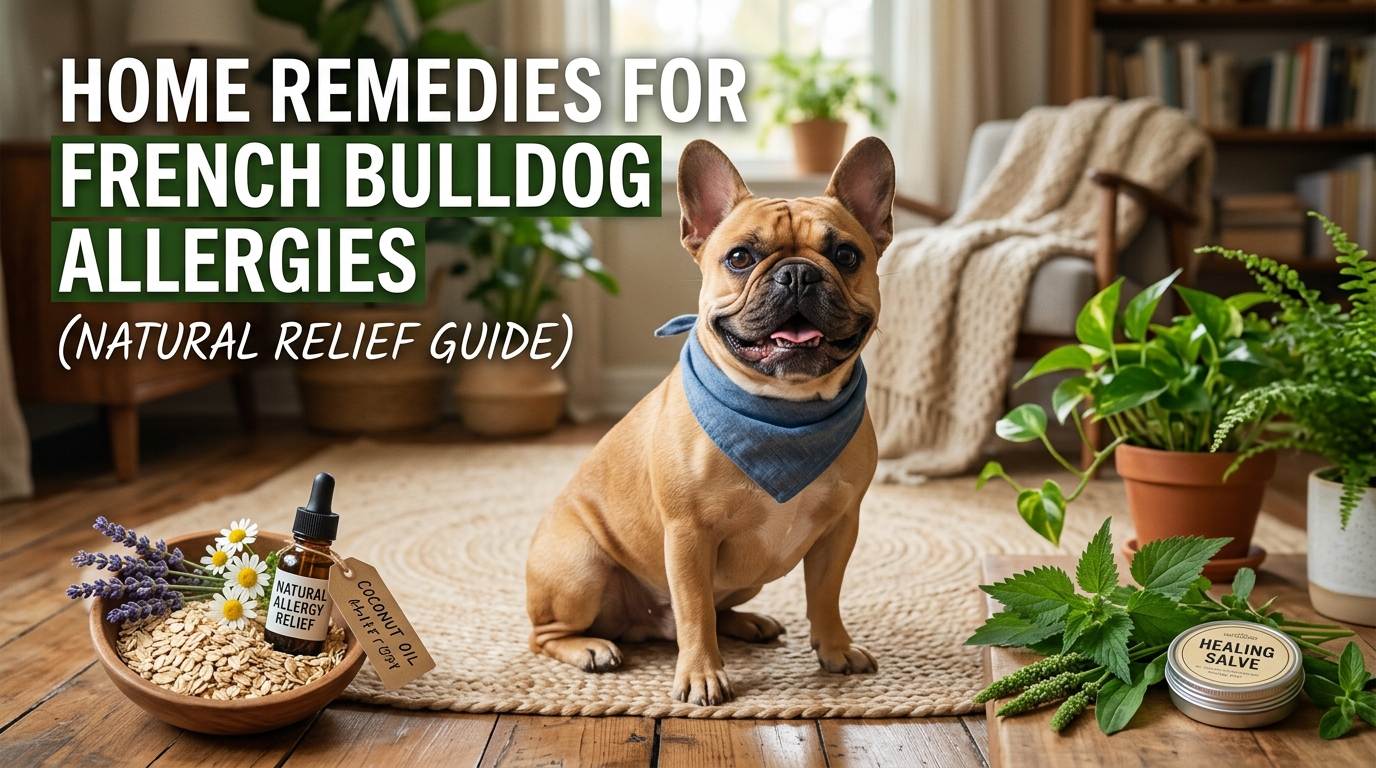
French Bulldog allergies are a fairly common issue among pet owners because this breed tends to have sensitive skin and a compact facial structure that can make them more prone to irritation. Allergic reactions in French Bulldogs are usually triggered by a combination of environmental factors, food sensitivities, and contact irritants. Common environmental triggers include pollen, dust mites, mold, and grasses, while food-related allergies may come from ingredients like chicken, beef, dairy, or certain grains. In some cases, even everyday products such as shampoos, cleaning detergents, or plastic food bowls can contribute to skin flare-ups.
When a French Bulldog is experiencing allergies, the symptoms often show up on the skin first. You may notice persistent itching, excessive scratching, redness, inflamed skin, or frequent paw licking and chewing. Some dogs also develop ear infections, hotspots, hair thinning, or a noticeable odor due to secondary yeast or bacterial infections. Because French Bulldogs already have skin folds, moisture and allergens can easily get trapped, making irritation worse if not managed properly.
For mild cases, many owners try dog allergy home remedies to reduce discomfort and support skin health. Regular bathing with a gentle, hypoallergenic or oatmeal-based shampoo can help soothe itching and remove allergens from the coat. Keeping the dog’s living environment clean—such as washing bedding frequently, vacuuming carpets, and reducing dust—can also make a noticeable difference. Some owners find that adding omega-3 fatty acids (like fish oil) to the diet helps improve skin barrier health over time. Wiping the dog’s paws and body after outdoor walks can also reduce exposure to pollen and grass allergens.
Diet adjustments are another important part of home care. Switching to a limited-ingredient or hypoallergenic diet may help identify and eliminate food triggers. However, changes should be made gradually to avoid upsetting digestion. Ensuring proper hydration and avoiding low-quality treats with artificial additives can also support overall skin health.
While home remedies can help manage mild symptoms, persistent or severe allergies should not be ignored. If the itching becomes intense, if there are open sores, recurring ear infections, or if symptoms do not improve with basic care, a veterinarian should evaluate the dog. In some cases, prescription medications, allergy testing, or specialized treatment plans may be necessary to control the condition effectively and prevent it from worsening.
Understanding French Bulldog Skin Allergies
In most cases, French Bulldog skin issues develop due to a combination of environmental allergens, food sensitivities, and external parasites. Environmental triggers such as pollen, dust mites, mold spores, and grass are among the most common causes, especially since these allergens are easily carried indoors on clothing, shoes, or through open windows. When a French Bulldog comes into contact with these irritants, their immune system may overreact, leading to inflammation and ongoing discomfort. This often results in what is commonly known as dog skin allergies, where the skin becomes highly sensitive and reactive over time.
Food sensitivities are another major factor. Some French Bulldogs may develop allergic reactions to specific ingredients in their diet, such as beef, chicken, dairy products, wheat, or artificial additives and preservatives. Unlike environmental allergies, food-related reactions tend to be more consistent and can cause long-term skin problems if the trigger food is not identified and removed. Symptoms may include chronic itching, ear infections, paw licking, and digestive issues in some cases.
Flea bites can also play a significant role, even if only a single flea is present. Many French Bulldogs are allergic to flea saliva, meaning that even one bite can trigger intense itching, redness, and skin irritation. This condition, known as flea allergy dermatitis, can quickly worsen if flea control is not properly maintained.
These allergic reactions often lead to persistent skin inflammation, which can severely impact a dog’s comfort and overall quality of life. Affected dogs may scratch or chew excessively, develop hot spots, experience hair loss, or show signs of restlessness due to constant irritation.
Early identification of the underlying cause is extremely important. Recognizing symptoms early allows pet owners to take action before the condition becomes severe or leads to secondary infections. Consistent care—such as regular grooming, maintaining a clean environment, using veterinarian-approved flea prevention, and adjusting diet when necessary—can significantly reduce flare-ups. With proper management, most French Bulldogs can enjoy healthier skin and a much more comfortable daily life.
1. Oatmeal Baths for Itchy Skin Relief
One of the most widely used and veterinarian-approved home care methods for soothing irritated skin is an oatmeal bath. Colloidal oatmeal is finely ground oats that dissolve easily in water and are known for their natural anti-inflammatory, moisturizing, and skin-protecting properties. It works by forming a gentle protective barrier on the skin, which helps lock in moisture while calming irritation, redness, and constant itching.
For dogs suffering from mild allergies or seasonal flare-ups, an oatmeal bath can be an effective itchy dog treatment that provides quick, temporary relief. It is especially helpful when the skin becomes dry, inflamed, or irritated due to environmental allergens such as pollen or dust. The soothing compounds in oatmeal help reduce histamine reactions on the skin, which are often responsible for itching and discomfort.
To prepare the bath, lukewarm water should be used, as hot water can worsen irritation and dry out the skin further. Colloidal oatmeal is then mixed thoroughly into the water until it creates a milky, smooth consistency. The dog should be gently soaked or bathed for about 10–15 minutes, allowing the solution to fully coat the affected areas. During this time, gently massaging the skin can help the oatmeal penetrate more effectively and provide better relief.
After the bath, it is important to rinse lightly (if needed) and dry the dog carefully by patting with a soft towel instead of rubbing, which can further irritate sensitive skin. Regular oatmeal baths, depending on severity, can be used as part of ongoing dog itching remedies to manage symptoms during allergy seasons or flare-ups.
While oatmeal baths can significantly improve comfort and reduce itching, they do not treat the underlying cause of allergies. Therefore, they are best used as part of a broader care routine that includes identifying triggers, maintaining good hygiene, and consulting a veterinarian if symptoms persist or worsen.
2. Regular Cleaning of Paws and Skin
For dogs affected by environmental allergies, maintaining a consistent cleaning routine is one of the most effective and practical forms of at-home care. This approach is especially important because allergens like pollen, dust, grass particles, and mold spores easily cling to a dog’s paws, coat, and skin after outdoor exposure. In breeds like French Bulldogs, which have facial folds and sensitive skin, these particles can become trapped and continue to cause irritation long after the walk is over.
Regular cleaning is a key part of pet allergies treatment at home because it helps physically remove these irritants before they have a chance to trigger or worsen an allergic reaction. Even a small amount of leftover pollen or dust can lead to ongoing itching, redness, and discomfort if it repeatedly comes into contact with the skin.
A simple but effective habit is to wipe your French Bulldog’s paws immediately after every walk using a soft, damp cloth or pet-safe hypoallergenic wipes. This helps eliminate allergens from the paw pads and between the toes, which are common areas for irritation and licking. It is also important to gently clean the belly area, as it often brushes against grass and outdoor surfaces where allergens are present.
In addition, extra attention should be given to facial folds, which are a distinctive feature of French Bulldogs. These folds can easily trap moisture, dirt, and allergens, creating an environment that may lead to irritation or even infections if not cleaned regularly. Using a soft cloth to gently clean and dry these areas helps maintain skin hygiene and prevents buildup.
When practiced consistently, this routine can significantly improve dog allergy relief by reducing overall exposure to environmental triggers. While it may seem like a simple step, regular cleaning plays a major role in minimizing flare-ups and supporting long-term skin health, especially when combined with other allergy management strategies.
3. Managing Dog Food Allergies
Food sensitivities are another major cause of chronic skin irritation and discomfort in French Bulldogs. Unlike environmental allergies, which fluctuate with seasons or surroundings, food-related reactions tend to persist consistently as long as the triggering ingredient remains in the dog’s diet. Common culprits include protein sources such as chicken, beef, and dairy, as well as carbohydrates like wheat, corn, or soy. In some cases, artificial flavorings, preservatives, or low-quality fillers can also contribute to ongoing irritation.
When a dog has food-related allergies, the immune system mistakenly identifies certain ingredients as harmful, which leads to inflammatory responses. This often shows up as persistent itching, recurring ear infections, paw licking, gastrointestinal sensitivity, and overall skin discomfort. Because these symptoms overlap with other allergy types, identifying food triggers can sometimes take time and careful observation.
One of the most effective ways to manage dog food allergies is by switching to a limited-ingredient or hypoallergenic diet. These diets are designed with fewer components, making it easier to isolate and identify which ingredient may be causing the reaction. In many cases, veterinarians recommend an elimination diet trial, where the dog is fed a simplified diet containing a single protein and carbohydrate source that they have not been exposed to before.
It is very important that any dietary transition is done gradually over a period of 7–10 days. Sudden changes in food can upset the digestive system and may make it harder to distinguish allergy symptoms from normal digestive adjustment. Gradually mixing the new food with the old food allows the dog’s system to adapt smoothly while reducing the risk of stomach upset.
During this process, consistent monitoring is essential. Improvements in skin condition, reduced itching, and better overall comfort can indicate that the new diet is helping manage food allergy symptoms in French Bulldogs. However, since food allergies can be complex and sometimes overlapping with environmental factors, ongoing care and veterinary guidance are often necessary to achieve long-term relief and proper home management.
4. Maintaining Clean Skin Folds
Proper hygiene is a crucial part of bulldog skin care, especially for French Bulldogs, whose natural skin folds can easily trap moisture, dirt, food particles, and environmental debris. These folds—most commonly found around the face, nose, neck, and sometimes the body—create warm, enclosed areas where bacteria and yeast can quickly multiply if not cleaned regularly. Over time, this buildup can contribute to persistent irritation, unpleasant odor, redness, and worsening French Bulldog skin issues.
When moisture remains trapped inside the folds, it creates an ideal environment for microbial growth. This can lead to conditions such as yeast infections or bacterial dermatitis, both of which can intensify itching and discomfort. Dogs may respond by scratching, rubbing their face against furniture, or showing signs of sensitivity when the area is touched.
To prevent these problems, regular cleaning of skin folds is essential. Using a soft, damp cloth or vet-approved gentle wipes, owners should carefully clean between each fold to remove any accumulated dirt or allergens. It is important to be gentle during this process to avoid irritating the sensitive skin in these areas.
Equally important is thorough drying after cleaning. Leaving moisture behind can actually make the problem worse, as damp conditions encourage bacterial and yeast growth. Gently patting the folds dry with a clean, soft towel helps ensure that no excess moisture remains trapped in the skin.
When done consistently, this simple routine can significantly reduce irritation and lower the risk of infections. Maintaining clean and dry skin folds not only helps manage existing skin issues but also plays a preventive role in keeping French Bulldogs more comfortable and less prone to recurring flare-ups.
5. Coconut Oil for Skin Comfort
Coconut oil is often used as a natural supportive remedy in sensitive skin dog care routines, particularly for managing mild dryness, flakiness, and localized irritation. It contains natural fatty acids, especially lauric acid, which have moisturizing and mild antimicrobial properties. When applied correctly, it can help soften the skin, reduce dryness, and provide temporary relief from itching caused by minor environmental irritation or dry skin conditions.
For dogs experiencing mild discomfort, a very small amount of coconut oil can be gently applied to affected areas such as dry patches, irritated spots, or lightly inflamed skin. It works by forming a thin protective layer over the skin, which helps lock in moisture and reduce further dryness. This can be especially helpful in French Bulldogs, whose sensitive skin is more prone to environmental stress and dehydration.
However, it is important to use coconut oil carefully and in moderation. Only a thin layer should be applied externally, as excessive use can make the coat greasy and may lead to clogged pores or increased dirt buildup on the skin. In addition, since dogs naturally lick their skin, there is a possibility that some coconut oil will be ingested. While small amounts are generally considered safe, consuming too much can sometimes cause digestive upset, such as loose stools or mild stomach discomfort.
Because of this, coconut oil should be used sparingly and only as part of a broader skin care routine rather than as a primary treatment for allergies or chronic skin conditions. It is most effective for short-term soothing of mild irritation rather than long-term management of underlying allergic causes.
When used thoughtfully, coconut oil can be a helpful addition to managing dry, sensitive skin in French Bulldogs, but it works best alongside proper hygiene, allergen control, and veterinary guidance when dealing with ongoing or severe skin issues.
6. Flea Prevention and Control
Fleas are one of the most common and powerful triggers of allergic skin reactions in dogs, and they can cause significant discomfort even with minimal exposure. In many sensitive dogs, including French Bulldogs, a single flea bite can be enough to trigger a strong immune response due to flea allergy dermatitis. This condition occurs when the dog is allergic to proteins in flea saliva, leading to intense itching, redness, swelling, and ongoing irritation that can persist long after the bite itself.
Because fleas reproduce quickly and can spread easily in the home environment, prevention is far more effective than treatment after infestation. A comprehensive flea control routine plays a vital role in effective itchy dog treatment and long-term skin health management.
Maintaining proper hygiene is an important first step. Regular bathing and grooming help remove any fleas or flea dirt (tiny black specks of digested blood) that may be present on the coat. In addition, washing your dog’s bedding, blankets, and any fabric they frequently contact in hot water helps eliminate flea eggs and larvae that may be hidden in the environment.
Environmental control is equally important. Vacuuming carpets, rugs, sofas, and other soft surfaces regularly can significantly reduce the chances of flea infestation by removing eggs and preventing them from developing into adult fleas. Since fleas can survive in household spaces, consistent cleaning is essential for breaking their life cycle.
In addition to home hygiene measures, the use of vet-approved flea prevention products is strongly recommended. These may include topical treatments, oral medications, or flea collars designed to protect dogs from infestation. These products work by either killing fleas on contact or preventing them from reproducing, thereby reducing the risk of allergic flare-ups.
When combined, these preventive steps create a strong defense against flea-related irritation and help maintain healthier skin in dogs prone to allergies. Consistent flea control not only reduces itching and discomfort but also plays a key role in preventing secondary skin infections that can develop from constant scratching and skin damage.
7. Omega-3 Supplements for Skin Health
Omega-3 fatty acids, commonly found in fish oil and certain plant-based oils, are widely recommended for supporting skin and coat health in dogs, especially those prone to allergies and chronic skin irritation. These essential fatty acids—primarily EPA (eicosapentaenoic acid) and DHA (docosahexaenoic acid)—play an important role in reducing inflammation within the body, which is one of the main underlying factors in many dog skin allergies.
When a dog experiences allergic reactions, the immune system often triggers inflammation in the skin, leading to symptoms such as redness, itching, dryness, and overall discomfort. Omega-3 supplements help counteract this response by supporting the skin’s natural barrier function and reducing the intensity of inflammatory reactions over time. As a result, the skin becomes less reactive to environmental allergens such as pollen, dust, or grass.
In addition to reducing inflammation, omega-3 fatty acids also help improve skin hydration and coat quality. They support the production of natural oils that keep the skin moisturized, which can reduce dryness, flakiness, and excessive shedding. Over time, dogs may develop a softer, shinier coat and experience fewer flare-ups related to skin sensitivity.
Because of these benefits, omega-3 supplements are often included as part of a natural dog allergy treatment plan. They are typically given in the form of fish oil capsules or liquid supplements added to food. However, correct dosage is important, as too much oil can sometimes lead to digestive upset or weight gain. For this reason, it is best to follow veterinary guidance when introducing any supplement into a dog’s routine.
It is also important to understand that omega-3 supplements are not a quick fix. Instead, they work gradually and are most effective when used consistently over time as part of a broader skin care and allergy management strategy. This may include proper grooming, allergen control, and dietary adjustments.
When used appropriately, omega-3 fatty acids can significantly support long-term skin health and help reduce the frequency and severity of dog skin allergy symptoms, making them a valuable addition to ongoing at-home care.
When to Consult a Veterinarian
While home care strategies can be very helpful for managing mild and occasional symptoms, it is important to recognize when professional veterinary support is necessary. Allergies in dogs can sometimes progress or become complicated by secondary infections, so ignoring persistent symptoms may lead to worsening discomfort and more serious skin problems over time.
You should consult a veterinarian if your dog shows any of the following signs:
- Continuous itching lasting more than 1–2 weeks
Persistent scratching, licking, or biting that does not improve with basic home care often indicates an underlying issue that requires medical evaluation. This may be due to environmental allergies, food sensitivities, or parasites that cannot be managed with home remedies alone. - Hair loss or visible skin damage
Bald patches, scabs, sores, or thickened skin can suggest chronic irritation or secondary infections. These conditions often require targeted treatment to heal properly and prevent further damage. - Frequent ear infections
Recurring ear infections are commonly linked to allergies in French Bulldogs. Symptoms such as head shaking, ear odor, redness, or discharge should be checked by a vet, as untreated infections can become painful and persistent. - No improvement with dog itching remedies
If symptoms do not improve despite consistent use of home treatments such as bathing, cleaning routines, or dietary adjustments, it is a strong indication that a more specific diagnosis and treatment plan is needed.
In some cases, French Bulldogs with chronic or severe allergies may require advanced medical care. This can include prescription medications to control inflammation and itching, medicated shampoos, or specialized allergy testing to identify exact triggers. Long-term management plans may also be recommended by a veterinarian to help reduce flare-ups and improve quality of life.
Conclusion
Managing French Bulldog allergies requires consistency, patience, and a well-rounded care approach. Many mild cases can be effectively managed using simple dog allergies home remedies such as regular cleaning, dietary adjustments, flea prevention, and skin care routines. However, because allergies can vary in severity and cause, it is essential to monitor symptoms closely. If problems persist or worsen, veterinary evaluation is the safest and most effective way to ensure proper treatment and long-term relief for your dog.