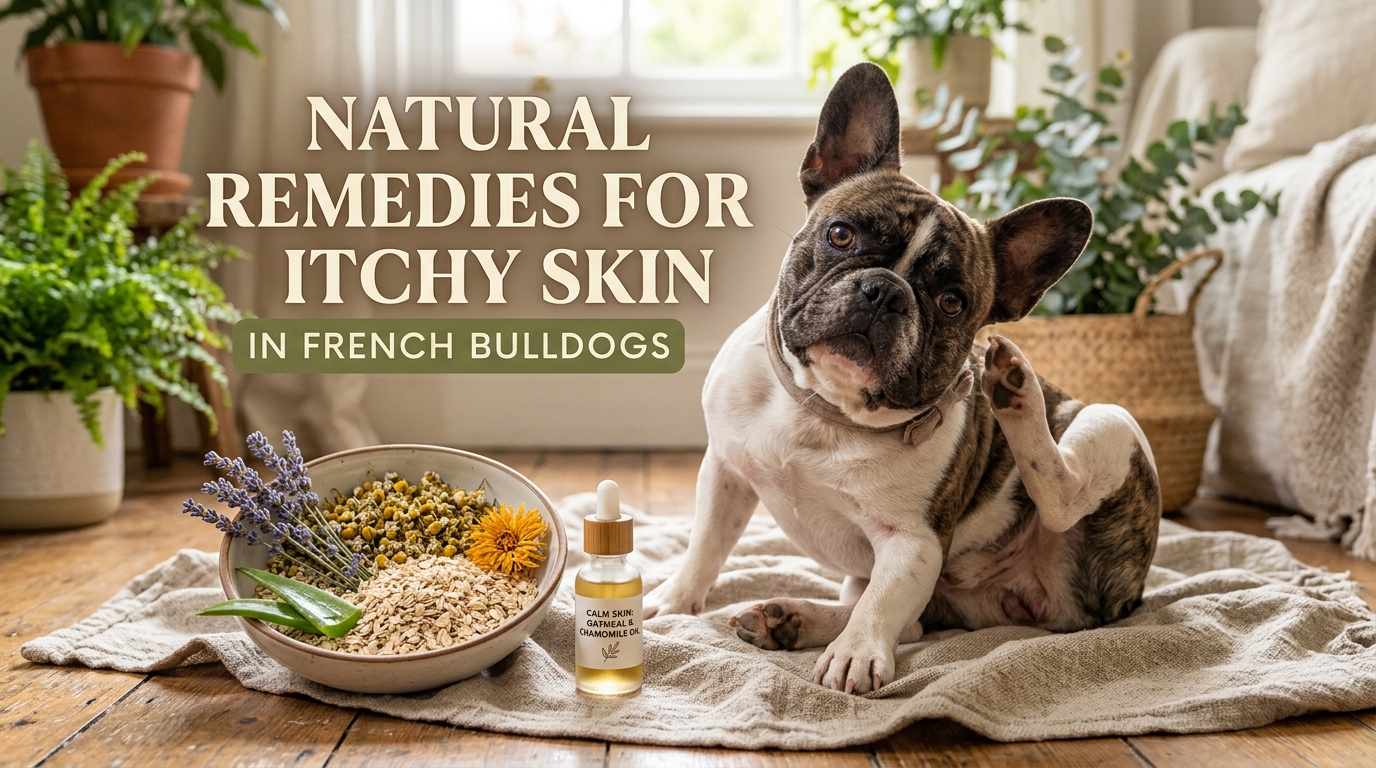
Itchy skin is a very common issue in French Bulldogs, and it’s something many owners notice early on because the breed is naturally prone to skin sensitivity. When a French Bulldog starts scratching frequently, licking paws, rubbing against furniture, or developing redness and irritation, it usually signals an underlying skin problem rather than just a minor itch.
In many cases, this discomfort is linked to allergies or a condition known as atopic dermatitis, where the immune system overreacts to environmental triggers such as pollen, dust mites, mold, or even certain foods. Because French Bulldogs have compact bodies, skin folds, and a sensitive skin barrier, irritants can get trapped more easily and cause inflammation, odor, or recurring flare-ups if not managed properly.
Natural approaches that may help relieve itchy skin
While persistent or severe symptoms should always be checked by a veterinarian, many owners try gentle, natural strategies to support skin health and reduce irritation:
1. Improving diet quality and identifying food sensitivities
A simple but important step is evaluating what your dog eats. Some French Bulldogs react to common proteins like chicken, beef, or dairy, or to additives in lower-quality dog foods. Switching to a limited-ingredient diet or hypoallergenic formula can sometimes reduce inflammation from within. Omega-3 fatty acids (from fish oil) are also commonly used to support skin barrier health and reduce dryness.
2. Regular but gentle bathing
Bathing helps remove allergens like pollen and dust that stick to the coat. However, overbathing can dry out the skin, so balance is important. Using a mild, fragrance-free, or oatmeal-based shampoo can soothe irritation. Many owners find that a lukewarm bath once every 1–2 weeks during flare-ups is helpful.
3. Moisturizing and skin barrier support
Dry skin can worsen itching, so keeping the skin hydrated is important. Natural moisturizers like aloe vera (pet-safe formulations only) or vet-approved soothing balms can help calm irritated areas, especially around paws and folds.
4. Keeping skin folds clean and dry
French Bulldogs have facial and body folds where moisture, bacteria, and yeast can accumulate. Gently cleaning these areas with a soft cloth and ensuring they stay dry can prevent infections that often make itching worse.
5. Environmental control for allergens
If allergies are a trigger, small environmental changes can make a difference. Washing bedding regularly, vacuuming frequently, and reducing exposure to dust or pollen-heavy areas during peak seasons can help minimize flare-ups.
6. Stress reduction and routine stability
Stress can sometimes worsen itching behaviors. Maintaining a consistent routine, providing mental stimulation, and ensuring enough rest can indirectly support healthier skin by reducing compulsive scratching or licking.
1. Oatmeal baths for skin relief
Oatmeal baths are one of the most widely recommended and gentle home remedies for dogs suffering from skin irritation, itching, or dryness. They are especially useful for breeds like French Bulldogs, which are prone to skin allergies and sensitivity due to their delicate skin folds and reactive skin type. The natural compounds found in oatmeal help calm irritation, reduce redness, and restore moisture to the skin without causing any harsh side effects.
To prepare this remedy, finely ground colloidal oatmeal is used because it dissolves easily in water and creates a soothing, milky mixture. This mixture is added to lukewarm bath water, which helps avoid further irritation since hot water can make itching worse. The oatmeal water coats the dog’s skin and forms a protective layer that helps relieve discomfort.
During the bath, the dog should be kept in the water for about 10 to 15 minutes, while the oatmeal solution is gently poured over affected areas such as the paws, belly, and legs. Instead of scrubbing, the solution is allowed to sit on the skin so it can naturally calm inflammation and reduce the urge to scratch.
After bathing, the coat should be rinsed lightly if needed and then carefully dried using a soft towel. It is important to ensure the dog is fully dry, especially in skin folds, to prevent moisture buildup that could lead to infection or further irritation.
This method is commonly used for soothing mild allergies, seasonal itching, dry patches, and general skin sensitivity in dogs, and is considered a safe and natural option for at-home skin care.
2. Coconut oil for dry or irritated skin
Coconut oil is commonly used as a natural supportive remedy for dogs with mild dry, flaky, or irritated skin. It is often included in home care routines because it contains natural fatty acids, especially lauric acid, which can help moisturize the skin and provide a light soothing effect. However, while it can be helpful in some cases, it is not a cure for underlying allergies or infections, so it should be used carefully and in moderation.
When applying coconut oil, only a very small amount should be used, and it should be gently rubbed onto the affected areas of the skin. It works best on dry patches, rough spots, or areas where the skin appears flaky. It is important not to overapply it, because too much oil can make the coat greasy and may even trap dirt or bacteria on the skin.
After application, care should be taken to prevent the dog from licking the treated area excessively. While small amounts of coconut oil are generally not harmful, too much ingestion can sometimes cause stomach upset. For this reason, it is best to apply it in thin layers and monitor your dog afterward.
Coconut oil can provide temporary relief and improve skin hydration, but it should be used cautiously, especially in dogs with known allergies or very sensitive skin. If irritation continues or worsens, it may indicate an underlying condition that needs veterinary attention rather than just home treatment.
3. Omega-3 fatty acids for skin health
Omega-3 fatty acids play an important role in maintaining healthy skin in dogs, especially those dealing with long-term itching, allergies, or recurring skin irritation. Unlike topical remedies that work on the surface, Omega-3 works from inside the body by improving overall skin health through diet. It is commonly recommended in cases where owners are looking for natural, long-term ways to reduce itching in French Bulldogs without relying immediately on medication.
These healthy fats are usually found in fish oil (such as salmon oil) and work by helping to reduce inflammation in the body. Since many skin allergies and chronic itching problems are linked to internal inflammation, Omega-3 can help calm the immune response that triggers redness, scratching, and irritation. Over time, this can make the skin less reactive to allergens like dust, pollen, or certain foods.
In addition to reducing inflammation, Omega-3 also supports the skin barrier, which helps the skin retain moisture more effectively. This leads to a healthier, shinier coat and less dryness or flakiness. However, the best results are usually not immediate; they are seen with consistent, long-term use as part of a balanced diet.
Overall, Omega-3 fatty acids are widely used as a natural supportive approach for managing dog skin allergies and irritation. While they are not a quick fix, they can significantly improve skin condition over time when used regularly and in the correct dosage recommended for the dog’s size and needs.
4. Gentle bathing and grooming routine
A proper bathing and grooming routine is very important for managing skin health in dogs, especially those that suffer from allergies or frequent itching. While bathing helps remove dirt, allergens, and irritants from the coat, it must be done carefully because too much washing or harsh products can actually make skin problems worse instead of better.
It is best to use a mild, fragrance-free dog shampoo, as strong perfumes and chemicals can irritate sensitive skin and trigger more itching. These gentle shampoos help clean the coat without stripping away the natural oils that protect and moisturize the skin. Maintaining these natural oils is essential for keeping the skin barrier healthy and preventing dryness.
Bathing should also not be done too frequently. In most cases, washing every 2 to 4 weeks is enough unless a veterinarian recommends otherwise. Over-bathing can remove essential oils from the skin, leading to increased dryness, flakiness, and irritation, which can worsen itching over time.
After bathing, it is very important to rinse the coat thoroughly. Any leftover shampoo residue can cause irritation and make the skin feel itchy again. The coat should then be dried properly, especially in areas like skin folds where moisture can get trapped and lead to infections.
Overall, a gentle and balanced grooming routine helps maintain skin health, reduces exposure to allergens, and supports long-term comfort for dogs with sensitive or allergy-prone skin.
5. Diluted apple cider vinegar spray
Diluted apple cider vinegar is sometimes used as a simple home remedy for dogs with mild skin irritation or minor yeast-related issues. It is thought to help by restoring the skin’s natural pH balance and creating an environment that is less favorable for yeast and bacteria growth. Because of this, some pet owners use it as a supportive option for light itching or odor caused by skin imbalance.
To prepare the solution, apple cider vinegar is mixed with an equal amount of water to reduce its strength and make it safer for the skin. This dilution is important because undiluted vinegar is too harsh and can easily cause burning or further irritation, especially on sensitive skin.
The mixture is usually applied by lightly spraying it onto the affected areas of the skin or using a soft cloth to dab it gently onto the coat. It should never be applied to open wounds, broken skin, or areas that are already inflamed, as it may cause discomfort and worsen the condition.
After application, it is important to observe the dog closely. If any redness, stinging, or increased itching occurs, the treatment should be stopped immediately. While this remedy may provide mild relief in some cases, it is not suitable for all dogs and should be used cautiously, especially in pets with very sensitive or allergy-prone skin.
6. Environmental management
A major cause of ongoing itching and skin irritation in dogs is their environment. Even if you treat the skin directly, symptoms can keep coming back if allergens in the surroundings are not controlled. This is especially true for French Bulldogs, who are often sensitive to dust, pollen, mold, and other environmental triggers.
To reduce irritation, it is important to keep the dog’s living space as clean as possible. Washing bedding regularly in hot water helps remove dust mites, bacteria, and allergens that can build up over time. Frequent cleaning of carpets, rugs, and upholstery through vacuuming also helps reduce exposure to hidden irritants that may trigger itching.
In addition, minimizing contact with outdoor allergens like pollen can make a big difference. This may include wiping the dog’s paws and coat after walks, especially during high pollen seasons, to prevent allergens from spreading across the skin. A clean environment plays a key role in reducing repeated allergic flare-ups and supporting overall skin health.
7. Flea prevention and control
Fleas are one of the most common and often overlooked causes of intense itching in dogs. Even a small number of fleas can trigger severe scratching, especially in sensitive breeds like French Bulldogs. Some dogs are also allergic to flea saliva, which can cause extreme irritation even from a single bite.
Because of this, flea prevention should always be considered a first step when dealing with skin problems. Regular flea control treatments, as recommended by a veterinarian, help prevent infestations before they start. It is also important to check the dog’s coat regularly, especially around the neck, belly, and tail area where fleas tend to hide.
Ignoring flea problems can lead to worsening skin damage, hair loss, and secondary infections caused by excessive scratching. That’s why consistent prevention is much easier and more effective than trying to treat an active infestation later.
When veterinary advice is necessary
While home remedies and environmental care can help manage mild skin irritation, there are situations where professional veterinary attention becomes essential. If your dog continues to scratch excessively despite treatment, or if you notice signs like hair loss, open sores, redness, swelling, or possible infection, it indicates a more serious underlying issue.
In such cases, the problem may not be simple dryness or allergies and could require medical diagnosis and treatment. Conditions like bacterial infections, fungal infections, mites, or severe allergies often need prescription medication to fully resolve. Seeking timely veterinary care ensures the condition does not worsen and helps your dog recover more quickly and comfortably.