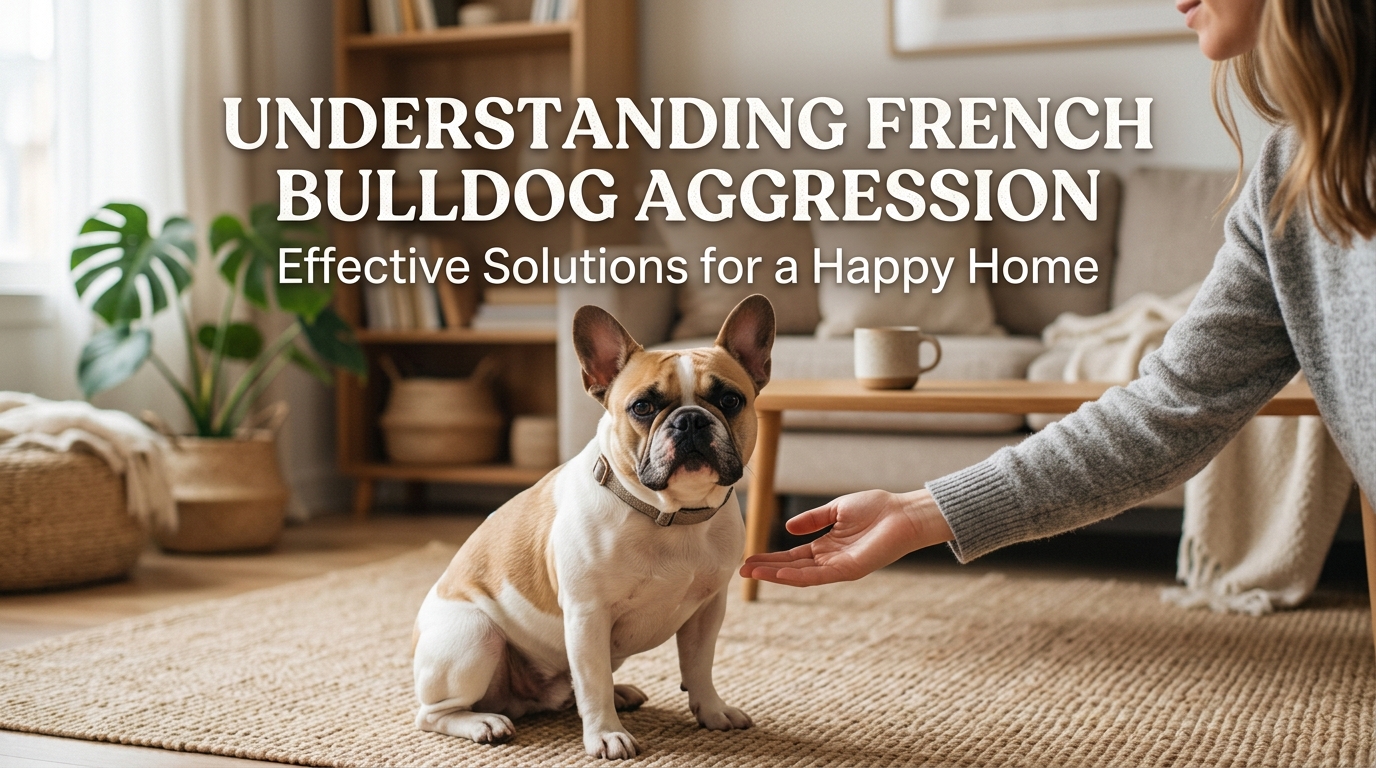
French Bulldogs are among the most beloved companion dogs worldwide, known for their affectionate temperament, playful personalities, and ability to thrive in a variety of living environments. Their friendly and loyal nature makes them excellent family pets, and they often form strong bonds with their owners. However, despite their generally sociable reputation, some French Bulldogs may display aggressive behaviors toward other dogs or, in some cases, people. These behaviors can be concerning for owners and may negatively impact daily activities such as walks, visits to dog parks, or interactions with guests.
Dog aggression in French Bulldogs can manifest in several ways, including growling, barking, lunging, snapping, or attempting to fight with other dogs. Some Frenchies may become possessive of their food, toys, sleeping areas, or even their owners, leading to territorial or resource-guarding behaviors. Others may react aggressively when they feel threatened, uncomfortable, or overwhelmed in unfamiliar situations. Understanding the specific triggers behind these reactions is the first step toward addressing the problem effectively.
Many owners wonder, “Why is my French Bulldog aggressive toward other dogs?” The reality is that aggression is rarely caused by a single factor. In many cases, it develops as a result of fear, anxiety, lack of early socialization, negative past experiences, frustration, territorial instincts, or genetic predisposition. For example, a French Bulldog that was not exposed to different dogs, people, and environments during its critical socialization period may feel uncertain or fearful when encountering unfamiliar dogs later in life. Fear-based aggression is one of the most common causes of reactive behavior, as dogs often use aggression as a way to create distance from perceived threats.
Additionally, underlying medical issues can contribute to sudden or unexplained aggression. Conditions such as chronic pain, injuries, skin allergies, ear infections, hormonal imbalances, or neurological disorders can make a dog irritable and more likely to react aggressively. This is why a veterinary examination is often recommended when a normally friendly French Bulldog begins displaying aggressive behavior unexpectedly.
Environmental factors also play a significant role. Inconsistent training, lack of exercise, overstimulation, stressful home environments, or accidental reinforcement of unwanted behaviors can all contribute to aggression. For instance, if a dog learns that barking and lunging cause another dog to move away, the aggressive behavior may become reinforced over time.
The good news is that most cases of French Bulldog aggression can be improved with patience, consistency, and the right training approach. Early intervention, positive reinforcement training, proper socialization, behavior modification techniques, and professional guidance from a qualified dog trainer or veterinary behaviorist can help reduce aggressive tendencies and build confidence. By identifying the root cause of the behavior and addressing it appropriately, owners can help their French Bulldogs become calmer, more comfortable, and better equipped to interact positively with other dogs and people.
Are French Bulldogs Naturally Aggressive?
One of the most common myths about dog behavior is that certain breeds are naturally aggressive. In reality, aggression is a complex behavior influenced by a combination of genetics, upbringing, environment, health, and individual personality rather than breed alone. French Bulldogs, in particular, are not considered an aggressive breed. They were originally bred to be companion animals, and their friendly, affectionate, and people-oriented nature has made them one of the most popular family dogs worldwide.
French Bulldogs are generally known for their playful personalities, adaptability, and strong attachment to their owners. They thrive on human interaction and often enjoy spending time with family members, including children and other household pets. Most Frenchies are naturally social dogs that seek attention, companionship, and affection rather than confrontation. Their temperament is one of the key reasons they are frequently recommended for apartment living and family households.
That said, no dog breed is completely immune to behavioral challenges. While aggression is not a defining characteristic of French Bulldogs, individual dogs may develop aggressive tendencies under certain circumstances. Factors such as poor socialization during puppyhood, traumatic experiences, fear, anxiety, territorial instincts, resource guarding, and inconsistent training can all contribute to unwanted aggressive behaviors. For example, a French Bulldog that has had limited exposure to unfamiliar dogs may become fearful or reactive when encountering them later in life. Similarly, a dog that feels threatened or cornered may resort to growling, barking, or snapping as a defensive response.
Genetics can also play a role in shaping a dog’s temperament, but genetics alone rarely determine whether a dog will become aggressive. A French Bulldog with a naturally confident and stable temperament can still develop behavioral problems if exposed to stressful environments or inadequate training. Conversely, a dog with a more cautious personality can grow into a well-adjusted and friendly companion when provided with proper socialization, positive reinforcement, and consistent guidance from an early age.
Another important consideration is overstimulation. French Bulldogs can become overly excited during play sessions, interactions with other dogs, or busy social environments. In some cases, this excitement may escalate into rough play, frustration, or reactive behavior that can be mistaken for aggression. Learning to recognize your dog’s body language and stress signals can help prevent these situations from developing into more serious behavioral issues.
Health problems should not be overlooked either. Pain, discomfort, or underlying medical conditions can significantly affect a dog’s behavior. French Bulldogs are prone to certain health issues, including skin allergies, ear infections, joint problems, and breathing difficulties. A dog experiencing chronic pain or discomfort may become irritable, defensive, or less tolerant of handling and interactions with other animals.
Ultimately, French Bulldogs are not naturally aggressive dogs. Most display friendly, loving, and sociable personalities when raised in a stable environment with proper training and socialization. When aggressive behavior does occur, it is usually a response to specific triggers or circumstances rather than an inherent trait of the breed. By understanding the underlying causes and addressing them appropriately, owners can help their French Bulldogs develop into confident, well-mannered, and emotionally balanced companions.
Common Causes of French Bulldog Dog Aggression
Understanding the root causes of aggressive behavior is the first and most important step in addressing and managing it effectively. In French Bulldogs, aggression toward other dogs is rarely random; it is usually a response to specific triggers, experiences, or underlying conditions. By identifying these factors, owners can better understand their dog’s behavior and take appropriate steps to correct it.
One of the most common causes is fear and anxiety. When a French Bulldog feels threatened or unsure in the presence of another dog, it may respond defensively by growling, barking, or lunging. This type of aggression is often rooted in insecurity rather than dominance, and it typically occurs in unfamiliar environments or social situations where the dog feels overwhelmed.
Lack of early socialization is another major contributing factor. Puppies that are not properly exposed to different dogs, people, sounds, and environments during their critical developmental period may grow up to be less confident and more reactive. As a result, they may struggle to interpret social cues from other dogs and respond with aggression instead of calm interaction.
Territorial behavior can also play a significant role. French Bulldogs often form strong attachments to their home, family members, and personal belongings. When they perceive another dog as an intruder into their space or a threat to their resources—such as food, toys, or resting areas—they may display protective or aggressive behavior to defend what they consider theirs.
Frustration and leash reactivity are additional common triggers. Some French Bulldogs become overly excited or stressed when restrained on a leash, especially if they are unable to approach or avoid other dogs freely. This frustration can quickly escalate into barking, pulling, or aggressive outbursts during walks.
Medical issues should also be considered as a potential cause. Pain, discomfort, or underlying health problems such as joint issues, skin conditions, or ear infections can make a dog more irritable and less tolerant of interaction with other animals. In such cases, aggression may be a symptom of an untreated medical concern rather than a behavioral issue.
Finally, inconsistent training or negative reinforcement can contribute to behavioral problems. Dogs that receive mixed signals or are exposed to punishment-based training methods may become confused, anxious, or defensive, increasing the likelihood of aggressive responses over time.
Overall, French Bulldog aggression is usually the result of a combination of emotional, environmental, and physical factors rather than a single cause. Identifying these triggers allows owners to address the behavior more effectively and support their dog in developing calmer and more positive social interactions.
Lack of Early Socialization
Proper socialization during a dog’s early developmental stage is one of the most important factors in shaping stable, confident, and well-adjusted behavior later in life. The “critical socialization window” in puppies typically occurs between 3 and 14 weeks of age, during which they are most open to new experiences. Positive exposure to different people, animals, environments, sounds, and everyday situations during this period helps a dog learn what is safe and normal in their surroundings.
When French Bulldogs do not receive enough of this early exposure, they may grow up feeling uncertain or overwhelmed in unfamiliar situations. As a result, everyday experiences—such as meeting other dogs on a walk, visiting new places, or encountering unfamiliar noises—can feel stressful or threatening. Instead of responding calmly, the dog may react with fear-based behaviors such as barking, growling, lunging, or attempting to avoid interaction altogether.
Poor socialization can also affect how a French Bulldog interprets the body language and signals of other dogs. Well-socialized dogs learn how to communicate appropriately through play, posture, and facial expressions. In contrast, under-socialized dogs may misread these signals, leading to confusion and defensive responses that can escalate into aggressive behavior.
In many cases, this lack of early exposure results in anxiety in social settings. An anxious French Bulldog may try to create distance between itself and other dogs by using aggressive displays as a protective mechanism. This behavior is not rooted in dominance but rather in insecurity and a lack of confidence in handling social interactions.
This issue is especially common in French Bulldogs that were raised in limited environments, such as isolated homes, environments with minimal interaction, or situations where they were not regularly introduced to other dogs in a controlled and positive way. Without gradual and positive experiences, new encounters later in life can feel unpredictable and threatening.
Ultimately, inadequate early socialization is one of the leading contributors to behavioral issues in French Bulldogs. However, with patience, structured training, and gradual exposure to positive experiences, many dogs can still learn to become more confident and comfortable around other dogs over time.
Fear and Anxiety
Fear is one of the strongest emotional drivers behind aggressive behavior in dogs, including French Bulldogs. When a dog perceives a situation as threatening, overwhelming, or unfamiliar, its natural response may not always be avoidance—it can also be defensive aggression. In these moments, behaviors such as growling, barking, lunging, snapping, or baring teeth are often used as warning signals intended to create distance from the source of fear rather than to initiate an attack.
Fear-based aggression typically develops when a dog associates another dog, person, or environment with a negative or stressful experience. For example, a French Bulldog that has previously been attacked, startled, or cornered by another dog may begin to anticipate danger in similar situations. Even if no actual threat is present, the memory of that experience can trigger a defensive reaction. Over time, this learned response can become more automatic, causing the dog to react aggressively before fully assessing the situation.
In other cases, fear aggression develops due to a lack of confidence in social settings. Dogs that are unsure how to interpret the behavior of other dogs may feel insecure during interactions. This uncertainty can quickly escalate into anxiety, especially in crowded areas, off-leash environments, or unpredictable encounters. When a dog feels it has no safe way to retreat or escape, it may resort to aggression as a way to increase distance and regain a sense of control.
It is important to understand that fear aggression is not driven by dominance or a desire to harm others. Instead, it is a defensive coping mechanism rooted in stress and self-protection. The dog is essentially communicating discomfort and attempting to avoid a situation it perceives as unsafe.
Physical signs of fear often accompany these behaviors and may include lowered body posture, tucked tail, pinned ears, trembling, or excessive panting. Recognizing these early warning signals is crucial for preventing escalation into more intense aggressive responses.
In many cases, fear-based aggression can be improved through gradual desensitization, positive reinforcement, and carefully managed social exposure. By helping the dog build confidence in a controlled and supportive environment, owners can reduce anxiety and encourage calmer, more positive interactions over time.
Territorial Behavior
Territorial behavior is a natural instinct in dogs, including French Bulldogs, and it is closely linked to their sense of security and attachment to their environment. This type of aggression occurs when a dog feels the need to protect what it considers its territory—such as the home, yard, personal belongings, or even specific family members. In these situations, the dog may perceive unfamiliar animals or people as potential intruders and respond with defensive behaviors to assert control over its space.
French Bulldogs, in particular, can become strongly attached to their living environment and the people they bond with. When this attachment becomes excessive or poorly managed through training, the dog may start to view any outside presence as a threat. This can lead to behaviors such as barking, growling, lunging at doors or gates, and attempting to block or confront other dogs that approach their perceived territory.
This type of aggression is most commonly observed when new dogs enter the home, visit the yard, or come close to areas the French Bulldog considers important, such as feeding spots, resting areas, or favorite places on the couch. Even the sight or sound of another dog approaching through a window or fence can trigger a territorial response.
Territorial aggression is often intensified by a lack of clear boundaries or leadership within the household. If a dog is not taught appropriate rules and structure, it may feel responsible for “guarding” the home and family on its own. This sense of responsibility can increase stress and lead to more frequent or intense aggressive displays.
In many cases, this behavior is not rooted in true aggression but rather in a protective instinct combined with uncertainty about what is considered safe. The dog is essentially trying to maintain control over its environment to reduce perceived risks. However, without proper guidance, this instinct can become problematic and interfere with normal social interactions.
With consistent training, clear boundaries, and positive reinforcement, territorial behavior can often be managed effectively. Teaching the dog to remain calm during the presence of visitors or other animals, along with gradual desensitization to triggers, can help reduce defensive reactions and promote more balanced behavior.
Resource Guarding
Resource guarding is a common behavioral issue in dogs, including French Bulldogs, where a dog shows protective or aggressive behavior over items or spaces it considers valuable. These resources may include food, treats, toys, bones, resting spots, or even access to human attention and affection. When another dog—or sometimes a person—approaches these valued resources, the dog may respond with warning signals such as growling, stiff body posture, lip lifting, snapping, or in more severe cases, biting.
At its core, resource guarding is driven by a perceived need to maintain control over something the dog believes could be taken away. This behavior is often linked to insecurity or anxiety rather than true dominance. A French Bulldog that feels uncertain about whether its resources are safe may develop defensive habits as a way to prevent loss. In some cases, this can stem from early life experiences such as competition with littermates, inconsistent feeding routines, or previous situations where resources were actually taken away or threatened.
Resource guarding can also extend beyond physical objects. Some French Bulldogs may guard their resting areas, such as beds, sofas, or specific corners of the home, while others may become protective of their owner’s attention, reacting when another pet tries to get close. This form of guarding is especially noticeable in multi-pet households, where competition for attention or space is more likely to occur.
The intensity of resource guarding can vary widely. Some dogs may only display mild warning behaviors, while others may escalate quickly if they feel their resource is at risk. It is important to recognize that these behaviors are communication signals rather than random aggression; the dog is expressing discomfort and attempting to prevent a perceived threat from escalating further.
Without proper management, resource guarding can become a learned habit that reinforces itself over time. For example, if a dog successfully scares another dog away by growling or snapping, it learns that this behavior is effective and may repeat it in the future. This is why early identification and consistent training are essential.
With structured training techniques such as desensitization, counter-conditioning, and positive reinforcement, resource guarding can often be significantly reduced. Teaching a French Bulldog that the presence of others near its resources leads to positive outcomes helps build trust and reduces the need for defensive behavior, resulting in a more relaxed and balanced temperament.
Leash Reactivity
Leash reactivity is a common behavioral challenge seen in French Bulldogs and many other breeds, where a dog becomes overly reactive, vocal, or seemingly aggressive while on a leash. This behavior typically occurs during walks or outdoor encounters with other dogs, people, or environmental triggers. Common signs include excessive barking, lunging, pulling, growling, or stiff body posture when the dog is restrained.
One of the primary reasons leash reactivity develops is the feeling of restriction. When a French Bulldog is on a leash, its natural ability to move freely—either to approach something it is curious about or to retreat from something it finds uncomfortable—is limited. This loss of control can create frustration and stress, especially in situations where other dogs are nearby. As a result, the dog may express its emotional tension through reactive or aggressive-like behaviors.
In many cases, leash reactivity is not true aggression but rather a combination of anxiety, excitement, and frustration. A French Bulldog may want to greet another dog but feels restrained, leading to overstimulation. Alternatively, it may feel threatened by the presence of another dog but cannot create distance, which increases its stress response. Both scenarios can trigger similar outward behaviors that are often mistaken for aggression.
Over time, repeated exposure to these situations without proper training can reinforce the behavior. For example, if a dog barks or lunges and the other dog moves away, the French Bulldog may learn that this reaction is effective for increasing distance, unintentionally strengthening the behavior. This creates a cycle where the reactive response becomes more frequent and more intense during walks.
Leash reactivity can also be influenced by the owner’s handling. Tight leashes, tension in the lead, or anxious body language from the handler can transfer stress to the dog, making the situation feel even more intense. Additionally, environments that are crowded, noisy, or unpredictable can further increase a dog’s sensitivity while on leash.
Although leash reactivity can be challenging, it is highly manageable with the right approach. Training methods such as controlled exposure, positive reinforcement, counter-conditioning, and teaching alternative focus behaviors can help a French Bulldog learn to remain calm during walks. Over time, these techniques help the dog associate the presence of other dogs with calm and positive experiences rather than frustration or threat.
Medical Conditions and Pain
One of the most overlooked but important causes of sudden or unexplained aggression in French Bulldogs is underlying medical issues. When a dog experiences pain, discomfort, or illness, its tolerance level for interaction with people or other animals can decrease significantly. As a result, even normally calm and friendly dogs may begin to show irritability, defensiveness, or aggressive behavior as a way of protecting themselves from further discomfort.
Pain-related aggression can develop gradually or appear quite suddenly, depending on the condition. Common health problems in French Bulldogs—such as joint pain, back issues, skin infections, ear infections, dental disease, or breathing difficulties—can all contribute to increased sensitivity. In such cases, actions that normally feel harmless, such as being touched, picked up, or approached by another dog, may trigger a defensive reaction.
Hormonal imbalances or internal medical conditions can also influence behavior. Changes in thyroid function, neurological conditions, or other systemic illnesses may affect mood regulation and increase irritability. Because these issues are not always visible, owners may mistakenly interpret the behavior as purely behavioral aggression rather than a symptom of physical discomfort.
Another important factor is that dogs are naturally inclined to hide pain, which can make early detection difficult. Instead of showing obvious signs of distress, a French Bulldog may communicate discomfort through subtle behavioral changes, such as avoiding contact, becoming less tolerant of handling, or reacting aggressively when approached too closely by other dogs.
In many cases, what appears to be sudden aggression is actually the dog’s way of saying it feels unsafe or unwell. This is why any noticeable or unexpected change in temperament should always be taken seriously. A previously friendly dog that begins growling, snapping, or avoiding social interaction may be experiencing pain or an underlying medical condition that requires attention.
Because of this, a veterinary examination is a crucial first step when addressing new or unexplained aggressive behavior. Identifying and treating any underlying health issues can often lead to a significant improvement in behavior. Once medical causes are ruled out or managed, behavioral training and environmental adjustments become much more effective in helping the dog return to a calm and balanced state.
Recognizing the Signs of Aggression in French Bulldogs
Early recognition of behavioral warning signs is essential in preventing aggressive situations from escalating in French Bulldogs. Dogs rarely “suddenly” become aggressive without first showing subtle physical and behavioral cues. By learning to identify these early signals, owners can intervene before a situation turns into growling, lunging, or physical confrontation with other dogs.
One of the most common early indicators is a stiff body posture. When a French Bulldog becomes tense, its body may appear rigid, with reduced movement and a fixed stance. This stiffness often signals that the dog is uncomfortable, alert, or preparing to react to a perceived threat.
Intense staring is another important warning sign. A fixed, unblinking gaze directed at another dog or stimulus can indicate heightened focus and emotional arousal. In many cases, this “hard stare” suggests that the dog is evaluating a situation and may be close to reacting if the perceived pressure continues.
Raised hackles—where the hair along the dog’s back stands up—can also be a physical sign of increased arousal. While this does not always indicate aggression on its own, it often appears alongside other stress signals and suggests that the dog is emotionally activated or on edge.
Vocalizations such as growling or snarling are more direct warning signs. These behaviors are clear communication signals that the dog is uncomfortable and wants distance from the trigger. Growling should not be viewed simply as bad behavior; instead, it should be understood as an important form of communication that helps prevent escalation.
Aggressive barking at other dogs is another common early-stage response. This barking is often repetitive, loud, and directed, indicating frustration, fear, or overexcitement. In leash situations, it may be combined with pulling or strained body language.
Lunging forward is a more advanced warning sign and often indicates that the dog is transitioning from warning to action. At this stage, the French Bulldog may attempt to close the distance toward the trigger, especially if it feels trapped or unable to escape.
Snapping or attempting to bite represents the final escalation stage of aggressive behavior. This usually occurs when earlier warning signals have been ignored or when the dog feels it has no other option to protect itself or create space.
Understanding and recognizing these body language cues is extremely important for responsible ownership. When owners can accurately interpret early warning signs, they can redirect the dog’s attention, increase distance from triggers, or use training techniques to prevent escalation. Over time, this awareness helps build safer, calmer, and more controlled interactions with other dogs and environments.
French Bulldog Puppy Aggression Toward Other Dogs
It is common for new owners to feel concerned when they notice signs of aggression or reactivity in a French Bulldog puppy. While puppies naturally engage in play that can sometimes look rough—such as chasing, wrestling, barking, or play-biting—there is an important difference between normal playful behavior and genuine aggression. Persistent growling, stiff body language, resource guarding, or repeated reactive behavior toward other dogs should not be ignored, even at a young age.
Aggressive behavior in French Bulldog puppies is often linked to early developmental experiences rather than fixed temperament traits. One of the most common causes is inadequate socialization during the critical learning period. Puppies that are not gently and positively exposed to a variety of other dogs, people, sounds, and environments may grow up feeling uncertain or overwhelmed in social situations. This lack of exposure can lead to fear-based reactions when they encounter unfamiliar dogs later on.
Fear is a major driving factor in puppy aggression. A young French Bulldog that feels intimidated or unsure during interactions with other dogs may respond defensively by growling, barking, or snapping. In many cases, this is not true aggression in the adult sense, but rather an immature attempt to create space and protect itself from a situation it perceives as unsafe or unpredictable.
Frustration can also play a significant role. Puppies are naturally curious and often eager to interact with other dogs, but leash restraint, barriers, or lack of proper play opportunities can prevent them from expressing this curiosity. This emotional buildup can sometimes manifest as reactive or overly intense behavior during greetings or walks.
In some cases, early guarding behaviors may also begin to appear during puppyhood. A French Bulldog puppy might become protective over food, toys, or resting spaces, especially if it has experienced competition with littermates or inconsistent access to resources. If not addressed early, these behaviors can become more established patterns as the dog matures.
The good news is that early intervention is highly effective. Puppies are still in a critical stage of learning, which makes it much easier to shape positive behavior patterns. Controlled exposure to well-behaved dogs, positive reinforcement training, and structured socialization experiences can significantly reduce the likelihood of aggression developing later in life.
Overall, while certain concerning behaviors in French Bulldog puppies should be taken seriously, they also present an important opportunity. With the right guidance and consistent positive experiences, most puppies can develop into confident, well-adjusted adult dogs that interact calmly and appropriately with other animals.
How to Stop French Bulldog Aggression Toward Other Dogs
Addressing aggressive behavior in French Bulldogs is a gradual process that requires patience, consistency, and a strong focus on understanding the dog’s emotional state rather than just correcting outward behavior. Aggression is usually a symptom of an underlying issue such as fear, frustration, anxiety, or lack of social skills, so effective solutions must target the root cause rather than only the visible reaction.
There is no single training method that works for every dog, as each French Bulldog may react differently depending on its temperament, past experiences, and environment. However, several evidence-based behavioral approaches have been proven to significantly reduce aggression when applied correctly and consistently. These methods focus on changing how the dog feels in triggering situations, not just how it behaves in the moment.
A key principle in successful behavior modification is creating positive emotional associations with other dogs and environments. Instead of allowing the dog to remain in a heightened or reactive state, structured training helps gradually shift its response toward calmness and neutrality. This is typically achieved through controlled exposure, reward-based training, and careful management of distance from triggers.
Equally important is consistency in handling and training. All family members should follow the same rules, commands, and responses to avoid confusing the dog. Inconsistent reactions can reinforce unwanted behaviors or slow down progress, as the dog may struggle to understand what is expected in different situations.
Management of the environment also plays a critical role in preventing setbacks. This may include avoiding overly crowded areas during early training stages, using appropriate walking equipment, and ensuring the dog is not repeatedly exposed to situations that trigger intense reactions before it is ready to handle them calmly.
In more severe or persistent cases, professional guidance from a certified dog trainer or veterinary behaviorist can be extremely valuable. These professionals can assess the dog’s specific triggers, identify underlying emotional causes, and design a structured behavior modification plan tailored to the individual dog.
Overall, stopping aggression in French Bulldogs is not about quick fixes but about long-term behavior change. With patience, structured training, and a focus on emotional well-being, most dogs can learn to feel safer, more confident, and more relaxed around other dogs over time.
Focus on Positive Reinforcement
Positive reinforcement training is widely regarded as one of the most effective and humane approaches for modifying aggressive behavior in French Bulldogs. Instead of focusing on correcting or punishing unwanted reactions, this method emphasizes rewarding calm, controlled, and appropriate behavior. Over time, this helps reshape the dog’s emotional response to other dogs and potentially stressful situations.
When a French Bulldog is exposed to another dog and remains calm—such as staying relaxed, looking away, or responding to a command—immediate rewards like treats, praise, or gentle encouragement reinforce that behavior. This teaches the dog that staying calm leads to positive outcomes. Gradually, the dog begins to associate the presence of other dogs not with fear or frustration, but with something enjoyable and rewarding.
This approach is especially important in cases of aggression driven by fear, anxiety, or insecurity. Instead of suppressing the outward behavior, positive reinforcement works at the emotional level by helping the dog feel safer and more confident. As the dog’s confidence grows, reactive behaviors such as barking, lunging, or growling tend to decrease naturally.
In contrast, punishment-based methods—such as yelling, leash jerks, or physical corrections—can often have the opposite effect. These techniques may temporarily interrupt the behavior, but they do not address the underlying emotional cause. In many cases, punishment increases stress, fear, and confusion, which can intensify aggressive responses or cause the dog to become more unpredictable in similar situations.
Punitive training may also damage the trust between the dog and its owner, making the dog more anxious in training scenarios. A fearful dog is more likely to rely on defensive behaviors, which can worsen aggression over time rather than resolve it.
Positive reinforcement, on the other hand, builds trust and clear communication between the dog and owner. It creates a structured learning environment where the dog is encouraged to make better choices without fear of punishment. This makes it particularly effective for long-term behavior change.
Ultimately, focusing on positive reinforcement not only helps reduce aggressive tendencies but also strengthens the bond between the French Bulldog and its owner, leading to a more stable, confident, and well-adjusted companion.
Provide Controlled Socialization Opportunities
Controlled socialization is a structured and gradual process that helps French Bulldogs build confidence and develop healthier responses toward other dogs. Instead of exposing the dog to unpredictable or overwhelming situations, this approach focuses on carefully managed interactions with calm, well-mannered dogs in a safe and controlled environment. The goal is to help the dog learn that the presence of other dogs is not threatening, but neutral or even positive.
At the beginning of this process, distance is very important. A French Bulldog should be introduced to other dogs from far enough away that it can remain relaxed and non-reactive. This might involve observing another dog from across a park or street without direct contact. At this stage, the focus is not on interaction, but on ensuring the dog stays calm while noticing the other dog’s presence.
As the dog begins to show more relaxed behavior, such as loose body posture, normal breathing, and the ability to respond to commands, the distance can be slowly reduced over time. This gradual progression helps prevent overstimulation and allows the dog to build positive associations at its own pace.
All socialization sessions should be carefully supervised to ensure safety and prevent negative experiences. The other dogs involved should ideally be calm, stable, and well-trained, as reactive or overly excited dogs can make the process more difficult and potentially reinforce fear or defensive behavior in the French Bulldog.
Structured environments, such as controlled training classes or one-on-one introductions, are often more effective than unstructured dog park interactions. These settings allow for better management of distance, timing, and behavior, reducing the risk of sudden or overwhelming encounters.
It is also essential to monitor the French Bulldog’s body language throughout the process. Signs of stress or discomfort—such as stiff posture, intense staring, or excessive barking—indicate that the situation may be too intense and that more distance or a slower pace is needed.
Rushing socialization is one of the most common causes of setbacks. Forcing interactions too quickly can increase fear, anxiety, and reactivity, making the problem worse rather than better. Progress should always be guided by the dog’s comfort level rather than a fixed timeline.
Ultimately, controlled socialization is about building trust, confidence, and emotional stability over time. When done correctly, it helps French Bulldogs learn to remain calm and composed around other dogs, leading to safer and more positive social experiences.
Rushing the process can lead to setbacks, so progress should be made at the dog’s pace.
Identify and Manage Triggers
Every French Bulldog is an individual, and aggressive or reactive behavior is often linked to specific triggers rather than occurring randomly. These triggers can vary widely from dog to dog and may include the presence of unfamiliar dogs, crowded environments, certain types of movement (such as fast-running dogs), loud noises, or even specific locations where the dog has previously had a negative experience. Identifying these triggers is a crucial step in understanding why the behavior occurs and how to address it effectively.
Careful observation is essential during this process. Owners should pay attention to the exact situations in which their French Bulldog becomes tense, vocal, or reactive. Noting details such as distance from other dogs, leash tension, time of day, and environmental conditions can help reveal consistent patterns. Over time, these patterns make it easier to predict and prevent situations that may lead to an aggressive response.
Once triggers are identified, management becomes an important part of preventing unwanted behavior. This does not mean simply avoiding all social situations, but rather controlling the level of exposure so the dog does not become overwhelmed. For example, increasing distance from triggering stimuli, choosing quieter walking routes, or avoiding peak busy hours in public areas can significantly reduce stress and reactivity.
Managing triggers also includes preparing the dog for controlled exposure during training sessions. Instead of placing the French Bulldog directly into a highly stimulating environment, owners can gradually introduce triggers at a distance where the dog remains calm. This allows learning to take place without pushing the dog beyond its emotional threshold.
Understanding triggers is not only about avoidance but also about prevention and long-term behavior improvement. When owners recognize early warning signs and respond appropriately, they can often prevent escalation before it begins. This proactive approach helps reduce the frequency of reactive episodes and supports more successful training outcomes.
Ultimately, identifying and managing triggers is a foundational part of addressing aggression. It allows owners to create a more predictable and supportive environment, giving the French Bulldog the opportunity to learn calm and balanced responses over time.
Strengthen Obedience Skills
Strengthening obedience skills is a fundamental part of managing and reducing aggressive or reactive behavior in French Bulldogs. Basic obedience training helps establish clear communication between the owner and the dog, creating structure, predictability, and trust. When a dog understands and consistently responds to commands, it becomes easier to guide its behavior in situations that may otherwise trigger fear, excitement, or aggression.
Core commands such as “sit,” “stay,” “come,” and “leave it” are especially valuable during encounters with other dogs. For example, asking a French Bulldog to “sit” or “focus” can redirect its attention away from a triggering stimulus and toward its owner. The “stay” command helps the dog remain calm and stationary in situations where it might otherwise become reactive, while “leave it” can prevent unwanted focus on another dog or object that could escalate excitement or tension.
Obedience training also plays a key role in building impulse control. Many cases of leash reactivity or dog aggression are linked to impulsive reactions rather than deliberate intent. By consistently practicing obedience exercises in low-distraction environments and gradually introducing more challenging settings, the dog learns to pause, listen, and respond even when stimulated.
Another important benefit of obedience training is the sense of structure it provides. Dogs feel more secure when they understand what is expected of them. This clarity reduces uncertainty, which is often a contributing factor in anxiety-based or fear-based aggression. A well-trained French Bulldog is less likely to feel the need to make its own decisions in stressful situations, as it can rely on guidance from its owner.
Consistency is essential for effective obedience training. Commands should be taught using positive reinforcement and practiced regularly in different environments to ensure reliable responses. Short, focused training sessions are often more effective than long or repetitive ones, especially for younger or easily distracted dogs.
Over time, strong obedience skills become a practical tool for managing real-life situations. Whether encountering another dog on a walk or navigating a busy environment, a French Bulldog that reliably responds to commands is easier to control, redirect, and calm before aggressive behavior escalates.
Ultimately, obedience training is not just about teaching commands—it is about building communication, trust, and cooperation between the dog and its owner. These foundations are essential for preventing aggression and promoting balanced, well-behaved behavior in everyday life.
Address Leash Reactivity
Leash reactivity is a common challenge in French Bulldogs and requires a structured, patient approach to improve effectively. One of the most important strategies is increasing distance from triggers. When a dog is too close to another dog or stressful stimulus, its emotional response can quickly escalate, making learning difficult. By maintaining a safe distance where the French Bulldog can notice the trigger without reacting, owners create an opportunity for calm learning rather than panic or frustration.
At this controlled distance, rewarding calm behavior becomes the foundation of training. Whenever the dog notices another dog but remains relaxed—showing loose body posture, responding to its name, or choosing to look away—this behavior should be immediately reinforced with treats, praise, or other positive rewards. Over time, this helps the dog associate the presence of other dogs with calm experiences rather than stress or excitement, gradually reducing reactive responses.
It is also important to understand that leash reactivity often develops from a combination of frustration, anxiety, and restricted movement. Because the dog cannot freely approach or retreat, its emotional tension may build up and be expressed through barking, lunging, or pulling. Consistent training helps the dog learn alternative ways to cope with these feelings, such as focusing on the owner or disengaging from the trigger.
Progress in leash reactivity training is typically gradual. Setbacks may occur if the dog is exposed to triggers that are too intense too quickly. For this reason, patience and consistency are essential. Short, controlled training sessions repeated regularly are more effective than occasional or overly stimulating exposures.
Seek Professional Guidance
In cases where leash reactivity or aggression is severe, persistent, or not improving with basic training efforts, seeking help from a qualified professional is strongly recommended. A certified dog trainer or veterinary behaviorist can assess the dog’s behavior in detail and identify the underlying emotional or medical factors contributing to the issue.
Professional guidance is especially valuable because it provides a customized behavior modification plan tailored to the individual dog. This may include structured desensitization programs, counter-conditioning techniques, and environmental management strategies designed specifically for the dog’s triggers and temperament.
In some situations, a veterinary behaviorist may also evaluate whether medical conditions, pain, or anxiety-related disorders are contributing to the behavior. When necessary, they may recommend additional interventions to support the training process.
Ultimately, combining consistent at-home training with professional support when needed offers the best chance of long-term improvement. With the right guidance, many French Bulldogs can learn to remain calm, confident, and well-behaved even in previously challenging situations.
When to Seek Professional Help
While many cases of French Bulldog aggression can be significantly improved with consistent training, structured socialization, and proper management at home, there are situations where professional intervention becomes necessary. In more serious or persistent cases, the underlying behavioral or emotional issues may be too complex to address without expert guidance.
Owners should strongly consider seeking help from a qualified dog trainer or veterinary behaviorist if their French Bulldog frequently shows attempts to attack or seriously engage in fights with other dogs. Repeated aggressive incidents, especially those that are intense or difficult to control, indicate that the behavior is becoming a stable pattern rather than an occasional reaction.
Professional support is also essential if the dog has caused injuries during interactions with other animals. This level of aggression suggests a higher risk situation that requires immediate attention, as continued exposure without proper intervention can increase the likelihood of future incidents.
Escalating behavior is another key warning sign. If a French Bulldog’s aggression becomes more frequent, more intense, or easier to trigger over time, it may indicate that the current management approach is not effective. In such cases, delaying professional help can allow the behavior to become more deeply ingrained and harder to modify later.
Aggression directed toward family members or people in the household is particularly concerning and should never be ignored. This type of behavior may point to deeper issues such as fear, anxiety, resource guarding, or pain-related discomfort, and requires careful assessment by an experienced professional.
Additionally, if consistent training, positive reinforcement, and environmental management do not lead to noticeable improvement over time, it is a strong indication that external guidance is needed. A professional can help identify overlooked triggers, adjust training techniques, and develop a more structured and effective behavior modification plan tailored to the dog’s specific needs.
Early intervention is often the most effective approach. Addressing behavioral issues in their early stages increases the likelihood of long-term success and prevents aggressive patterns from becoming habitual or more difficult to correct. With timely support, many French Bulldogs can make significant progress and develop more stable, confident, and balanced behavior.
Final Thoughts
French Bulldog dog aggression can be concerning and emotionally challenging for owners, especially when it affects everyday activities such as walks, social interactions, or time spent around other dogs. However, it is important to understand that aggressive behavior is rarely a fixed personality trait or a sign of a “bad dog.” In most cases, it is a response to an underlying issue that the dog is struggling to manage in the moment.
A wide range of factors can contribute to French Bulldog aggression toward other dogs, including fear, anxiety, lack of early socialization, territorial instincts, frustration, pain, or environmental stressors. Each of these influences can shape how a dog perceives and reacts to its surroundings. When a French Bulldog feels overwhelmed, threatened, or unsure, aggression may appear as a defensive coping mechanism rather than intentional hostility.
Recognizing this distinction is essential for effective management and training. Instead of focusing solely on stopping the behavior, successful improvement comes from understanding what triggers the reaction and addressing the emotional or physical cause behind it. This approach allows owners to work with their dog’s natural responses rather than against them.
Early identification of warning signs, combined with consistent training and structured behavior modification techniques, can make a significant difference over time. Positive reinforcement, controlled socialization, trigger management, and obedience training all play important roles in helping a dog develop more balanced and confident responses.
While progress may take time, patience and consistency are key. Dogs learn through repeated experiences, and with the right guidance, many French Bulldogs are able to replace reactive behaviors with calmer, more appropriate reactions. In more complex cases, professional support can provide additional structure and expertise to guide the process effectively.
Ultimately, with understanding, commitment, and the right training approach, French Bulldogs can overcome aggressive tendencies and build healthier relationships with other dogs. This not only improves their behavior but also enhances their overall quality of life, creating safer and more enjoyable experiences for both the dog and its owner.
1 thought on “French Bulldog Dog Aggression: Understanding the Causes and Finding Effective Solutions”