A French Bulldog Yeast Infection can turn healthy skin into an itchy, uncomfortable mess. If your French Bulldog keeps scratching, licking, or chewing, yeast overgrowth may be the reason. You may also notice red skin, greasy skin, hair loss, or a musty smell. These signs can appear on the paws, ears, facial folds, or tail pocket. Warm, moist areas create a yeast-friendly environment where Malassezia yeast can grow quickly. Allergies can make the problem worse, too.
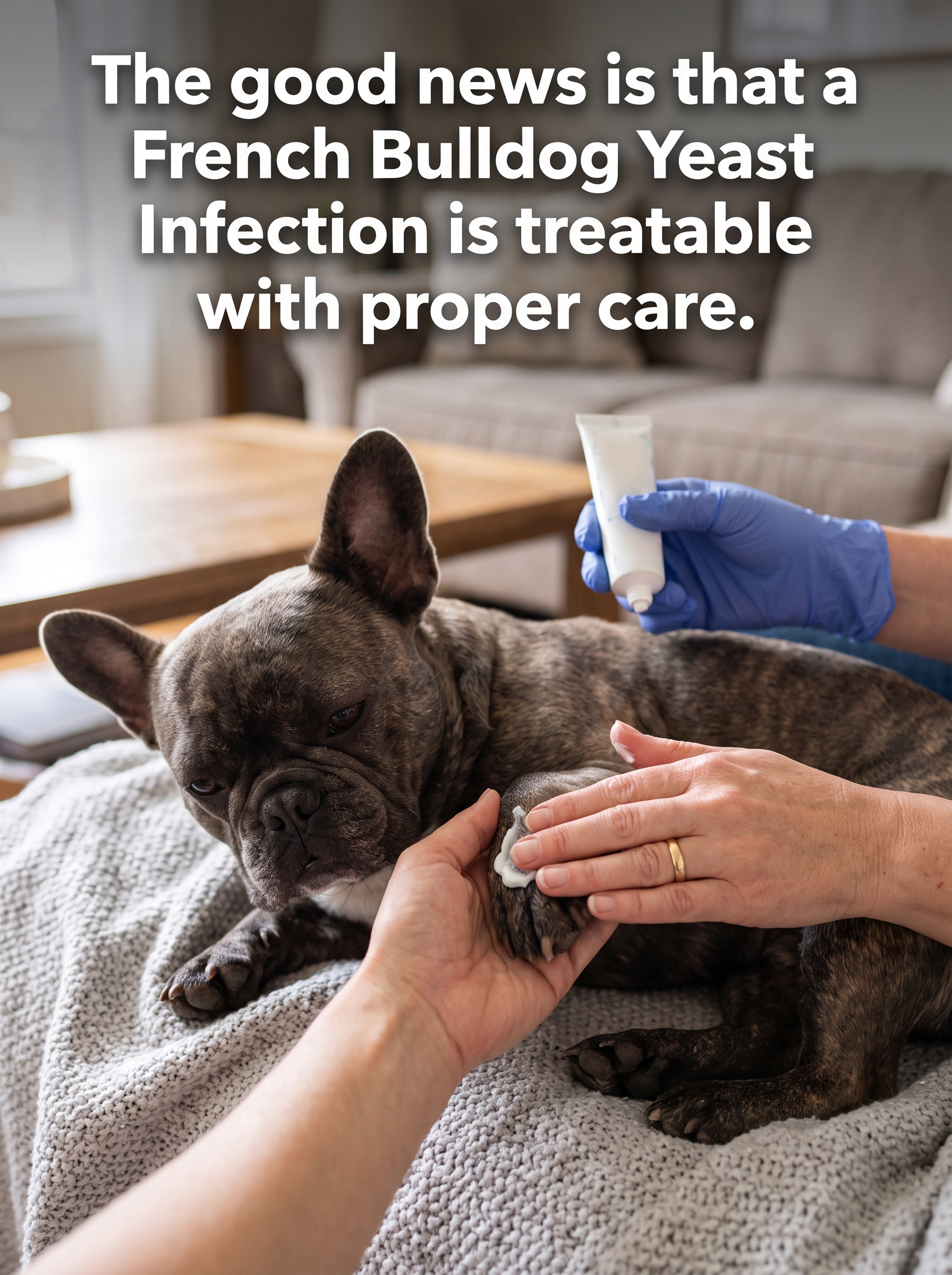
The good news is that a French Bulldog Yeast Infection is treatable with proper care. Early action can prevent skin irritation from becoming a chronic yeast infection. A veterinarian can confirm the cause through cytology, a skin scraping, or an ear swab. Treatment may include antifungal medication, topical antifungal products, medicated shampoo, or antifungal wipes. Understanding French Bulldog Yeast Infection symptoms, causes, and treatment helps you protect your dog’s sensitive skin.

What Causes Yeast Infections in French Bulldogs?
A French Bulldog Yeast Infection often starts when yeast grows too much on the skin. Malassezia yeast normally lives on a dog’s skin without causing trouble. However, moisture, allergies, and a weak skin barrier can trigger yeast overgrowth. French Bulldogs have skin folds and facial wrinkles that can trap moisture and heat. Poor ventilation inside these areas creates a yeast-friendly environment. Environmental allergies, food allergies, and flea allergies may also cause itchy skin. Constant scratching can damage the skin and allow bacteria to enter. This may lead to a secondary bacterial infection alongside the French Bulldog Yeast Infection.
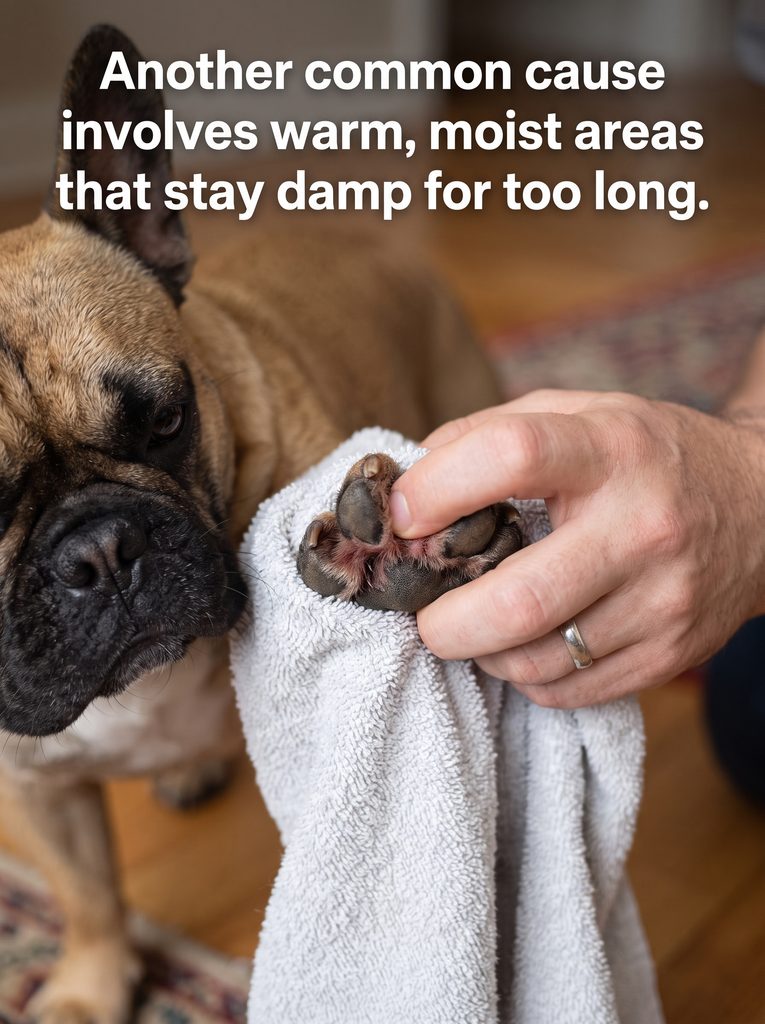
Another common cause involves warm, moist areas that stay damp for too long. Paws, ears, facial folds, and the tail pocket need regular attention. Humidity can make these areas even more difficult to keep dry. Some French Bulldogs also have sensitive skin or atopic dermatitis. These conditions can weaken the skin barrier and encourage recurring yeast infections. A French Bulldog Yeast Infection may also develop after another skin problem causes inflammation. Less commonly, Candida can contribute to a fungal infection. Regular cleaning, careful drying, and proper allergy management can reduce yeast infection causes.
Common Signs of a Yeast Infection in French Bulldogs
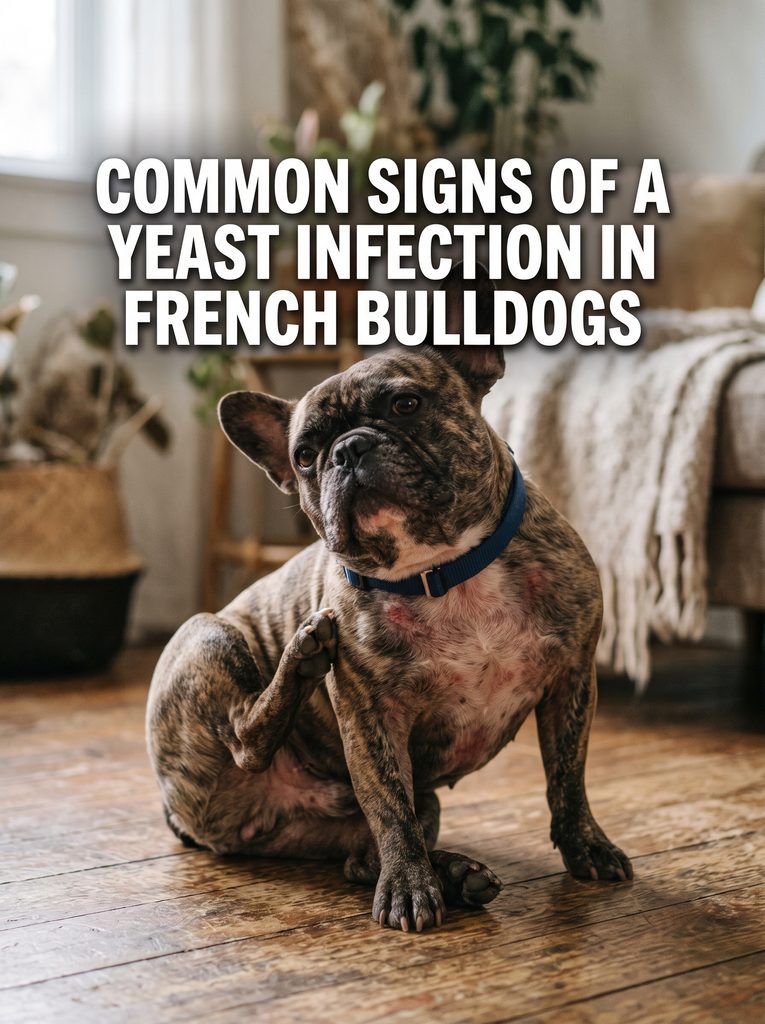
A French Bulldog Yeast Infection can cause several noticeable changes in your dog’s skin. Itchy skin often appears first. Your dog may start excessive scratching, paw licking, or chewing paws. Red skin and inflamed skin can develop around affected areas. Some dogs develop greasy skin or an oily coat. A strong skin odor may also appear. You might notice a musty smell or yeasty smell around the paws, ears, or wrinkles. Hair loss, flaky skin, and crusty skin can occur when irritation continues. These yeast infection symptoms can worsen without timely veterinary treatment.
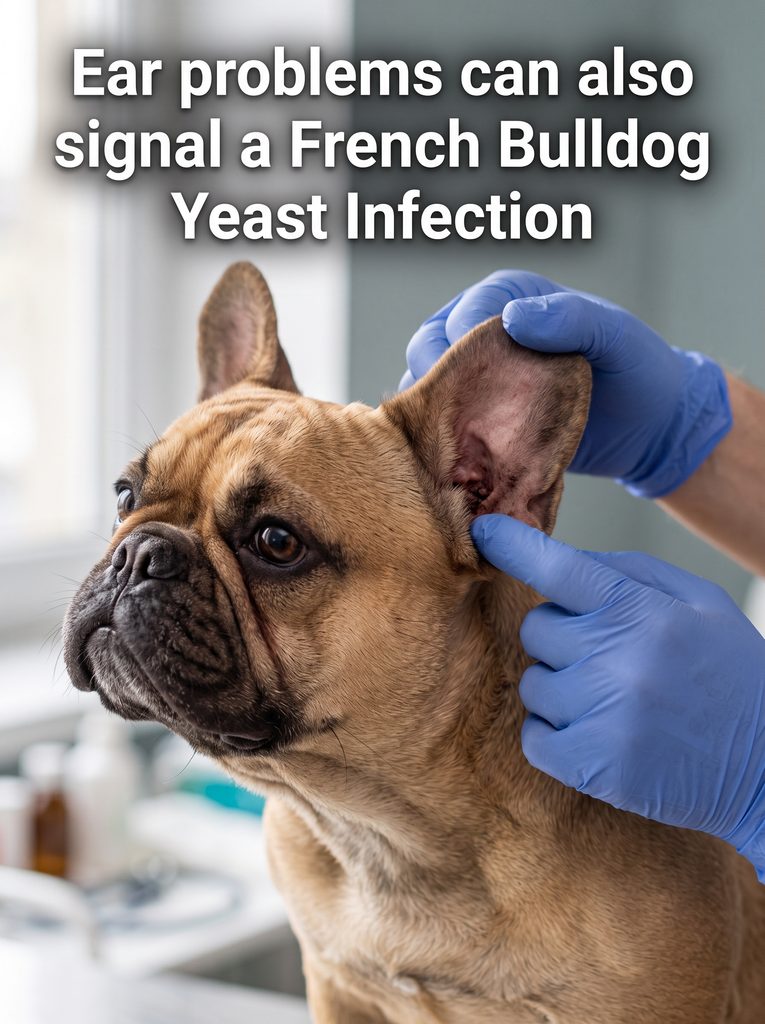
Ear problems can also signal a French Bulldog Yeast Infection. Your dog may show ear scratching or frequent head shaking. Red ears, ear odor, and brown ear discharge can indicate an ear infection. On the paws, you may notice red paws, paw irritation, or an interdigital yeast infection. Long-term cases can cause skin discoloration, darkened skin, and thickened skin. Hot spots may appear when your dog repeatedly scratches or licks irritated areas. French Bulldog wrinkles can also become moist and sore. If these signs persist, a veterinary examination can identify the underlying problem.
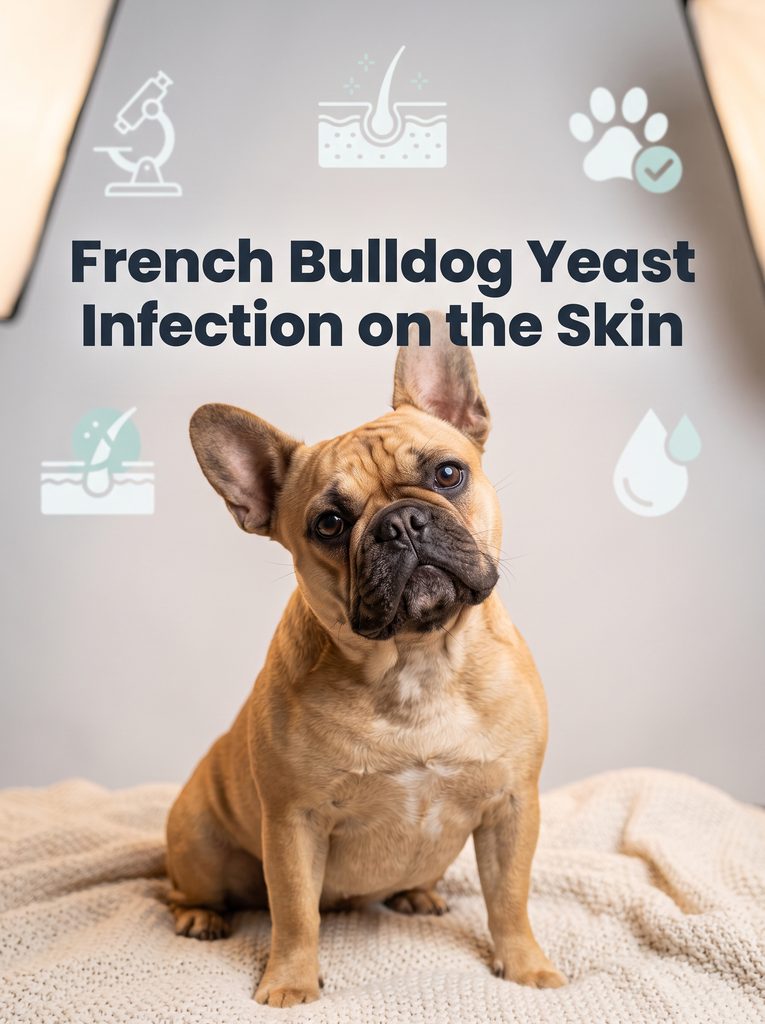
French Bulldog Yeast Infection on the Skin
A French Bulldog Yeast Infection can affect several areas of your dog’s skin. Malassezia yeast normally lives on healthy skin. Problems start when yeast overgrowth occurs. Moist skin folds provide an ideal place for yeast to multiply. You may notice red skin, inflamed skin, or greasy skin. Your French Bulldog may also develop a strong skin odor or musty smell. Itchy skin can lead to excessive scratching and paw licking. Over time, the skin may become darkened, thickened, or flaky. Hair loss can also develop around irritated areas. French Bulldog wrinkles, paws, and the tail pocket often need extra attention.
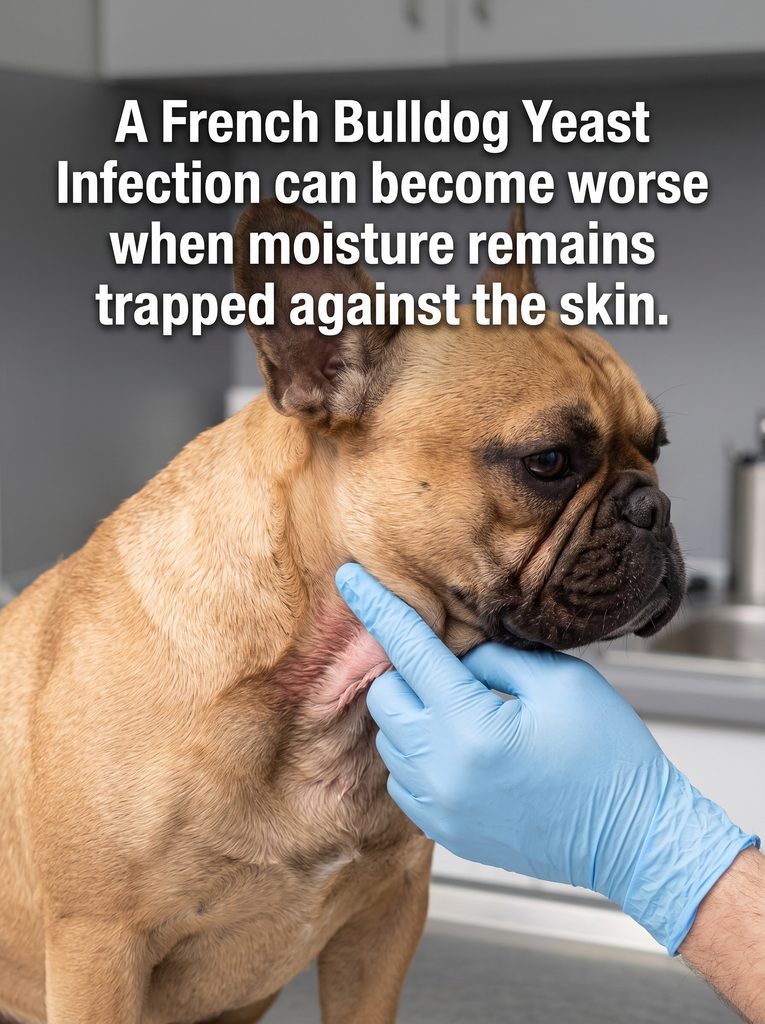
A French Bulldog Yeast Infection can become worse when moisture remains trapped against the skin. Humidity can create a yeast-friendly environment, especially inside deep skin folds. Allergies may also weaken the skin barrier and trigger ongoing irritation. Environmental allergies, food allergies, and flea allergies can contribute to this problem. Scratching can damage the skin and allow bacteria to enter. This may cause a secondary bacterial infection. Your veterinarian may perform cytology or a skin scraping to confirm the cause. Treatment often includes antifungal medication, topical antifungal products, medicated shampoo, or antifungal wipes. Early care can prevent recurring yeast infections.
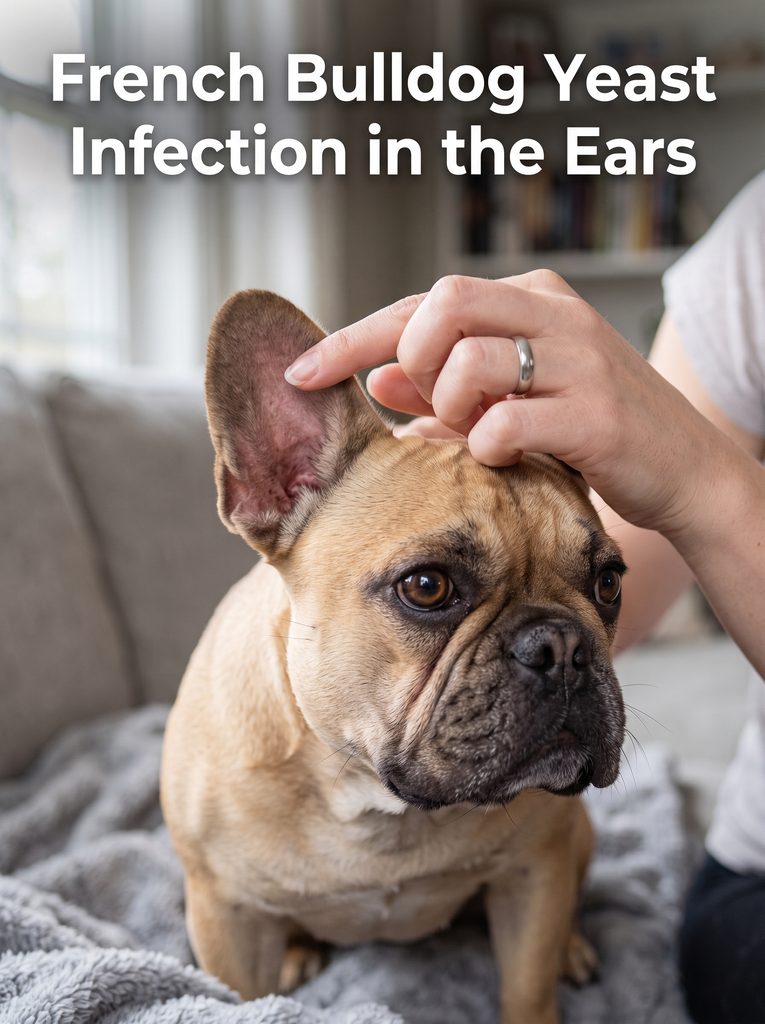
French Bulldog Yeast Infection in the Ears
A French Bulldog Yeast Infection can also develop inside your dog’s ears. Malassezia yeast commonly causes yeast overgrowth in the ear canal. Your French Bulldog may scratch the ears often or shake the head repeatedly. Red ears and irritated skin can appear as the infection develops. A noticeable ear odor may also become stronger. Some dogs develop brown ear discharge around the ear opening. These signs can indicate a dog ear infection that needs veterinary attention. Allergies often play a role because they can cause inflammation and make the ears more vulnerable to yeast overgrowth.
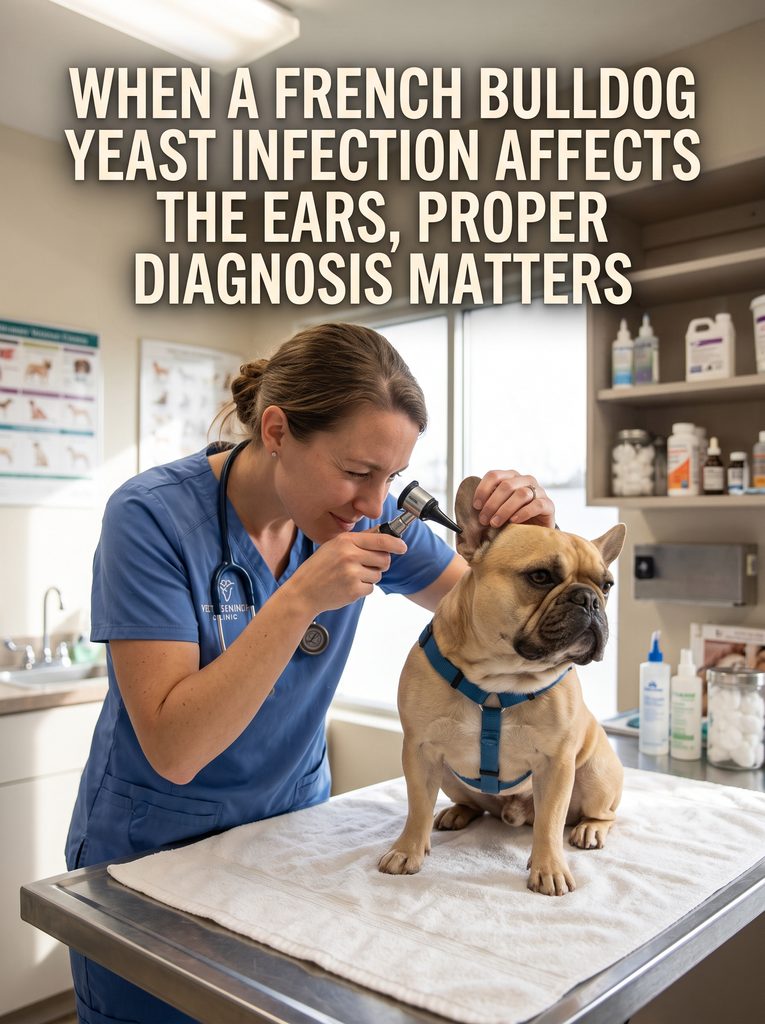
When a French Bulldog Yeast Infection affects the ears, proper diagnosis matters. A veterinarian may perform an ear swab and examine the sample under a microscope. This process can help identify Malassezia yeast and bacteria. Your veterinarian may then recommend an ear cleaner or antifungal medication. Never use random household products inside your dog’s ears. They can increase irritation or cause further damage. Keep the ears clean and dry during treatment. If infections keep returning, ask about underlying allergies or other triggers. Treating those causes can reduce recurring ear infections and support healthier ears.
How to Tell if Your French Bulldog Has a Yeast Infection
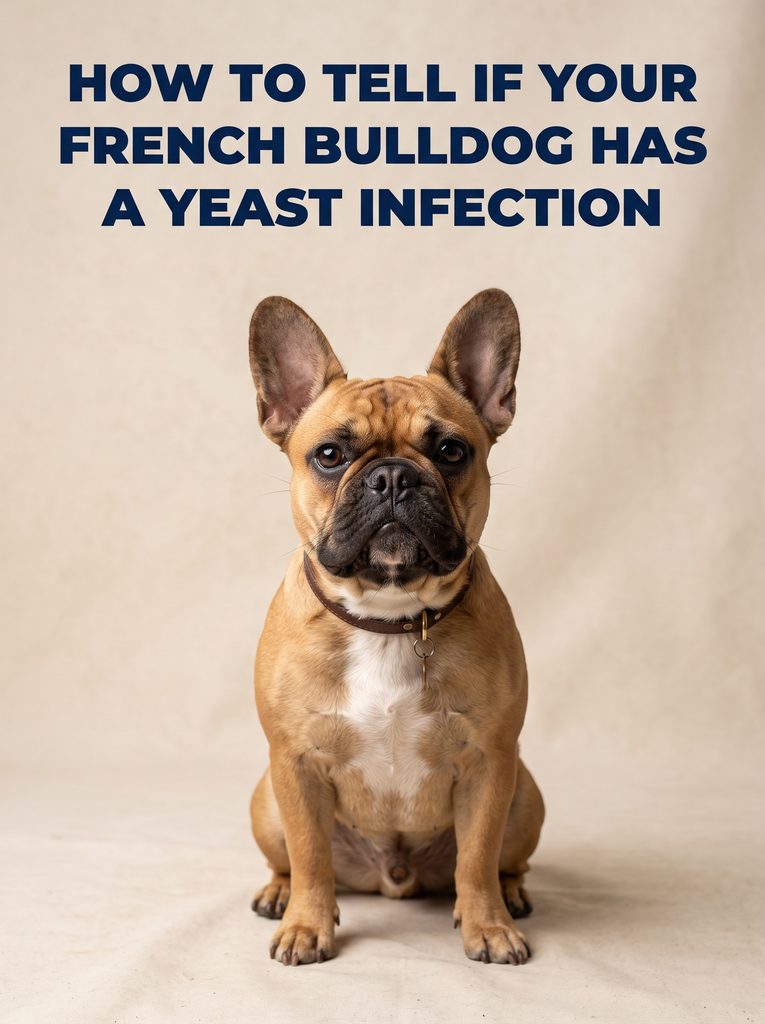
A French Bulldog Yeast Infection can cause several changes. Start by checking your dog’s skin, paws, ears, and wrinkles. Look for red skin, greasy patches, or unusual skin odor. Your dog may scratch often, lick the paws, or chew irritated areas. A musty smell can also point toward yeast overgrowth. Check for brown ear discharge, red ears, or frequent head shaking. Darkened skin and hair loss may appear when the problem lasts longer. However, these signs can resemble allergies or bacterial infections. A French Bulldog Yeast Infection needs proper identification before treatment. If symptoms continue, schedule a veterinary examination promptly.
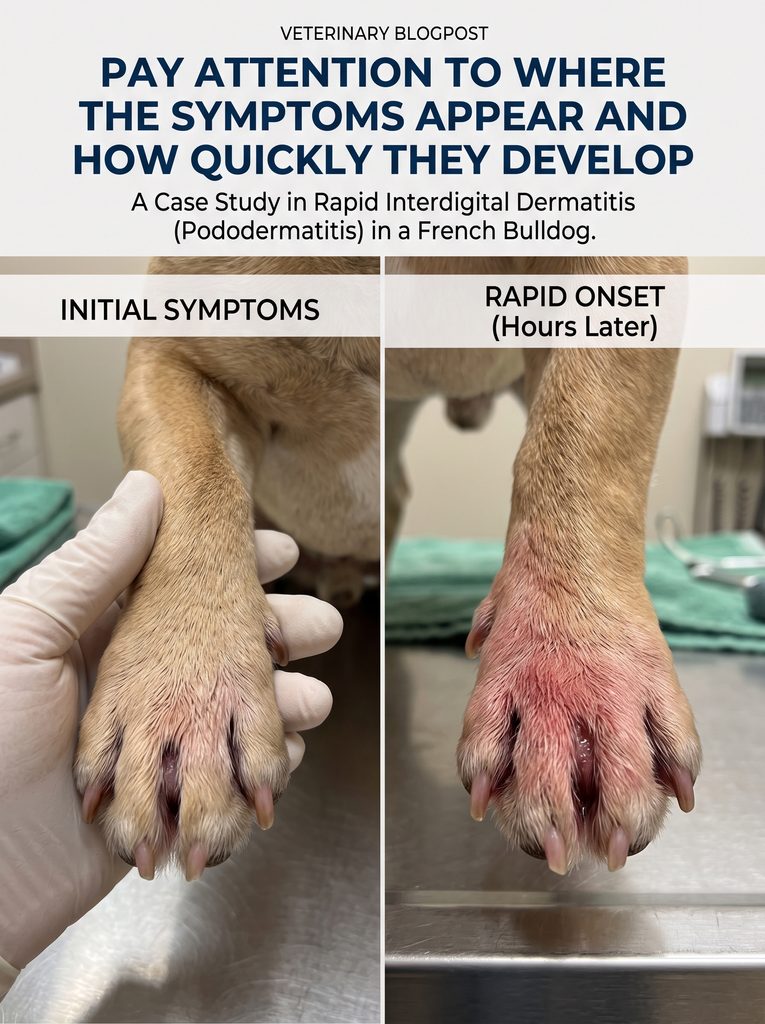
Pay attention to where the symptoms appear and how quickly they develop. A French Bulldog Yeast Infection often affects warm, moist areas. Facial folds, paws, ears, and the tail pocket can become irritated. Your dog might seem restless because itchy skin makes everyday activities uncomfortable. Look for flaky skin, crusty skin, thickened skin, or skin discoloration. Strong odors can also provide an important clue. Still, symptoms alone cannot confirm yeast dermatitis. Allergies, bacteria, and other skin conditions may cause similar problems. If your French Bulldog keeps scratching or licking, a veterinarian can determine whether yeast overgrowth is responsible properly today.
How Veterinarians Diagnose Yeast Infections in French Bulldogs
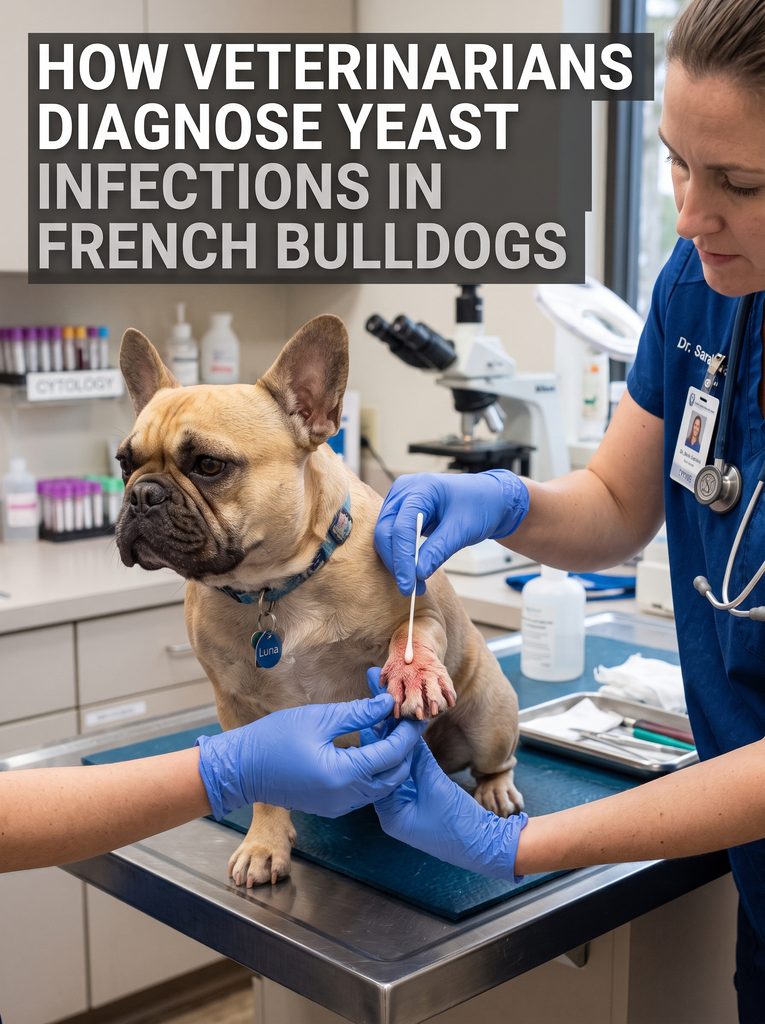
When a French Bulldog Yeast Infection causes persistent symptoms, your veterinarian will examine the affected areas carefully. They may check the skin, paws, ears, facial folds, and tail pocket. During the veterinary examination, they’ll look for redness, moisture, odor, discharge, and skin changes. Your veterinarian may also ask about allergies, recent medications, bathing habits, and previous infections. These details can reveal possible yeast infection causes. Because yeast symptoms can resemble bacterial infections or allergies, a physical examination alone may not provide enough information. Proper testing helps your veterinarian choose the right veterinary treatment for your dog.
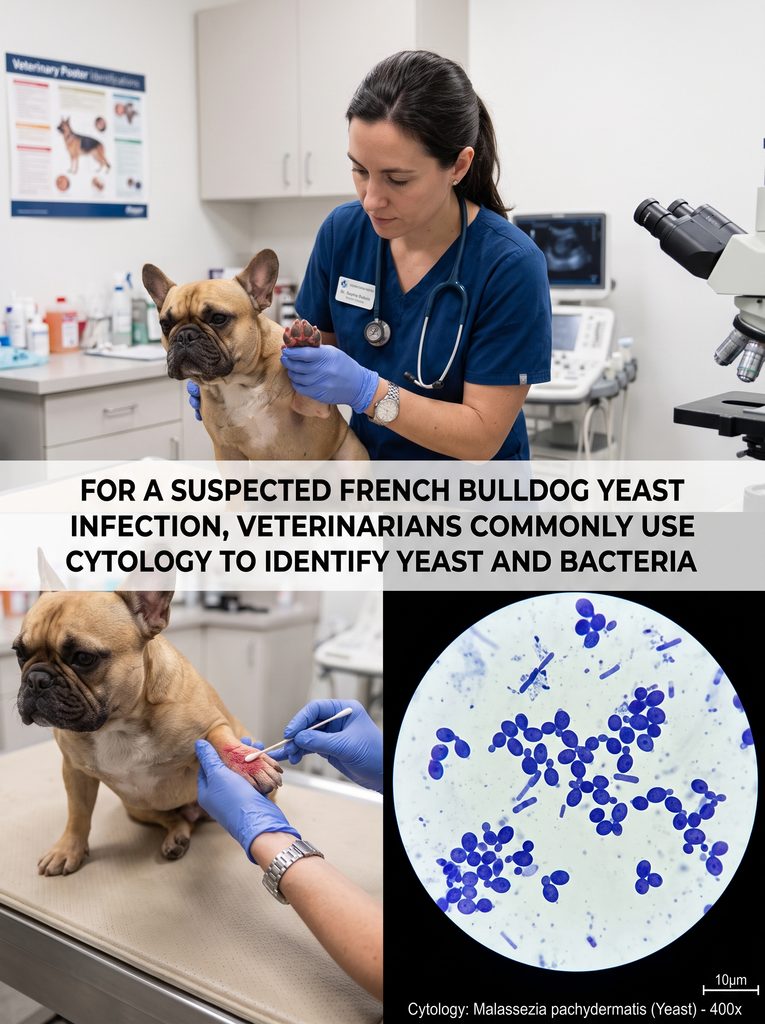
For a suspected French Bulldog Yeast Infection, veterinarians commonly use cytology to identify yeast and bacteria. They may gently collect a sample from the affected skin and examine it under a microscope. A skin scraping can help investigate other possible skin conditions. If your dog has ear problems, an ear swab can reveal yeast or bacteria inside the ear canal. These tests help confirm a fungal diagnosis and determine whether a secondary bacterial infection exists. Once the cause becomes clear, your veterinarian can recommend antifungal treatment. Depending on the infection, treatment may include antifungal medication, topical antifungal products, or a medicated shampoo.
French Bulldog Yeast Infection Treatment Options
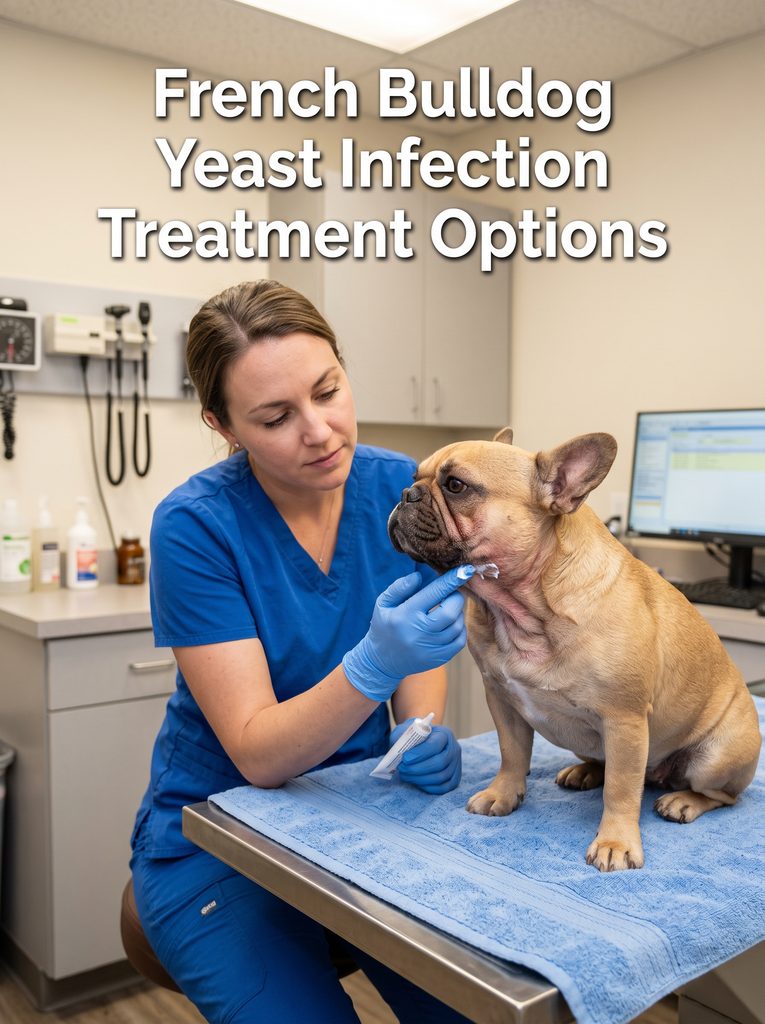
Treating a French Bulldog Yeast Infection depends on where the infection occurs and how severe it becomes. Your veterinarian may recommend antifungal medication to control yeast overgrowth. For skin problems, a topical antifungal can target affected areas directly. Medicated shampoo may also help remove excess yeast from the coat and skin. Antifungal wipes work well for facial folds, paws, and other small areas. If your dog has an ear infection, your veterinarian may recommend an ear cleaner and specific medication. Never use leftover medicine without veterinary advice. Proper treatment can reduce itching, skin irritation, odor, and inflammation while supporting healthier skin.
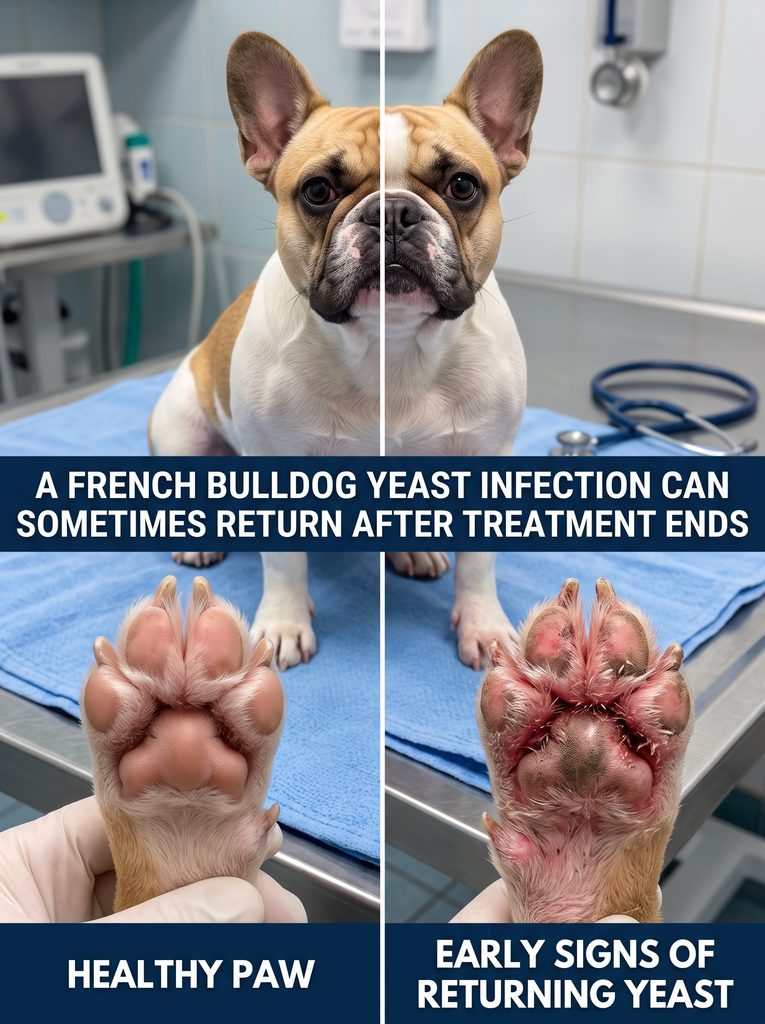
A French Bulldog Yeast Infection can sometimes return after treatment ends. That’s why finding the underlying trigger matters. Allergies, moisture, and damaged skin barriers can encourage recurring yeast infections. Your veterinarian may recommend allergy management alongside antifungal treatment. Follow the treatment schedule carefully, even when your dog seems better. Stopping early can allow yeast overgrowth to return. Severe or chronic yeast dermatitis may require longer veterinary treatment. In some cases, your veterinarian may recommend a veterinary dermatologist for difficult infections. Regular follow-up visits can help track progress and prevent a chronic yeast infection from becoming a repeated problem.
Home Care Tips for a French Bulldog Yeast Infection
Good home care can support treatment for a French Bulldog Yeast Infection. Keep your dog’s skin folds clean and completely dry. Moisture creates a yeast-friendly environment where yeast can multiply quickly. After bathing, gently dry the facial folds, paws, and tail pocket. Antifungal wipes may help when your veterinarian recommends them. Keep bedding clean and dry, especially during humid weather. Check the paws regularly for redness, irritation, or unusual odor. Try to prevent excessive licking and chewing because these habits can worsen skin irritation. However, home care shouldn’t replace proper veterinary treatment when an infection causes persistent symptoms.
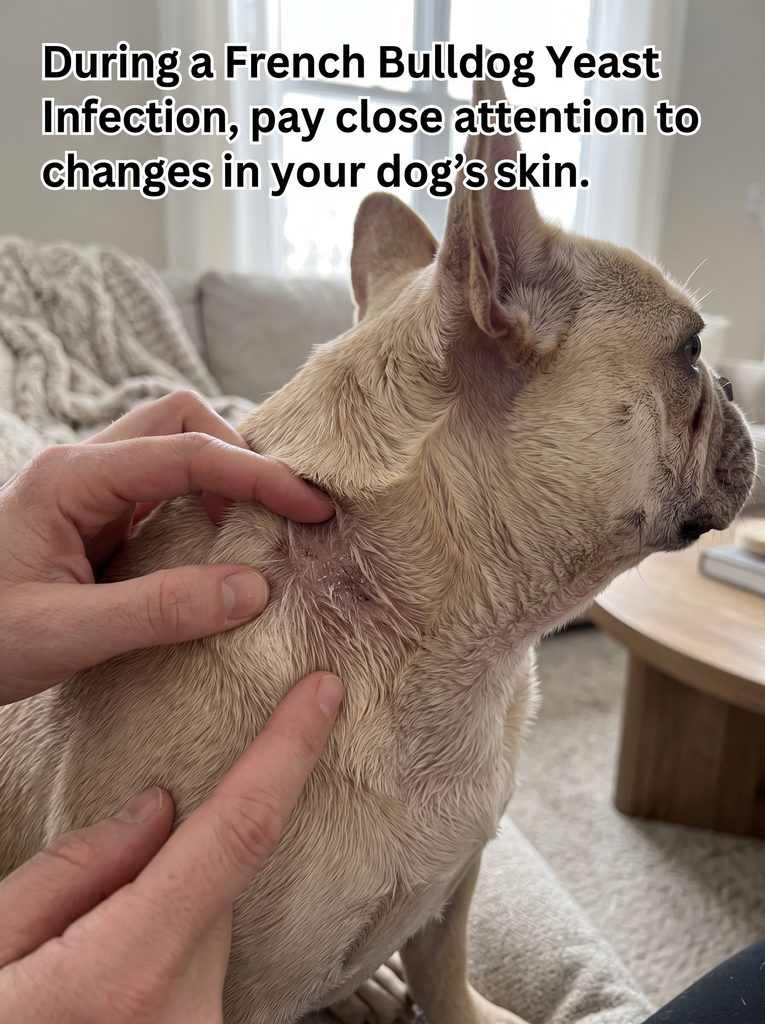
During a French Bulldog Yeast Infection, pay close attention to changes in your dog’s skin. Look for red skin, greasy skin, darkened skin, or new skin odor. Clean your dog’s living area regularly to reduce moisture and poor ventilation. If your French Bulldog has allergies, follow the veterinarian’s management plan carefully. Avoid harsh soaps because they can damage the skin barrier. Don’t apply human antifungal products unless your veterinarian specifically approves them. Most importantly, monitor the infection throughout treatment. If itching, odor, discharge, or redness worsens, contact your veterinarian. Quick action can help prevent recurring yeast infections and secondary bacterial infection.
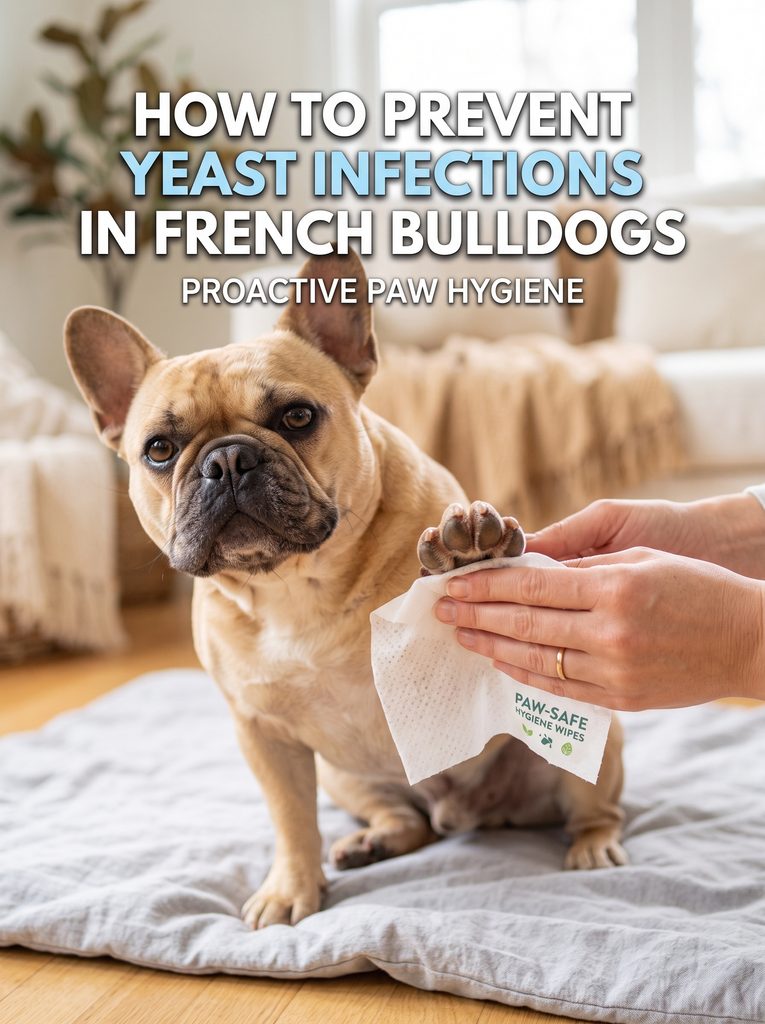
How to Prevent Yeast Infections in French Bulldogs
Preventing a French Bulldog Yeast Infection starts with keeping your dog’s skin clean and dry. Pay special attention to French Bulldog wrinkles, facial folds, paws, and the tail pocket. Moist skin folds can trap warmth and create a yeast-friendly environment. Gently clean these areas and dry them thoroughly after bathing or outdoor activities. Regular grooming also helps remove dirt, excess oil, and debris. If your dog has sensitive skin, avoid harsh products that can weaken the skin barrier. Check for red skin, itchy skin, skin odor, paw licking, or ear scratching. Early attention can help prevent yeast overgrowth.
Diet and allergy control can also reduce the risk of a French Bulldog Yeast Infection. Food allergies, environmental allergies, and flea allergies may cause ongoing skin irritation. Constant scratching can damage the skin barrier and allow Malassezia yeast or bacteria to multiply. Keep your dog’s living area clean, especially during periods of high humidity. Good ventilation helps limit moisture around warm, moist areas. Clean your dog’s ears regularly with a veterinarian-approved ear cleaner. Watch for red ears, head shaking, ear odor, or brown ear discharge. If recurring yeast infections continue despite good care, schedule a veterinary examination to identify underlying causes.
FAQs
What causes a French Bulldog Yeast Infection?
Warm, moist skin folds, allergies, poor ventilation, and a weak skin barrier can encourage Malassezia yeast overgrowth, causing irritation, odor, redness, and persistent itching.
What are the signs of a French Bulldog Yeast Infection?
Common signs include itchy skin, excessive scratching, greasy skin, redness, hair loss, flaky skin, darkened skin, musty odor, paw licking, and repeated ear problems.
How do you treat a French Bulldog Yeast Infection?
Treatment usually includes antifungal medication, medicated shampoo, antifungal wipes, or ear cleaner. Your veterinarian may recommend additional care after identifying the underlying cause.
Can allergies cause a French Bulldog Yeast Infection?
Yes, food allergies and environmental allergies can trigger skin irritation and inflammation. Damaged skin may then allow yeast overgrowth, creating recurring infections and discomfort.
How can you prevent a French Bulldog Yeast Infection?
Keep wrinkles, paws, ears, and the tail pocket clean and dry. Manage allergies, reduce moisture, maintain grooming, and seek veterinary care for recurring problems.
Conclusion
A French Bulldog Yeast Infection can cause itching, redness, odor, and skin irritation. Quick action can make your dog much more comfortable. Watch for greasy skin, paw licking, red paws, ear scratching, head shaking, or a musty smell. These signs may point to yeast overgrowth, especially in warm, moist skin folds. Keeping French Bulldog wrinkles clean and dry can help prevent a French Bulldog Yeast Infection. Regular grooming also supports healthy skin and reduces moisture buildup.
If your French Bulldog develops a French Bulldog Yeast Infection, contact your veterinarian for proper care. A veterinary examination can confirm the problem through cytology, skin scraping, or an ear swab. Treatment may include antifungal medication, medicated shampoo, or antifungal wipes. For recurring French Bulldog Yeast Infection cases, your veterinarian should check for allergies or other underlying causes. Good daily care can help prevent future infections and protect your dog’s skin.