The French Bulldog has rapidly risen to become one of the most popular dog breeds in recent years, largely due to its small, apartment-friendly size, affectionate personality, and unmistakable “bat ear” appearance. Many people are drawn to them because they seem easy to manage, do not require much space, and are often described as loving companion dogs that form strong bonds with their owners.
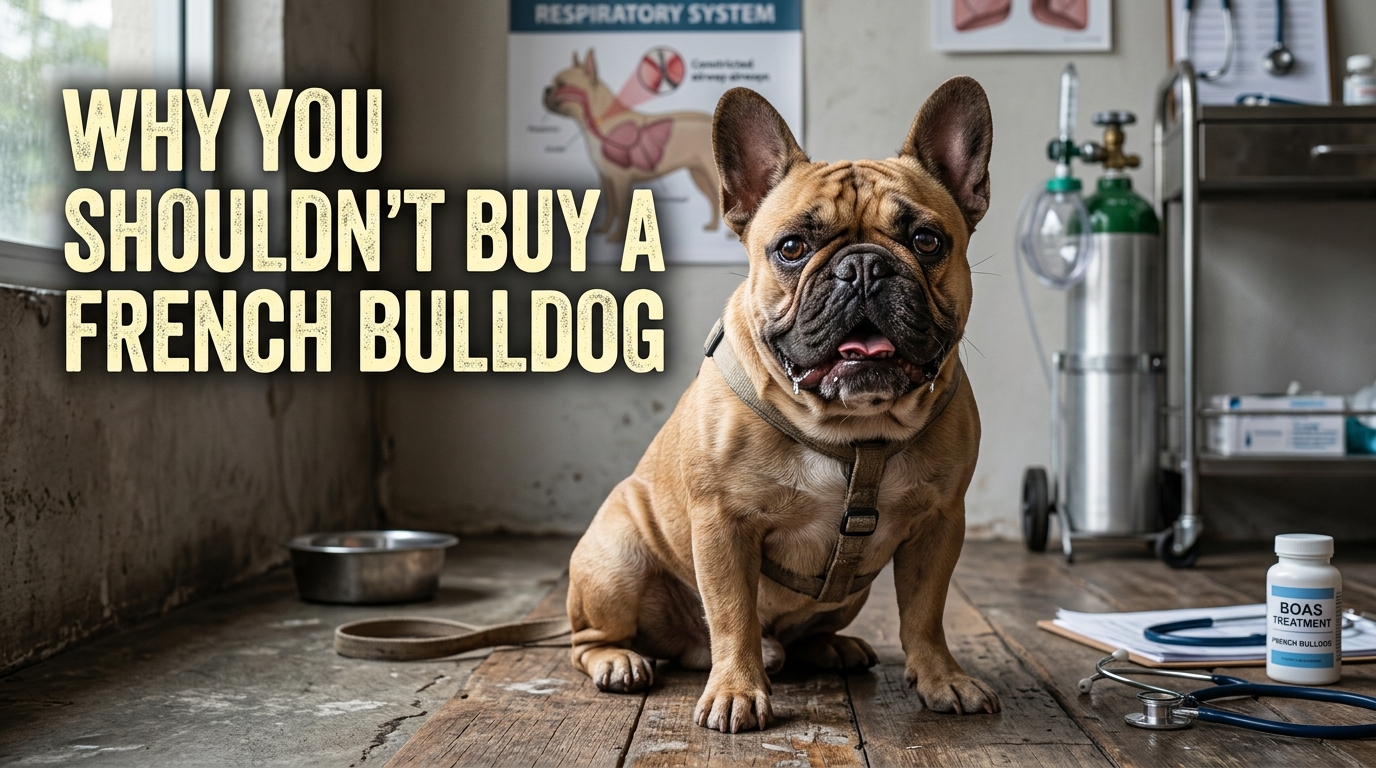
However, what is often overlooked is that much of this appeal comes with significant underlying concerns that potential owners should seriously evaluate. French Bulldogs are a brachycephalic (flat-faced) breed, which means they have been selectively bred to have shortened skulls. While this gives them their distinctive look, it also leads to chronic breathing problems, including difficulty regulating temperature, snoring, and in some cases life-threatening airway obstruction. They are also highly prone to a wide range of health issues such as hip dysplasia, spinal disorders, skin allergies, and eye conditions. As a result, many French Bulldogs require frequent veterinary care throughout their lives, which can be emotionally and financially demanding.
Beyond health concerns, there are also important financial and ethical considerations. Due to their physical structure, many French Bulldogs cannot give birth naturally and often require expensive C-sections. This contributes to high breeding costs, which are reflected in their purchase price and ongoing medical expenses. Additionally, the demand for the breed has led to irresponsible breeding practices in some cases, prioritizing appearance over health. This raises ethical questions about supporting breeding systems that may perpetuate suffering. For many prospective owners, understanding these challenges is essential before deciding whether a French Bulldog is truly the right long-term commitment.
1. Significant breathing difficulties
One of the most serious and well-documented problems in French Bulldogs is their compromised breathing. Because they are a brachycephalic breed (meaning they have been selectively bred to have short, flat faces), their skull structure is naturally compressed. While this gives them their signature appearance, it also results in narrowed nostrils, a shortened airway, and an underdeveloped respiratory system. Collectively, this condition is often referred to as brachycephalic obstructive airway syndrome (BOAS).
As a result, many French Bulldogs struggle with airflow even during normal daily activities. What might look like mild exertion—such as a short walk, climbing stairs, or playing briefly—can quickly cause noticeable fatigue or distress. Common symptoms include loud snoring, heavy or labored breathing, wheezing, gagging, and in some cases episodes where the dog appears to struggle for air. These issues are not just occasional inconveniences; for many dogs, they are ongoing and lifelong challenges.
Heat and humidity make the situation even worse. French Bulldogs are particularly vulnerable to overheating because they cannot regulate their body temperature efficiently through panting. In warm climates or during summer months, even moderate activity outdoors can become dangerous and potentially lead to heatstroke, which can be fatal if not treated immediately. This means owners must constantly monitor temperature conditions, limit exercise, and often rely on air-conditioned environments to keep the dog safe.
Because of these limitations, French Bulldogs require careful and continuous management of their surroundings and activity levels. Owners need to be highly aware of environmental conditions and avoid situations that could put unnecessary strain on the dog’s already restricted breathing system.
2. High lifetime medical costs
Another major factor that potential owners often underestimate is the long-term cost of caring for a French Bulldog. While the initial purchase price is already high compared to many other breeds, the real financial commitment typically becomes more apparent over the dog’s lifetime.
French Bulldogs are genetically predisposed to a wide range of chronic health conditions, which means routine veterinary care is often just the beginning. Many develop ongoing issues such as skin allergies that require continuous treatment, dietary management, or medicated shampoos. Ear infections are also common due to their narrow ear canals and skin folds, often requiring repeated vet visits and medication. In addition, spinal problems like intervertebral disc disease (IVDD) can occur, sometimes leading to mobility issues or the need for advanced treatment.
Respiratory-related complications may also require specialized care or even corrective surgery in more severe cases, which can be extremely costly. Because these conditions are often recurring rather than one-time issues, owners may find themselves dealing with veterinary expenses on a regular basis rather than occasionally.
When all of these factors are considered together—ongoing medications, specialist consultations, emergency visits, and potential surgeries—the lifetime cost of owning a French Bulldog can far exceed initial expectations. This makes them one of the more financially demanding companion breeds, requiring not just emotional commitment but sustained financial preparedness as well.
3. Ethical concerns in breeding practices
There are also significant ethical concerns surrounding the way French Bulldogs are bred. Because the breed has become extremely popular, demand has increased dramatically, and this has in many cases encouraged selective breeding practices that prioritize appearance over overall health and functionality. Traits such as an extremely flat face, compact body, and exaggerated features have been intensified over time, even though they are closely linked to serious medical problems.
This type of selective breeding has contributed to ongoing ethical debates about brachycephalic dogs in general. While these physical traits are often seen as “cute” or desirable, they are directly associated with long-term health and welfare issues, including breathing difficulties, overheating risks, and reduced quality of life in many individuals. Critics argue that continuing to breed for these exaggerated features can perpetuate preventable suffering across generations.
Another concern is the rise of irresponsible or high-volume breeding driven by profit rather than welfare. In some cases, this can lead to poor genetic diversity, inadequate health screening, and increased likelihood of inherited disorders being passed down. This makes it difficult for prospective owners to always know whether a puppy has been bred responsibly.
For this reason, potential owners are encouraged to carefully consider the ethical implications of supporting the demand for French Bulldogs. Understanding where the dog comes from and how it was bred is an important part of responsible decision-making, especially when breed-related health challenges are already so well established.
4. Low heat and exercise tolerance
French Bulldogs have a naturally limited ability to tolerate heat and sustained physical activity due to their brachycephalic (flat-faced) anatomy. Their shortened nasal passages and restricted airways make it significantly harder for them to breathe efficiently, especially when they are panting to cool down. Unlike many other dog breeds that can regulate body temperature more effectively through breathing, French Bulldogs rely on a system that is already compromised by their physical structure.
As a result, even moderate exercise—such as a short walk, light playtime, or climbing stairs—can quickly lead to fatigue and labored breathing. In warmer temperatures or humid conditions, this risk becomes even more pronounced. Their bodies struggle to release heat efficiently, which increases the likelihood of overheating. In severe cases, this can escalate into heat stress or heatstroke, both of which can become life-threatening very quickly if not addressed.
Because of these limitations, French Bulldogs are not well suited for active outdoor lifestyles, long walks, or strenuous physical routines. Their daily activity must often be carefully limited, scheduled during cooler parts of the day, and closely monitored to avoid overexertion. This can restrict spontaneous outdoor activities such as hikes, beach trips, or extended travel in warm climates.
For owners, this means constant environmental awareness is required. Temperature, humidity, and duration of activity all need to be considered before any exercise. In practice, caring for a French Bulldog often involves prioritizing safety over activity, ensuring that their physical limitations are never pushed beyond what their breathing and cooling systems can safely handle.
5. Emotional and behavioral needs
Although French Bulldogs are often described as low-maintenance, apartment-friendly pets, this reputation can be misleading. In reality, they are highly people-oriented companion dogs that rely heavily on constant human interaction and emotional closeness. Unlike more independent breeds that are comfortable spending time alone, French Bulldogs are genetically and behaviorally inclined to seek near-constant companionship, often forming very strong attachments to their owners and preferring to stay in close physical proximity throughout the day.
Because of this deep attachment, they are especially vulnerable to separation anxiety when left alone for long periods. This condition is not just simple boredom—it is a genuine stress response triggered by isolation from their primary caregiver. Without proper gradual training and conditioning, even moderate periods of solitude can cause significant distress. This may present through behaviors such as excessive barking or whining, destructive chewing of furniture or household items, pacing, restlessness, or repeated attempts to follow or escape from confinement. In more severe cases, dogs may refuse food, become withdrawn, or show signs of panic when they anticipate being left alone.
What makes this particularly challenging is that these behaviors are not always resolved by providing toys or physical comfort items alone. French Bulldogs typically require consistent human presence and interaction to feel secure. They thrive on attention, reassurance, and social engagement rather than solitary entertainment. As a result, environments where the dog is frequently left alone—such as long work schedules, frequent travel, or highly unpredictable routines—can be especially difficult for them to adapt to.
Over time, a lack of adequate companionship can also contribute to ongoing stress and behavioral issues, which can affect both the dog’s emotional well-being and the household environment. For this reason, French Bulldogs are generally better suited to homes where someone is regularly present and able to meet their need for companionship. Their emotional dependency is an important consideration for anyone with a busy, independent, or frequently away-from-home lifestyle, as it requires a level of time and attention that is often underestimated.
Final thoughts
Understanding the reasons why someone might reconsider buying a French Bulldog is not about discouraging dog ownership altogether, but about promoting more informed, realistic, and responsible decision-making. This breed can be affectionate, loyal, and deeply rewarding to live with, but those positives need to be weighed carefully against the significant long-term responsibilities and challenges that come with them.
For anyone asking whether they should buy a French Bulldog puppy, the most important consideration is whether they are genuinely prepared for the full scope of ownership—not just the early stages when the dog is young and healthy, but the entire lifespan of the animal. This includes the likelihood of ongoing veterinary care due to breed-related health conditions, potential emergency medical situations, and the possibility of chronic issues that require continuous management over many years. It also involves understanding that these needs are not occasional, but often persistent and recurring.
In addition to medical responsibilities, prospective owners must also realistically assess the financial commitment involved. Between regular vet visits, medications, possible surgeries, specialized diets, and preventive care, the lifetime cost of a French Bulldog can be substantially higher than many expect at the time of purchase. This financial aspect is often underestimated, but it plays a major role in ensuring the dog receives proper care without unnecessary stress on the household.
Equally important are the lifestyle adjustments required. French Bulldogs need constant companionship, careful temperature management, and limited physical exertion due to their breathing and heat sensitivity. This means owners must be willing to adapt their daily routines, travel plans, and activity levels around the dog’s needs rather than expecting the dog to adapt to a more demanding lifestyle.
For these reasons, many people ultimately find that other breeds with fewer hereditary health issues, better exercise tolerance, and greater independence may be a more practical and sustainable choice. The goal is not to discourage interest in French Bulldogs, but to ensure that anyone considering them does so with a full understanding of the responsibilities involved—so that both the owner and the dog can have the best possible quality of life.