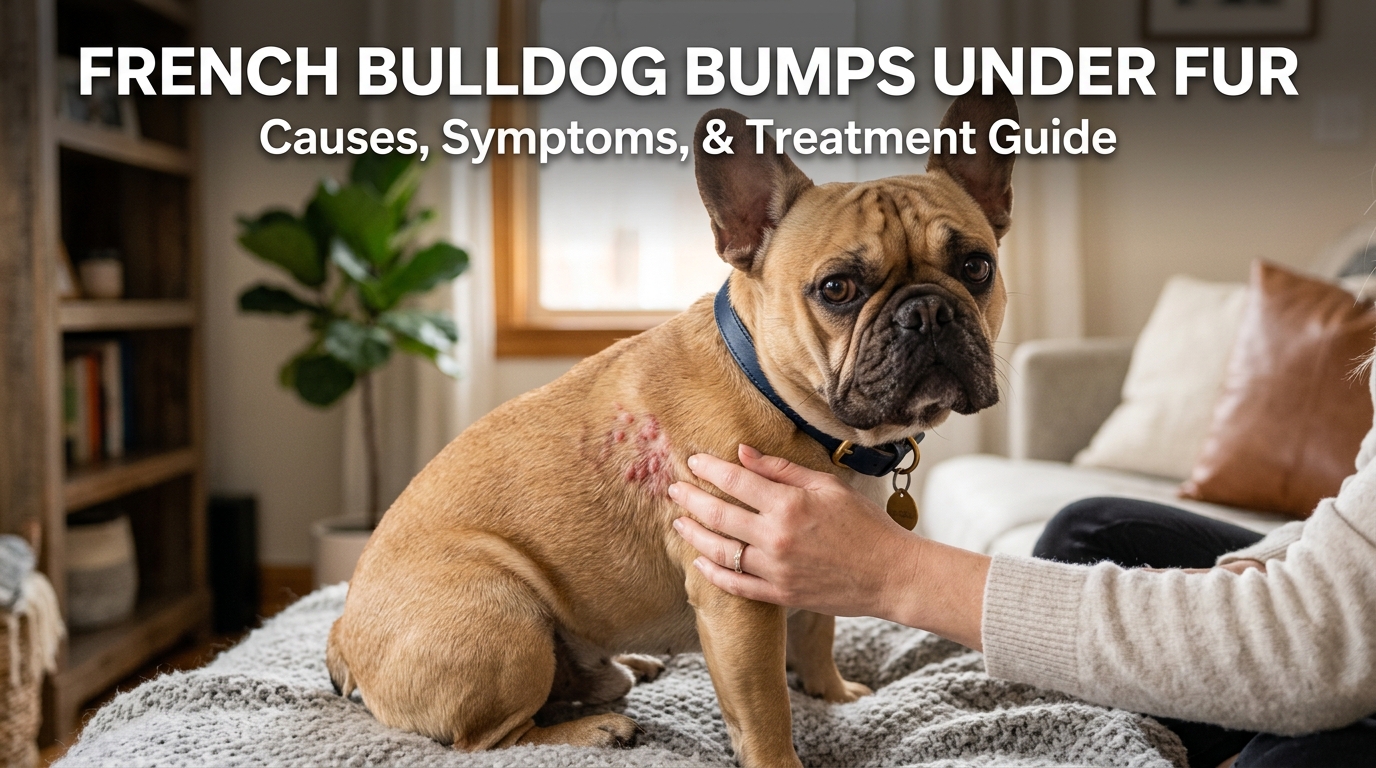
Small bumps under the coat of a French Bulldog can catch an owner’s attention quickly, especially when they appear out of nowhere or seem to spread over time. These tiny raised areas—often described as “French Bulldog bumps under fur”—can range from barely noticeable skin texture changes to more visible lumps that you can feel while petting your dog. While many of these bumps turn out to be harmless, others may point to underlying skin conditions that deserve closer attention.
What makes this even more important is the fact that French Bulldog are naturally more prone to skin sensitivity than many other breeds. Their compact bodies, short coats, and facial folds create an environment where the skin is more exposed to irritation, moisture buildup, and allergies. Because of this, even minor changes in their skin can sometimes signal something more meaningful than a simple temporary irritation.
These bumps can appear for a variety of reasons. In some cases, they develop due to allergies—whether from food, environmental triggers like pollen or dust, or even certain grooming products. In other situations, they may be the result of insect bites, clogged hair follicles, or mild infections that occur when bacteria or yeast find their way into irritated skin. French Bulldogs are also known to develop heat-related skin issues, especially in warmer climates, where sweat and humidity can worsen inflammation under their coat.
What can make these bumps tricky is that they don’t always look alarming at first. A dog might behave completely normally—playing, eating, and sleeping as usual—while small changes are happening beneath the fur. Some bumps remain soft and painless, while others may become red, itchy, or slightly swollen over time. If a dog starts scratching more than usual, licking a specific area repeatedly, or showing signs of discomfort when touched, it can be a clue that the skin issue is progressing.
The important thing for pet owners is not to panic, but to observe patterns. Are the bumps increasing in number? Are they localized to one area or spreading across the body? Do they change with diet, weather, or grooming routines? These details can help identify whether the cause is something minor and temporary or something that may require veterinary care.
In many cases, early attention can make a big difference. Simple adjustments—like switching grooming products, improving coat hygiene, or addressing allergies—can help the skin recover quickly. However, persistent or worsening bumps should always be checked by a veterinarian to rule out infections or more serious dermatological conditions.
Ultimately, those small bumps under a French Bulldog’s coat are not just a cosmetic concern. They are subtle signals from the skin that something may be out of balance. Learning to notice and understand them helps ensure your dog stays comfortable, healthy, and happy in the long run.
Understanding Skin Bumps in French Bulldogs
French Bulldog are known for their charming looks, affectionate nature, and compact build—but they are also one of the breeds most prone to skin sensitivity. Their short coat offers little protection against environmental irritants, and their signature skin folds can trap moisture, heat, and debris. This combination makes them more vulnerable to a range of skin issues, including irritation, redness, rashes, and small raised bumps under the fur.
For many owners, the first sign of a problem is subtle. It may start with mild scratching, occasional licking, or the discovery of tiny bumps while petting their dog. These early signs often raise concerns about “French Bulldog skin bumps itchy treatment,” but it’s important to note that not all skin bumps are accompanied by itching. Some remain completely painless and only become noticeable when they start to spread or change in texture. That’s why careful, regular observation of your dog’s skin is essential rather than reacting only when discomfort becomes obvious.
Allergies as a Major Cause of Skin Bumps
One of the most common reasons behind French Bulldog bumps under fur is allergies. These reactions can be triggered by several everyday factors that dogs frequently encounter. Food ingredients such as certain proteins, grains, or additives may cause internal sensitivities, while environmental allergens like pollen, dust mites, mold, or grass can lead to seasonal flare-ups. Even grooming products—shampoos, sprays, or cleaning agents—can sometimes irritate a sensitive dog’s skin.
When allergies affect a French Bulldog, the immune system responds with inflammation. This reaction often shows up on the skin as small red bumps, patchy irritation, or widespread discomfort commonly described as “dog skin allergies symptoms and treatment” cases. In milder situations, these bumps may appear and disappear sporadically, creating small “on and off” flare-ups. In more persistent cases, the irritation can linger, leading to ongoing scratching, redness, and visible skin changes.
Although allergies are rarely dangerous in a life-threatening sense, they can significantly impact a dog’s daily comfort and behavior. Constant itching or irritation can lead to secondary issues such as hair loss or skin infections if left unmanaged. This is why identifying the underlying trigger—whether food-related or environmental—and eliminating or controlling it is often the most effective long-term approach. With proper care and attention, many dogs experience significant relief and a much healthier, more comfortable coat over time.
Bacterial Skin Infections and Folliculitis
French Bulldog are particularly prone to bacterial skin issues because their short coat and sensitive skin folds create an environment where moisture and heat can easily become trapped. One of the most common conditions seen in this breed is folliculitis, a type of dog skin infection that involves inflammation of the hair follicles.
Folliculitis often appears as small, pimple-like bumps scattered under the fur. These bumps can sometimes be mistaken for dog acne, especially in the early stages when they are still mild and not overly inflamed. However, unlike simple skin irritation, folliculitis is usually caused by bacteria entering the skin through tiny breaks, scratches, or areas already weakened by other conditions like allergies or excessive licking.
This means that what starts as a minor issue—such as itching due to allergies or slight skin irritation—can gradually turn into a bacterial infection if the skin barrier is compromised. Moist environments, poor air circulation in skin folds, or inadequate grooming can further encourage bacterial growth. As the condition progresses, the affected skin may become red, bumpy, and inflamed. In more noticeable cases, there may also be mild discharge, crusting, or an unpleasant odor coming from the infected area.
The key concern with folliculitis is that it can worsen over time if it is ignored. A few small bumps can develop into larger patches of irritation or even deeper skin infections, making early detection and treatment very important. Monitoring persistent or recurring dog skin bumps is essential to prevent the condition from escalating into something more uncomfortable for the dog.
Fleas, Parasites, and Hidden Irritation
Another common—but sometimes underestimated—cause of skin irritation is parasites, especially fleas. Even when fleas are not immediately visible, they can still be present in very small numbers and cause significant discomfort. Many pet owners are surprised when they notice their dog has bumps under the fur but cannot find fleas, often assuming it must be something else entirely.
In reality, flea infestations can be subtle, especially in the early stages or after partial treatment. The bites themselves typically appear as small, clustered bumps that are intensely itchy. Dogs may scratch, bite, or lick the affected areas repeatedly, sometimes leading to hair thinning or raw skin patches.
In sensitive breeds like French Bulldog, even a few flea bites can trigger a much stronger reaction known as flea allergy dermatitis. This condition occurs when the dog’s immune system overreacts to flea saliva, turning a minor bite into widespread irritation. As a result, the skin may become increasingly inflamed, and the discomfort can extend far beyond the original bite locations.
Because flea-related irritation can escalate quickly, it is important not to dismiss small bumps or occasional scratching. Early identification and consistent parasite prevention are key to keeping the skin healthy and preventing recurring flare-ups.
Heat Rash and Environmental Irritation
Environmental conditions can have a surprisingly strong impact on the skin health of French Bulldog. Hot weather, high humidity, and lack of proper airflow can all contribute to skin irritation, especially after exercise, walks, or bathing sessions. Because this breed has a short coat and limited ability to regulate body temperature efficiently, their skin is more exposed to heat-related stress.
One common result of these conditions is heat rash. It typically appears as small, soft bumps under the fur that may come and go quickly. Unlike infections or allergies, heat rash is often temporary and tends to improve once the dog cools down or is moved into a more comfortable environment. However, repeated exposure to heat or moisture can make the skin more reactive over time, leading to recurring irritation or mild inflammation.
While these cases are generally considered part of everyday bulldog skin issues, they should not be ignored if they become frequent. Simple changes—such as improving ventilation, avoiding midday walks, and ensuring the coat is fully dry after bathing—can make a significant difference in preventing flare-ups.
Mites, Mange, and More Serious Conditions
In some situations, persistent or worsening bumps may be linked to mites, which are microscopic parasites that live on or under the skin. These can lead to a condition known as mange, which is more severe than typical irritation or allergies. Unlike mild skin issues, mange tends to progress if left untreated and can significantly affect a dog’s overall comfort and coat health.
When mites are involved, symptoms often extend beyond small bumps. Dogs may experience intense itching, visible hair loss, and areas of thickened or roughened skin as the condition develops. In more advanced cases, the skin may appear inflamed or patchy, and the discomfort can become constant rather than occasional.
For owners wondering “why does my French Bulldog have small bumps on skin,” mites are an important possibility to consider—especially when symptoms are spreading, worsening, or not responding to basic treatments. Because mange can progress quickly and may require prescription medication, a veterinary diagnosis is essential to confirm the condition and begin appropriate treatment.
Cysts and Benign Skin Lumps
Not all skin bumps are linked to infections, parasites, or allergies. Some may simply be sebaceous cysts, which are non-cancerous, slow-developing lumps that form under the skin. These cysts are usually firm, round, and painless unless they become irritated or infected.
In many cases, cysts remain stable for long periods without causing any issues. However, even though they are typically harmless, they should still be monitored carefully. Any noticeable changes in size, shape, color, or texture can indicate inflammation or secondary infection, which may require veterinary evaluation.
For French Bulldog owners, the key takeaway is that not every bump signals something serious—but every bump deserves attention. Careful observation helps distinguish between temporary, mild conditions and those that may need medical care, ensuring the dog stays healthy and comfortable over time.
When to Be Concerned
Most cases involving French Bulldog skin bumps and mild irritation are manageable and often improve with proper care. However, there are certain situations where these bumps should no longer be considered a minor issue and may require veterinary attention.
If the bumps begin spreading rapidly, become swollen or painful, or are accompanied by signs such as pus, discharge, foul odor, or visible hair loss, it could indicate a more serious dog skin infection rather than simple irritation or allergies. These symptoms may suggest bacterial involvement, deeper inflammation, or another underlying condition that requires treatment.
It is also important to pay attention to changes in your dog’s behavior. Skin problems do not only affect appearance—they can affect comfort and overall wellbeing as well. Warning signs such as unusual tiredness, reduced appetite, irritability, excessive licking, or constant scratching that interferes with sleep and normal activity should not be ignored.
For example, a French Bulldog that suddenly avoids being touched, scratches obsessively, or repeatedly bites the same area may be experiencing significant discomfort even if the skin changes appear minor. Sometimes the skin issue visible on the surface is only part of a larger problem occurring underneath.
Early veterinary evaluation is especially valuable because many skin conditions look similar at first glance. Allergies, infections, parasites, and even cysts can all begin as small bumps under the fur. A professional diagnosis helps identify the exact cause and ensures the dog receives the most effective treatment before the issue progresses.
Care and Prevention
Managing dog skin bumps in French Bulldog often comes down to a balance of observation, consistency, and preventive care. Because this breed naturally has sensitive skin, maintaining a healthy skin routine can greatly reduce the chances of recurring irritation.
One of the most important steps is keeping the skin clean and dry. Moisture trapped within skin folds or left behind after bathing can create an ideal environment for irritation and bacterial growth. Ensuring the coat and folds are properly dried helps prevent many common skin issues.
Owners should also pay close attention to possible allergens. Monitoring reactions after introducing new foods, treats, shampoos, detergents, or environmental changes can help identify triggers responsible for repeated flare-ups. Using gentle, veterinarian-approved grooming products is often a safer option for dogs with sensitive skin.
Regular flea prevention remains essential as well—even when fleas are not visible. A dog can react strongly to only a few bites, and preventing parasites is often easier than treating the skin problems they create.
Diet also plays a larger role than many owners realize. A balanced diet that supports skin health may help strengthen the skin barrier and reduce inflammation over time. Likewise, observing seasonal patterns—such as flare-ups during humid weather or pollen seasons—can provide valuable clues about environmental triggers.
The encouraging news is that many mild skin issues improve significantly with small adjustments in daily care. Better hygiene, allergen management, parasite prevention, and routine monitoring often make a noticeable difference. By staying attentive to early signs, owners can help prevent minor bumps from turning into long-term skin problems and keep their French Bulldog comfortable and healthy.
Final Thoughts
Skin bumps in French Bulldog are a relatively common concern and, in many cases, are linked to issues such as allergies, bacterial infections, parasites, heat-related irritation, or other environmental factors. Because this breed naturally has sensitive skin, even minor triggers can sometimes lead to noticeable changes beneath the coat.
The good news is that many cases of French Bulldog bumps under fur are harmless and manageable with proper care. Small adjustments in grooming habits, diet, parasite prevention, and environmental management can often improve mild skin problems and help prevent them from returning.
However, it is equally important not to overlook persistent symptoms. Bumps that continue to spread, become inflamed, cause discomfort, or appear alongside signs such as hair loss, odor, discharge, or excessive scratching may indicate an underlying condition that requires attention. What initially looks like a simple irritation can occasionally develop into a more significant skin issue if left untreated.
As a pet owner, one of the most valuable habits is regular observation. Running your hands through your dog’s coat, checking for changes in texture, monitoring scratching behavior, and noting any recurring patterns can help identify problems early before they become more serious.
Ultimately, healthy skin is an important part of your dog’s overall wellbeing. Early identification, consistent preventive care, and seeking veterinary advice when needed remain the best ways to keep your French Bulldog comfortable, healthy, and happy for years to come.